
Hot Products
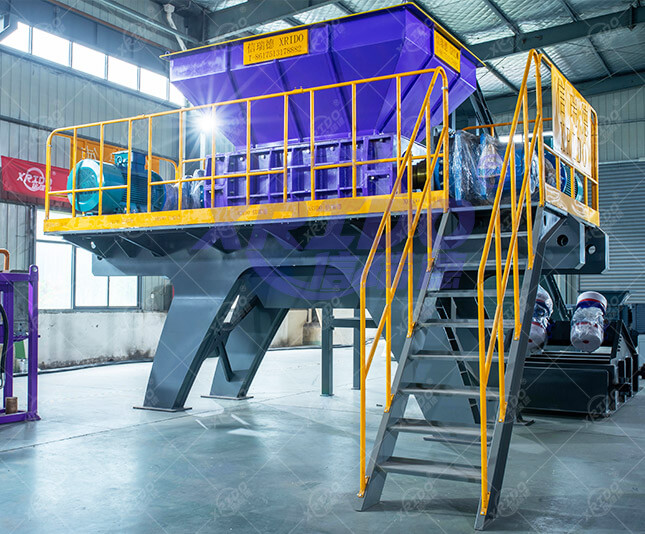
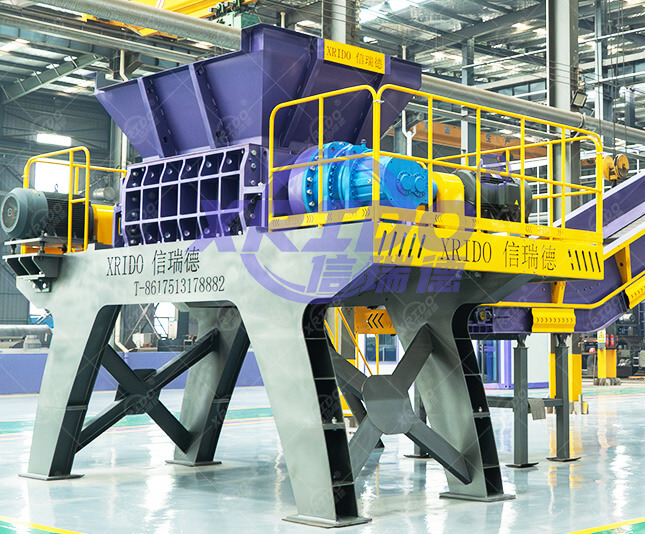
Oil-Filled Iron Drum Shredder and Cleaning System
In the wave of the circular economy, the recycling value of waste metal packaging containers is becoming increasingly prominent. However, waste oil drums and paint drums are extremely difficult to recycle directly due to the complex residues. To achieve efficient recycling of scrap steel and aluminum from waste drums and meet national hazardous waste treatment standards, selecting a high-performance oil-iron drum shredder and a matching cleaning system is crucial. This article will provide an in-depth analysis of the key technical points of hazardous waste shredding and cleaning lines to help you avoid pitfalls in your selection.
First, we need to clarify the difference between paint drum shredders and oil-iron drum shredders. Although both are solid waste treatment equipment, their application scenarios differ slightly. Paint drum shredders are mainly for empty drums or drums with a small amount of residual paint, focusing on “volume reduction”; while oil-iron drum shredders must have stronger power and a more robust sealing structure to handle high-viscosity liquids such as residual waste engine oil and cutting fluid inside the drums. Using them interchangeably can easily lead to equipment jamming or serious environmental pollution.
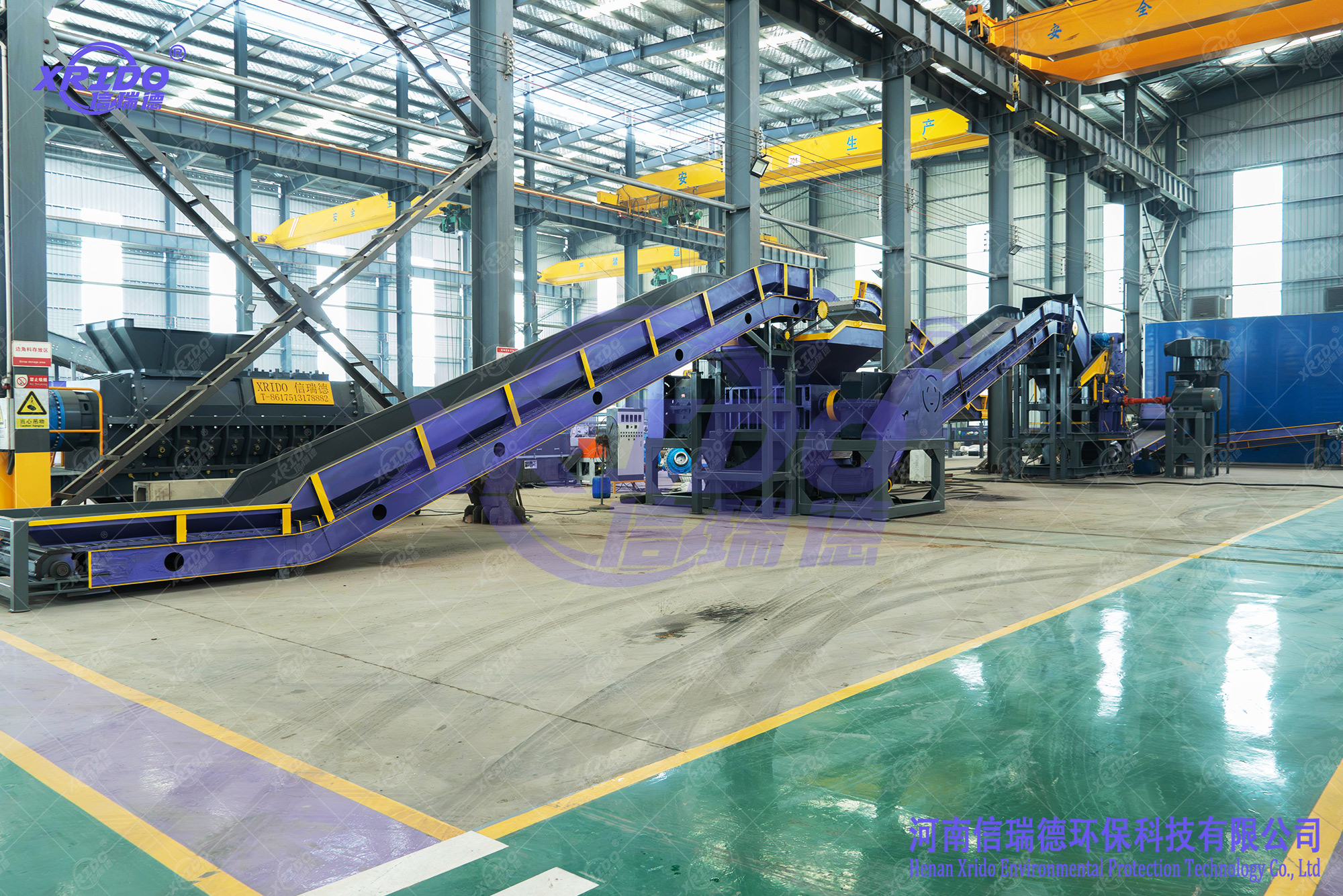
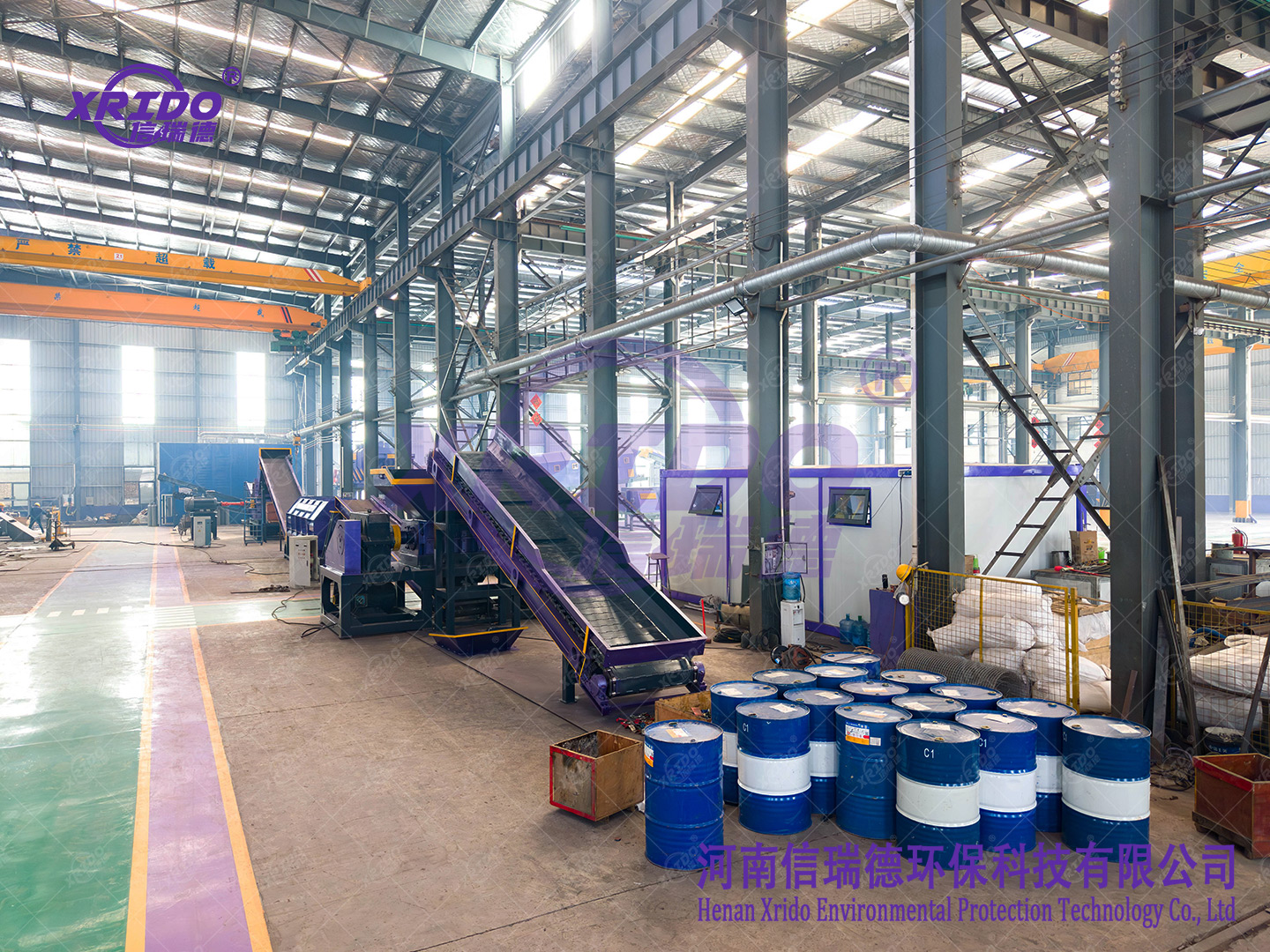
A standard hazardous waste shredding and washing line typically consists of a feed conveyor, magnetic separator, core crusher, screw conveyor, friction cleaning tank, and wastewater treatment and recycling system. Among these, the blade material of the core crusher is crucial in determining the equipment’s lifespan. High-quality Xrido Machine equipment typically uses high-chromium-molybdenum-vanadium alloy steel, achieving a hardness of HRC60 or higher after heat treatment. This allows for easy cutting of rolled edges and lids from oil drums, ensuring uniform particle size at the output.
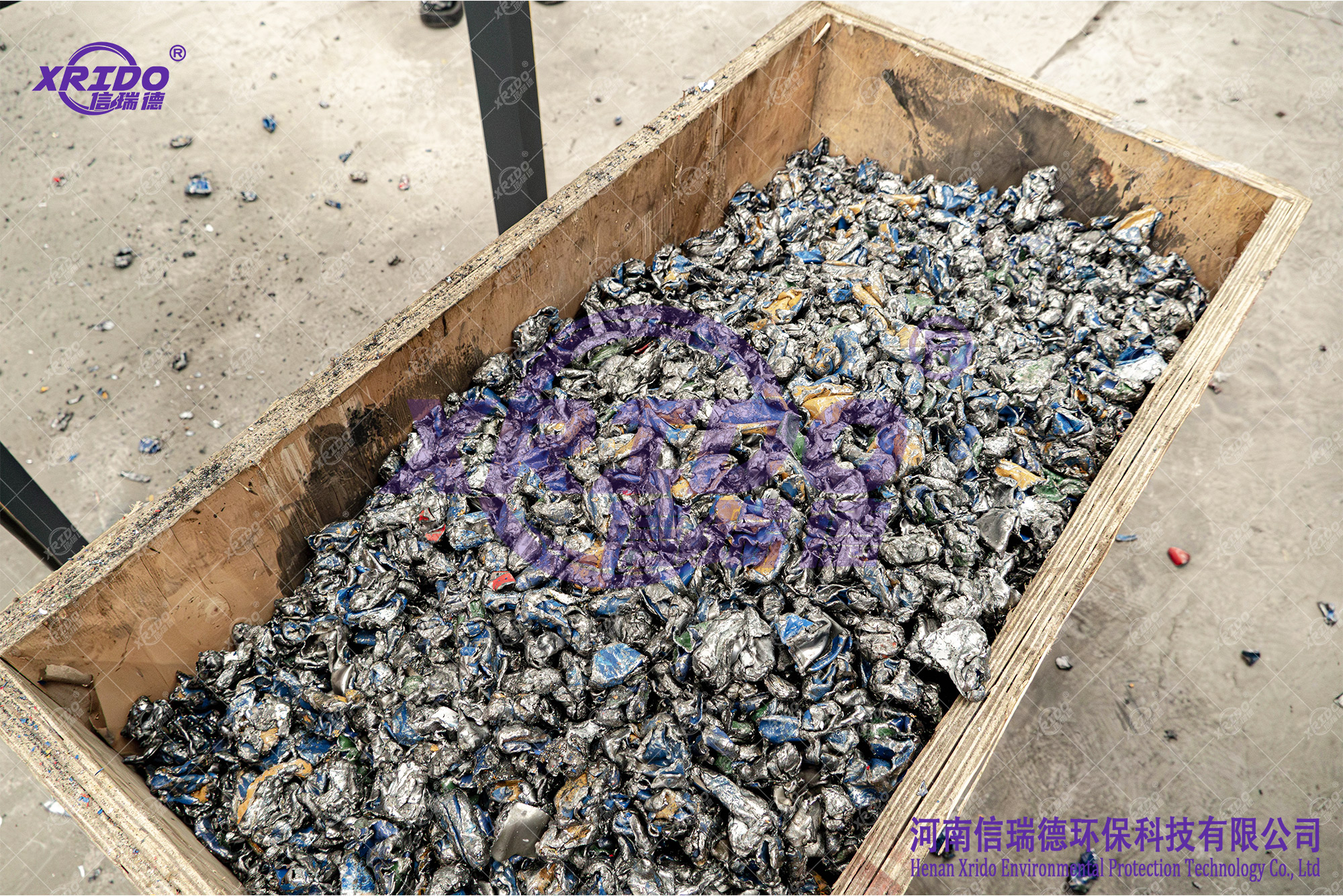
In terms of processing, simple crushing is insufficient. To comply with the “Standards for Pollution Control of Hazardous Waste Storage,” the crushed material must undergo deep cleaning. Modern paint bucket shredding production lines often integrate air separation and flotation functions. Airflow separation separates lightweight plastic labels from heavy metals; water washing removes paint residue from the metal flakes. This physical cleaning method eliminates the need for chemical agents, making it more environmentally friendly.
Why are more and more companies trusting Xrido Machine? The reason lies in its meticulous attention to detail. For example, to address the issue of oil and gas volatilization during the crushing of oil drums, this brand’s equipment is equipped with a nitrogen protection device and an activated carbon adsorption system, eliminating fire hazards at the source. Simultaneously, the intelligent electrical control cabinet can monitor current and temperature in real time; if foreign objects are detected entering, the reverse function will automatically activate to prevent motor burnout.
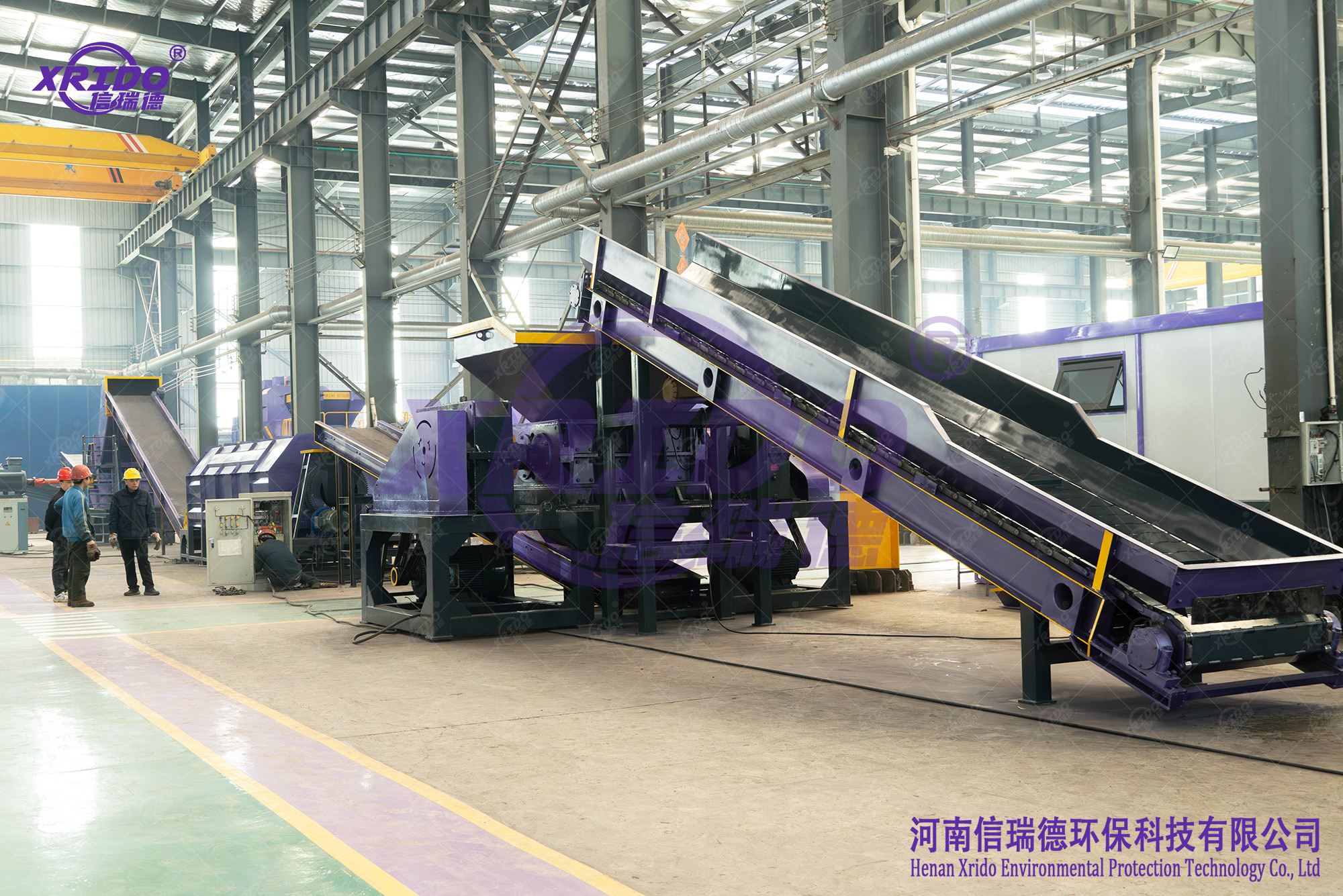
For companies with a daily processing capacity of over 5 tons, it is recommended to directly configure a fully automated hazardous waste crushing and washing line. Although the initial investment is higher than that of a single-unit oil drum crusher, the savings in labor costs and the improved purity of the recycled materials typically allow the price difference to be recovered within one year.
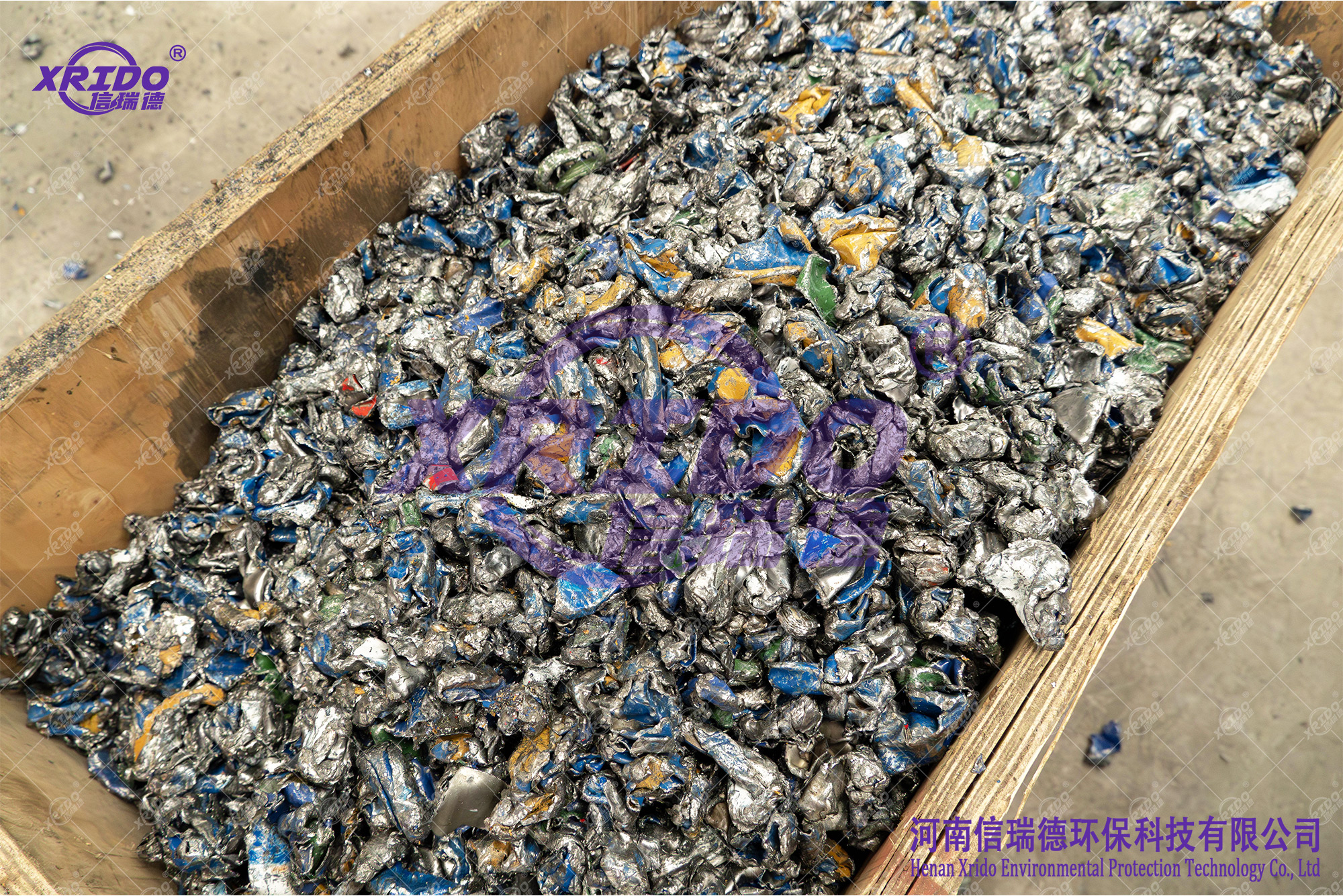
In short, facing the complex hazardous waste treatment market, companies should not only focus on price but also examine the technological maturity of the equipment and after-sales service. Choosing a supplier like Xrido Machine, with its extensive case studies, ensures that your hazardous waste treatment project is compliant, efficient, and profitable.