
Hot Products
Xrido 160t Metal Baler Shipped to Australia
High-Density Compression & Intelligent Operation! Xrido 160t Metal Baler Lands in Australia for Efficient Scrap Disposal.
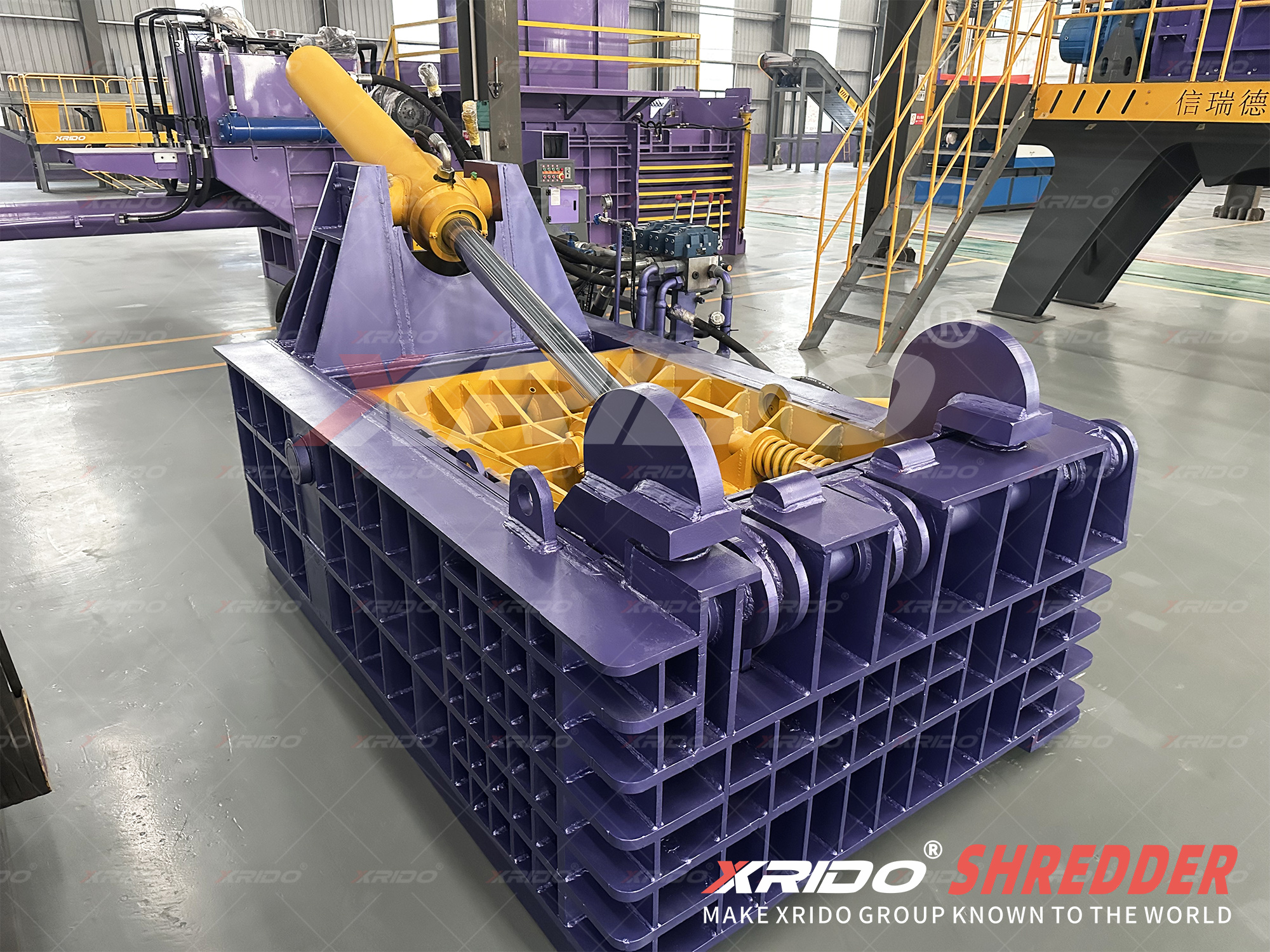
Xrido’s star core equipment — 160t high-pressure metal baler has been successfully delivered to Australia and will be officially put into local scrap metal disposal and recycling production. Targeted at the actual operation demands of Australian industrial waste metal recycling, this metal baler equipment focuses on high-density compression, energy-saving operation and intelligent control, solving multiple industry bottlenecks such as low compression efficiency, uneven finished product quality and high operating costs of traditional metal baling equipment, and providing a reliable high-efficiency recycling tool for local metal resource regeneration enterprises.
The Australian scrap metal recycling industry presents the characteristics of diverse material types, large daily processing volume and high environmental protection requirements. Most local small and medium-sized recycling enterprises rely on traditional low-tonnage balers, which cannot meet the large-volume compression demand of industrial scrap metal. The finished metal blocks have low density and messy specifications, affecting subsequent smelting and reprocessing efficiency and reducing economic benefits of recycled materials. Against this market background, Xrido 160t metal baler, with its superior compression performance and stable operation capability, has become an ideal equipment upgrade choice for local Australian recycling enterprises.
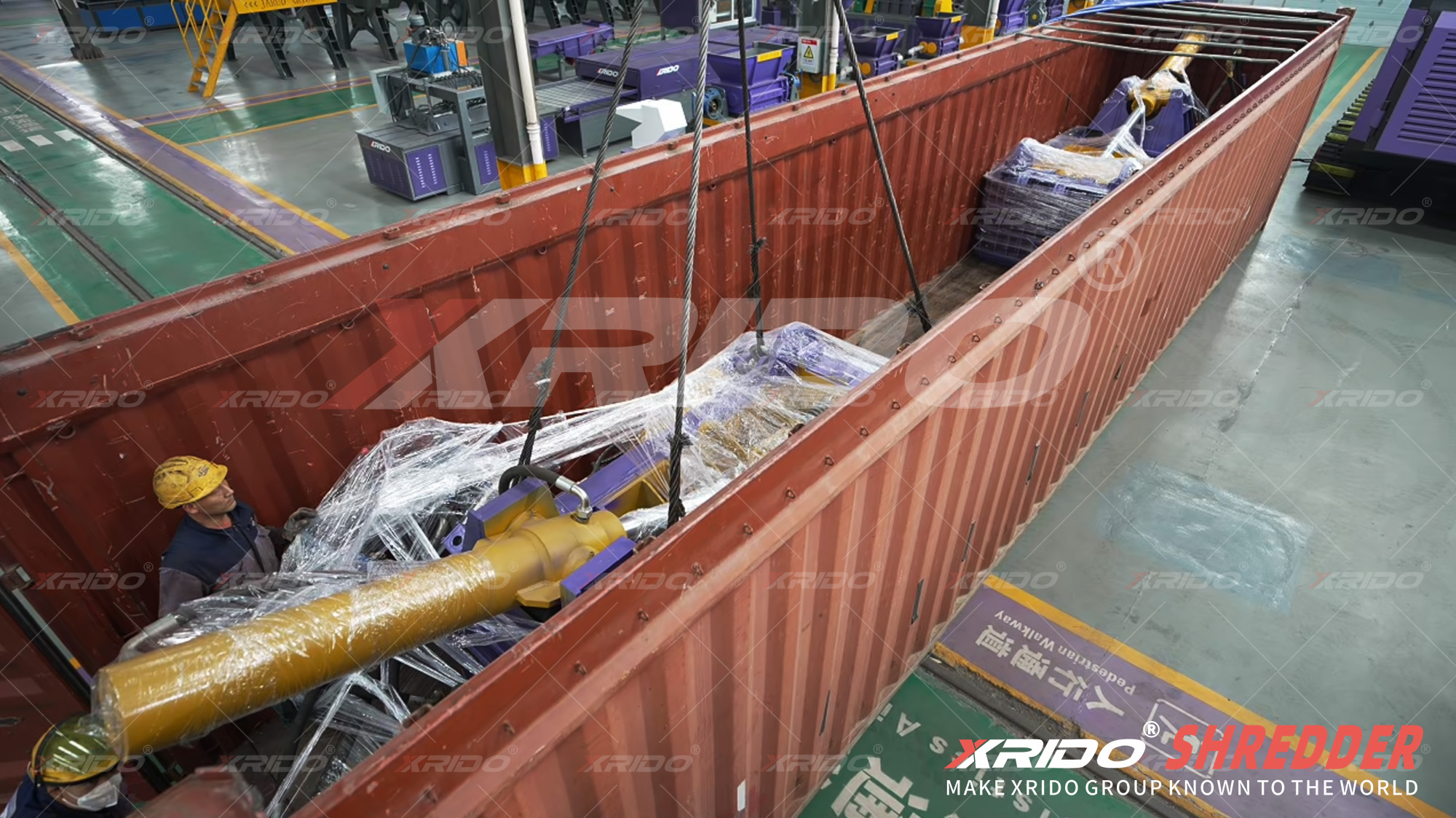
The core advantage of Xrido 160t metal baler lies in its powerful and stable high-pressure compression performance. The upgraded hydraulic power system provides continuous and stable 160-ton compression thrust, which can efficiently process various difficult-to-compress light and thin metal materials, including scrap iron sheets, aluminum scraps, copper leftovers, packaging metal and mixed industrial metal waste. After compression, the metal blocks are compact and uniform, with high density, which is more conducive to stackable storage, container transportation and high-purity smelting regeneration, greatly improving the resource recycling rate of waste metals.
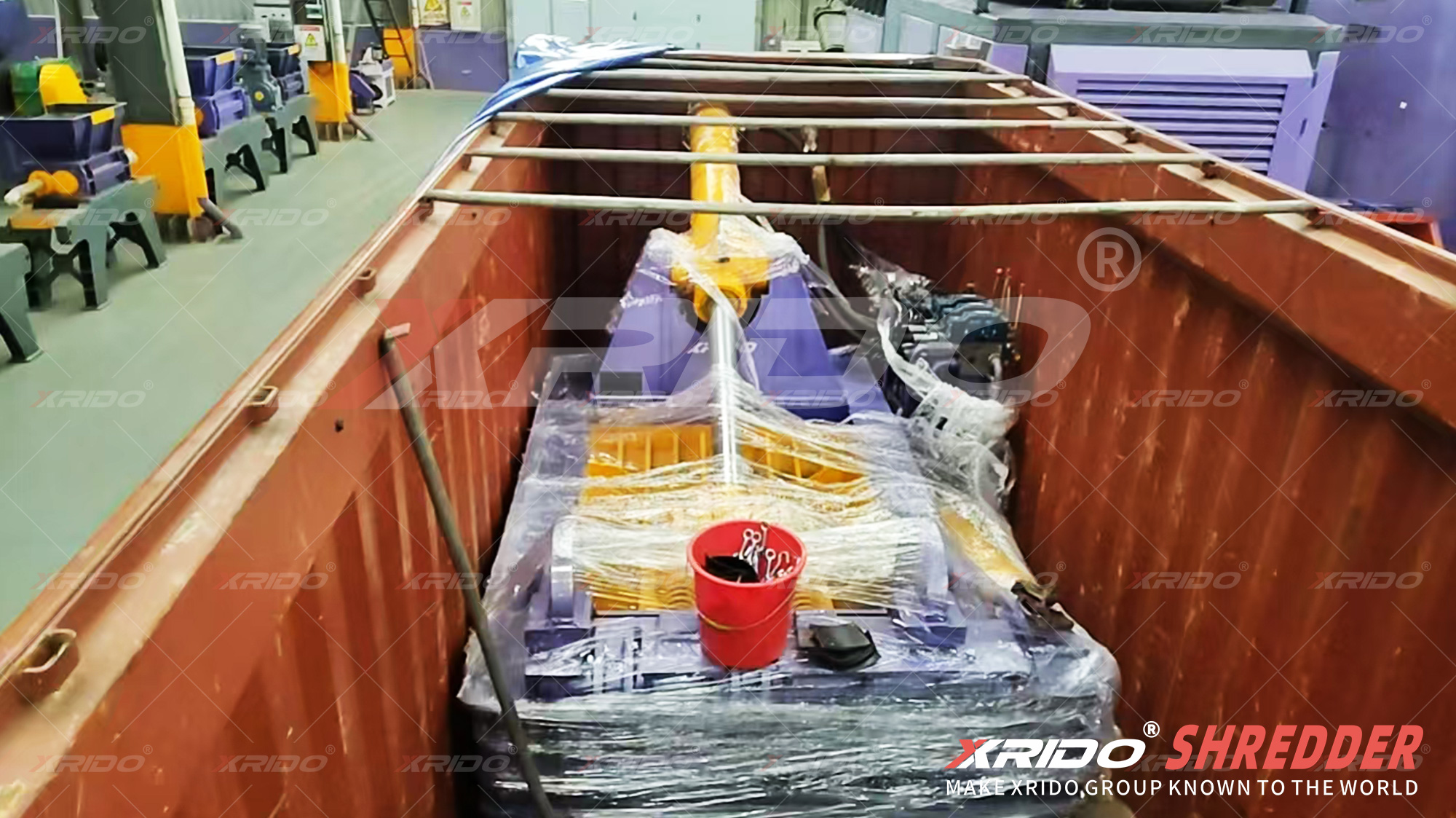
In terms of structural design and operational performance, this 160t metal baler has achieved comprehensive optimization and upgrading. The widened and deepened feeding bin adapts to large-volume bulk metal materials, improving single feeding capacity and overall production efficiency. The intelligent PLC control system supports one-key automatic operation, realizing unmanned continuous production of feeding, compression, locking and discharging. The built-in safety protection system can automatically alarm and cut off power in case of overload, material jamming and other abnormal conditions, ensuring the safety and stability of on-site production.
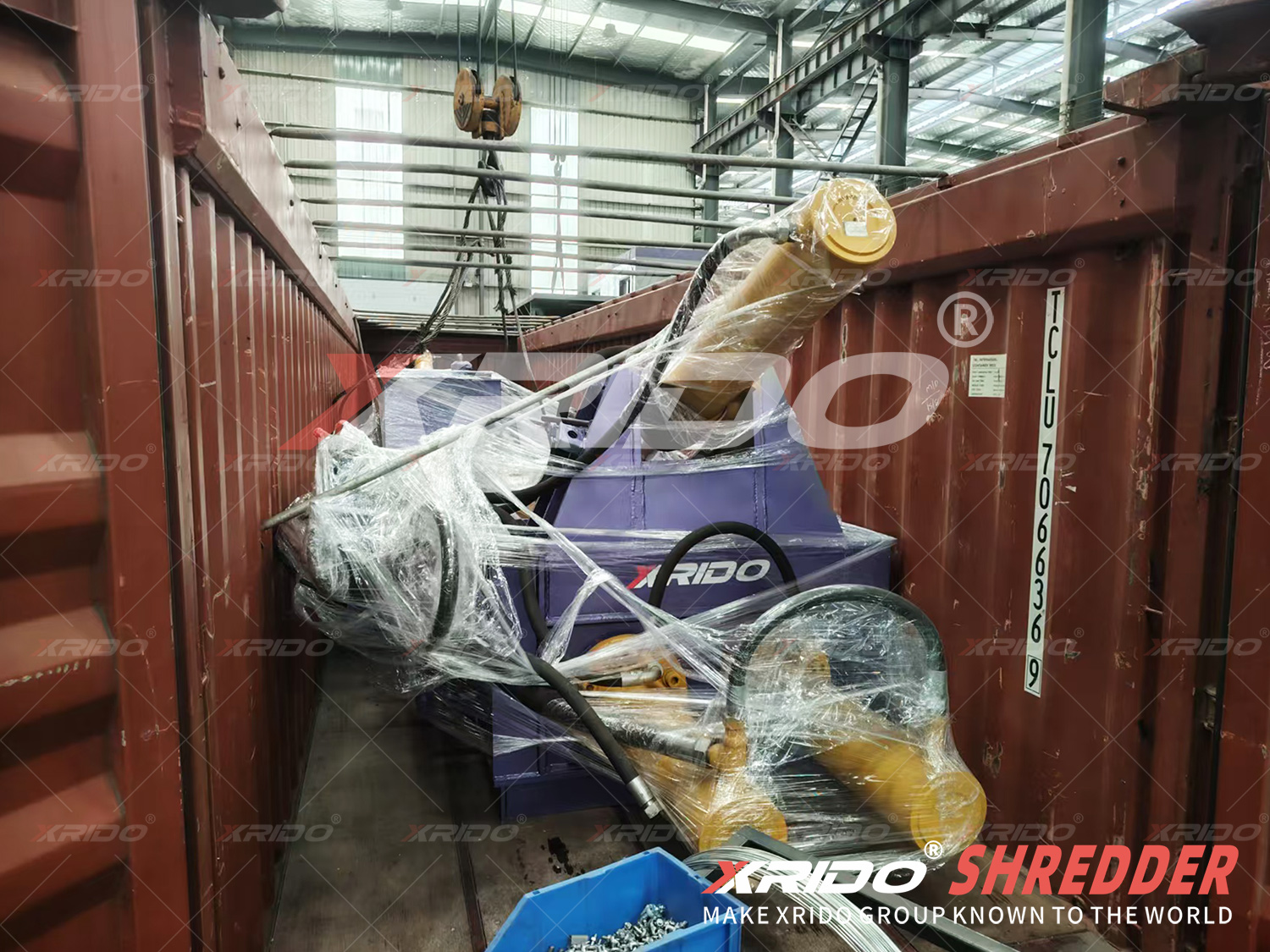
Energy saving, environmental protection and low maintenance are another major highlight of Xrido 160t metal baler. The optimized hydraulic loop design reduces invalid power consumption, making the equipment more energy-efficient than traditional models under the same production capacity. The whole machine adopts anti-rust and wear-resistant treatment, with long service life and low daily maintenance cost, effectively reducing the long-term operating investment of customers. In addition, the equipment has no dust leakage and low operating noise during operation, fully meeting Australia’s strict industrial environmental protection emission standards, realizing clean and green production.
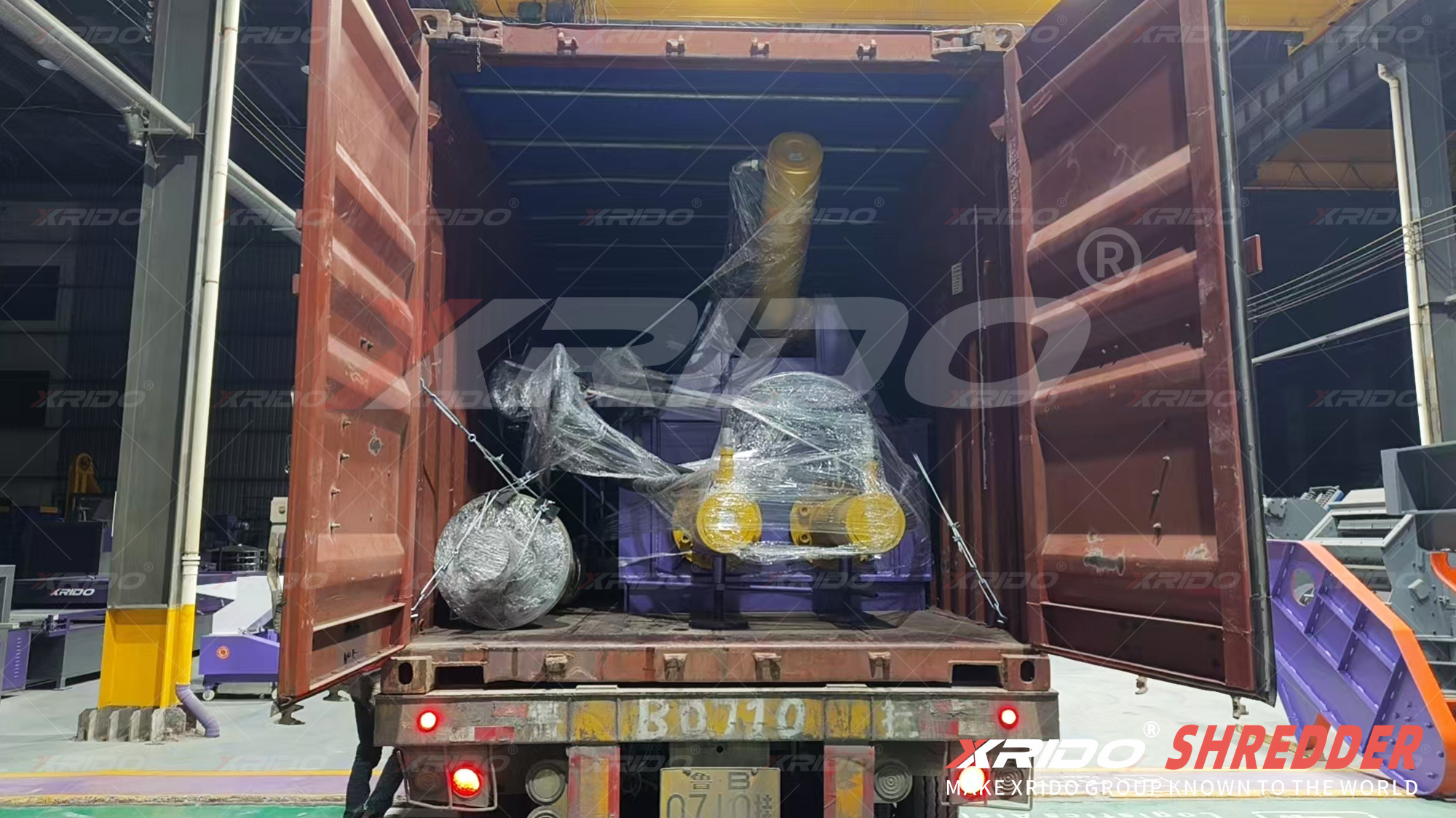
All equipment of this Australian project has completed standardized factory debugging, quality inspection and safe packaging and shipping. In the next stage, Xrido’s professional overseas after-sales technical team will arrive at the customer’s factory to complete equipment installation, commissioning and operator guidance training. After formal operation, the 160t metal baler will help local customers expand scrap metal processing capacity, optimize finished product quality, reduce comprehensive production costs, enhance market competitiveness in the secondary metal recycling industry, and contribute more strength to Australia’s resource circular economy and green industrial development.