

Hot Products
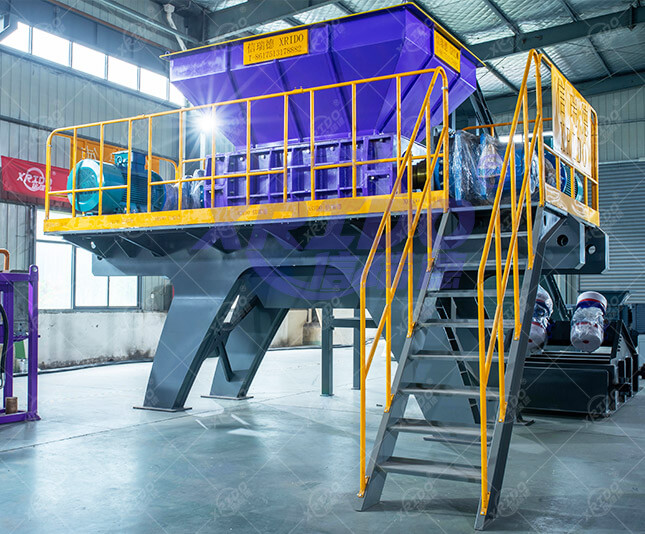
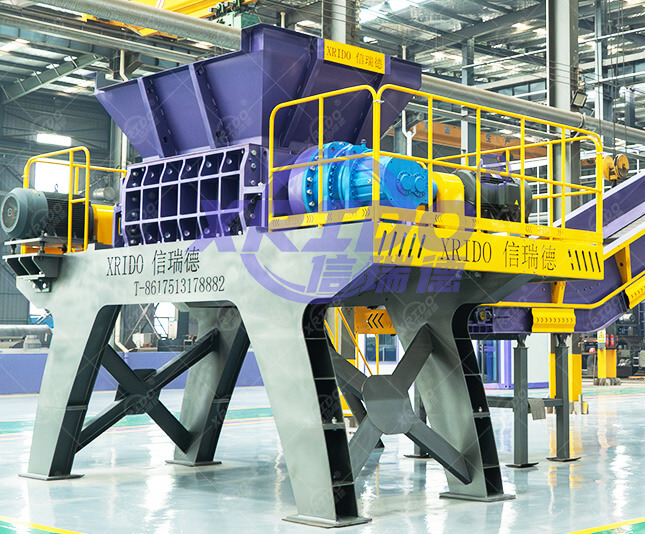
Why Mobile Waste Metal Crusher Revolutionizes Scrap Car Crushing Sorting Business
Traditional end-of-life vehicle crushing and sorting has long relied on fixed crushing plants, resulting in pain points such as high transportation costs, limited space, long turnaround times, and narrow profit margins. Mobile scrap metal crushers, with their core characteristics of mobility, integrated processing, and low-cost operation, restructure the entire end-of-life vehicle recycling and processing process, revolutionizing everything from operating modes and cost structures to production efficiency and environmental management, thus completely changing the traditional vehicle dismantling and crushing industry.
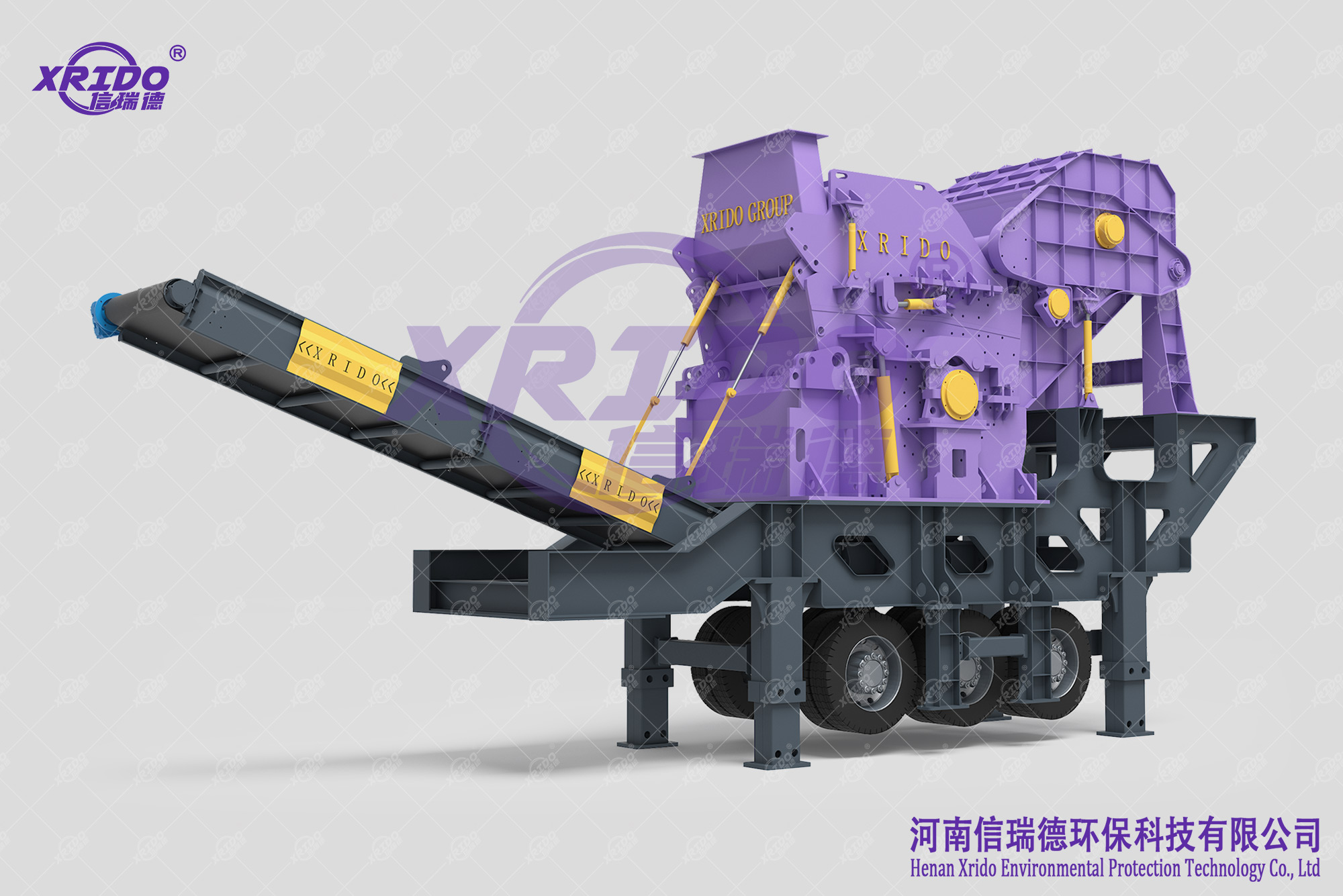
Firstly, the on-site processing model overturns the traditional material transportation logic. In the past, end-of-life vehicles needed to be transported to fixed crushing plants by centralized trailers, resulting in high logistics costs for each vehicle’s round-trip transportation and loading/unloading, and long-distance transportation also incurred time losses. Mobile crushers, equipped with tracked chassis, can directly drive into end-of-life vehicle yards, dismantling parks, and parking lots, completing crushing and compression on-site without the need for cutting and transportation of the entire vehicle. Eliminating the need for extensive towing and loading/unloading labor directly reduces logistics costs by over 30%. Simultaneously, it reduces vehicle backlog, eliminating the need for large storage areas in yards. Small and medium-sized recycling companies no longer need to lease large, fixed factory buildings, significantly lowering site rental costs. This allows micro-enterprises to enter the end-of-life vehicle recycling market, breaking the industry monopoly of large, fixed processing plants.
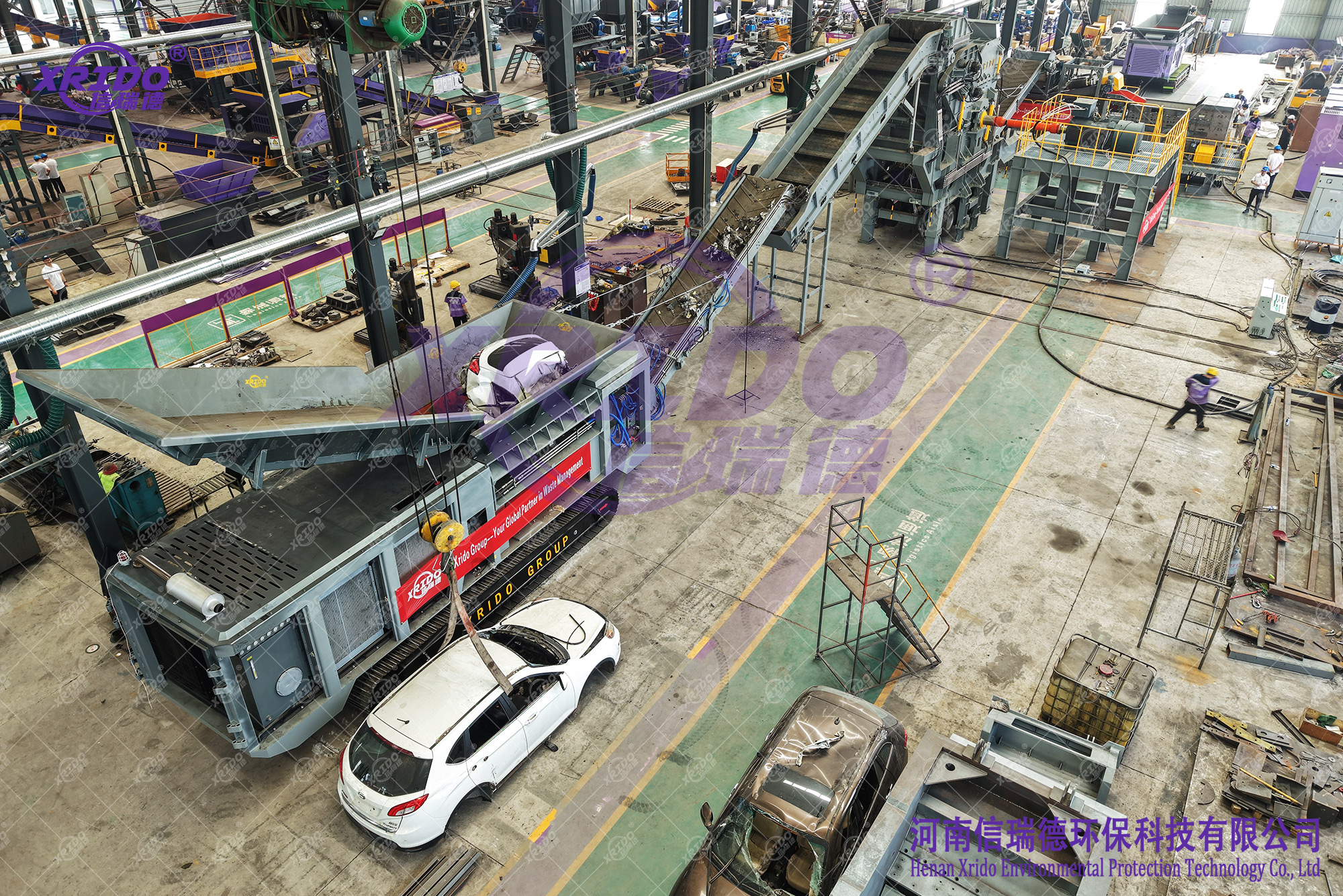
Secondly, the integrated equipment simplifies the crushing and sorting process. The mobile crusher integrates feeding, high-power crushing, magnetic separation, and finished product conveying into a single, complete unit, specifically designed for handling mixed materials from end-of-life vehicles. The wide feed inlet allows direct input of entire vehicle frames and body shells, eliminating the need for pre-cutting and dismantling. The high-torque crusher breaks down steel plates, plastics, and rubber from the vehicle body, while the built-in strong magnetic roller simultaneously separates steel from copper, aluminum, plastics, and glass impurities. Crushing and sorting are completed simultaneously, resulting in high-purity scrap steel as the output. Traditional fixed production lines involve multiple processes for crushing and sorting, requiring multiple machines and numerous workers to operate in stages. Mobile models, however, can be remotely controlled by a single person to complete the entire process, reducing manpower by half and increasing overall production line efficiency by 40%, significantly increasing the number of scrapped vehicles processed daily.
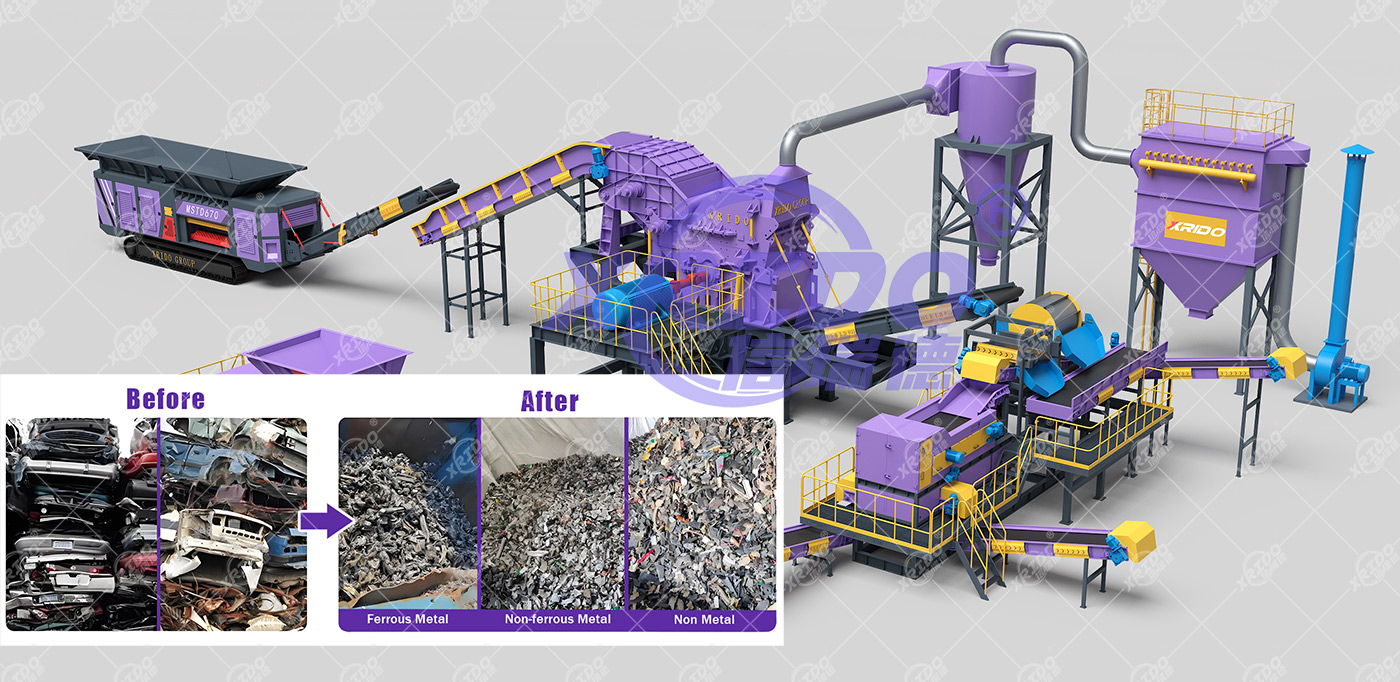
Third, mobile crushers offer flexibility and adaptability to multi-site, decentralized recycling operations. Scrap car recycling points are scattered, with significant distances between dismantling points in urban areas, counties, and towns, making it impossible for fixed crushing equipment to be moved across regions. Mobile crushers are easy to relocate, capable of 360° turning on the spot, and can navigate muddy storage yards and narrow industrial parks. One set of equipment can serve multiple recycling points in rotation. Companies do not need to build separate crushing workshops in different locations, reducing redundant equipment purchases and significantly lowering asset investment. During peak seasons for scrap car recycling, equipment can be quickly deployed to areas with concentrated vehicle sources, flexibly matching production capacity and avoiding the problems of idle equipment and wasted resources in fixed plants during off-seasons.
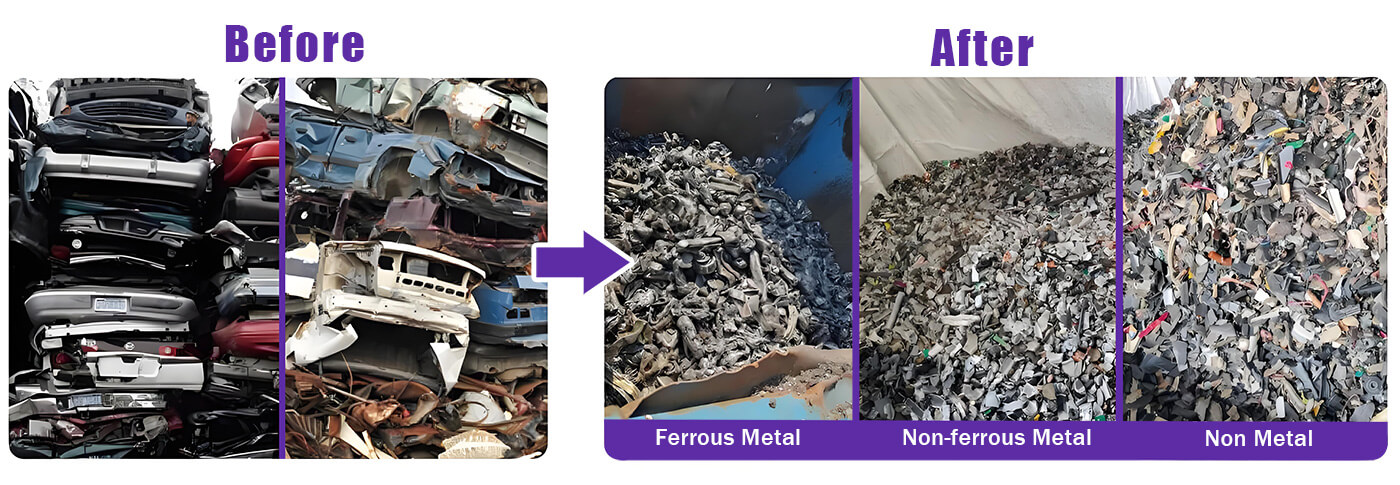
Finally, lightweight and environmentally friendly features lower the industry’s compliance threshold. The equipment features a self-contained dust suppression spray system and a noise-reducing casing, ensuring that dust and noise levels during crushing operations meet standards. Mobile operation eliminates the need for large-scale dust suppression and soundproofing infrastructure. Dual power options (diesel and electric) adapt to different sites, enabling stable production even in suburban stockpiles without external power grid connections. Compared to the complex environmental approvals and infrastructure construction required for fixed plants, mobile equipment has a shorter commissioning cycle and is easier to operate in compliance with regulations.
In summary, the mobile scrap metal crusher solves the core problems of traditional scrap vehicle crushing, sorting, and transportation—high costs, limited space, cumbersome processes, and rigid production capacity—reshaping the recycling and processing business model and driving the scrap vehicle recycling industry towards lightweight, flexible, and low-cost transformation, fundamentally reshaping the scrap vehicle crushing and sorting industry landscape.