
Hot Products
Automotive Interior Shredder
Automotive Interior Parts Shredder and RDF/SRF: Core Equipment for Energy Conversion from Automotive Waste
In the field of automotive end-of-life treatment, the efficient recycling and energy conversion of interior materials is becoming a focus of the industry. The combination of automotive interior parts shredders with RDF (Recycled Fuel from Waste) and SRF (Solid Recycled Fuel) technologies has created a complete high-value utilization system for automotive waste, providing innovative solutions for the sustainable development of the automotive industry.
I. Specialized Design of the Automotive Interior Parts Shredder
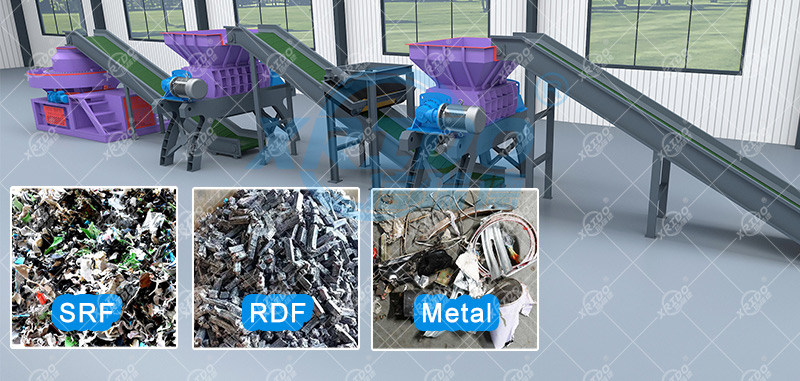
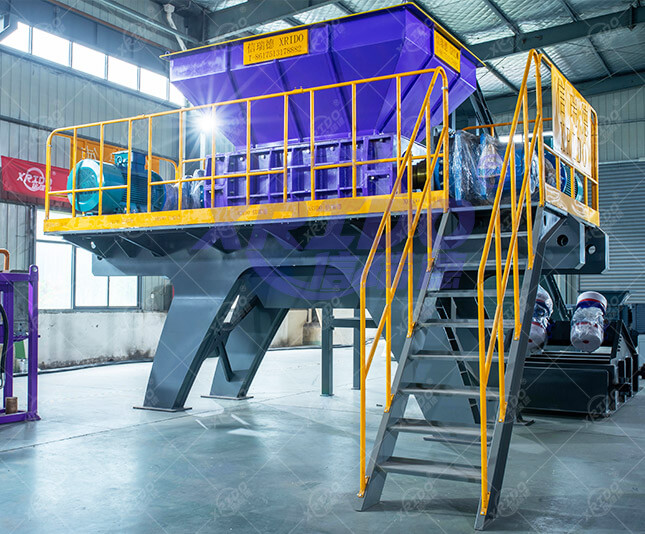
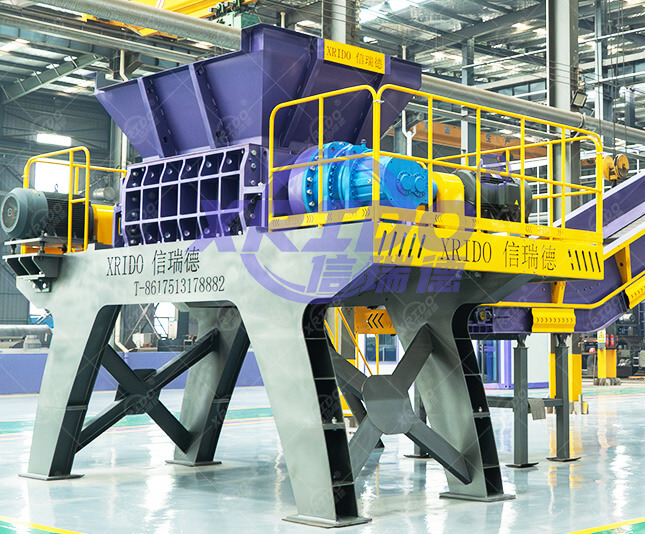
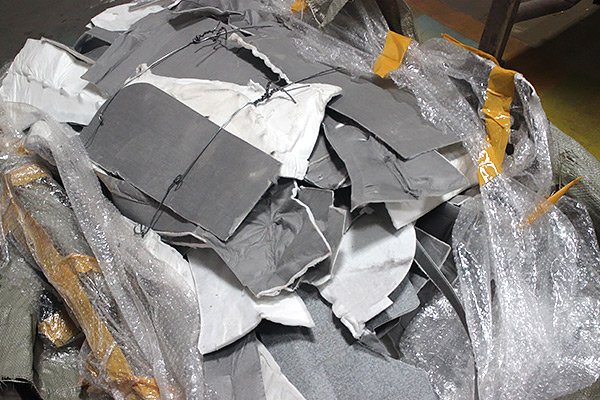
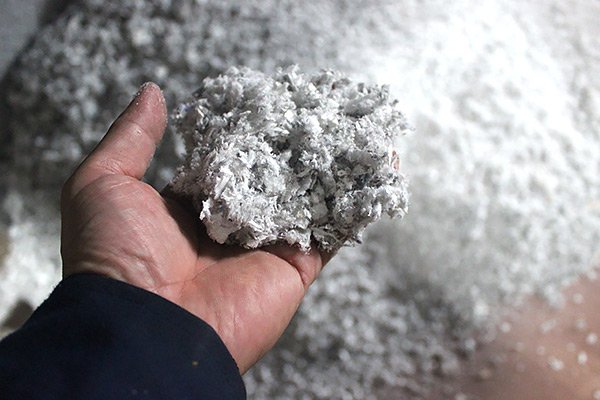
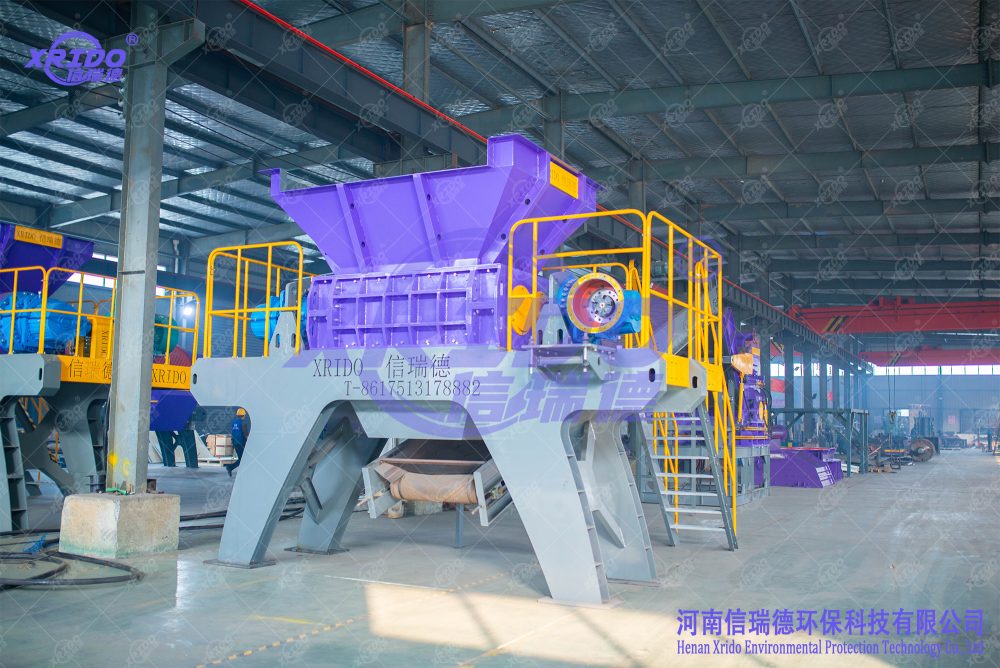
The automotive interior parts shredder is specifically designed for processing composite materials such as seat foam, dashboards, headliner fabrics, and door panels. Its core employs a multi-stage crushing structure: the primary coarse crushing stage uses a twin-shaft shear crusher equipped with manganese steel alloy blades (hardness HRC58-62), capable of crushing large interior parts to 100-300mm; the secondary fine crushing stage uses a high-speed impact mill, further pulverizing the material to below 50mm through rotor centrifugal force. For lightweight materials such as polyurethane foam, the equipment integrates an airflow separation system, separating materials of different densities through negative pressure airflow. A specially designed anti-tangling feeding device effectively handles flexible materials such as seat belts and fabrics, with a processing capacity of 1-3 tons/hour. Key components utilize wear-resistant coating technology, extending blade life to more than three times that of ordinary equipment.
II. Conversion Value of RDF/SRF
Automotive interior materials processed by the shredder can be converted into different grades of alternative fuels based on their composition characteristics:
1. RDF Preparation: The mixed shredded materials (containing plastics, rubber, and fibers) are blended with waste paper, biomass, etc., and then dried in a drum dryer (moisture content reduced to below 15%) to form cylindrical fuel rods (diameter 20-40mm), with a calorific value of 18-22 MJ/kg, suitable for auxiliary combustion in cement kilns.
2. SRF Refining: Interior materials with high plastic content (>60%) are processed separately. Metal impurities are removed through near-infrared sorting, and the mixture is granulated into pellet fuel with a density of 0.8-1.2 g/cm³ (particle size 8-15 mm), achieving a calorific value of 25-30 MJ/kg, meeting EU SRF standards (EN 15359).
III. Technological Synergy and Environmental Benefits
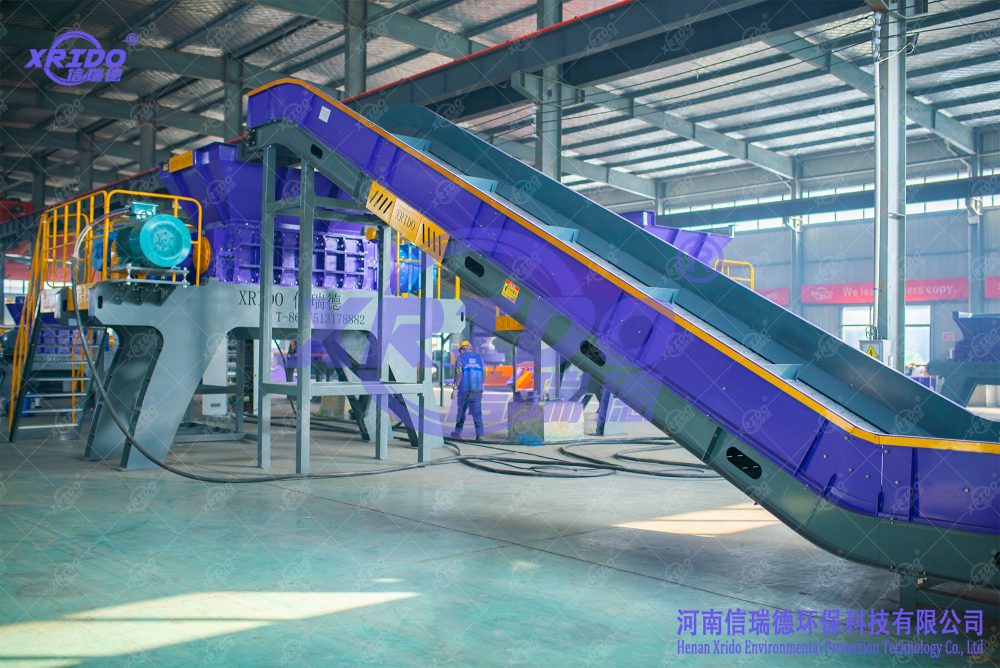
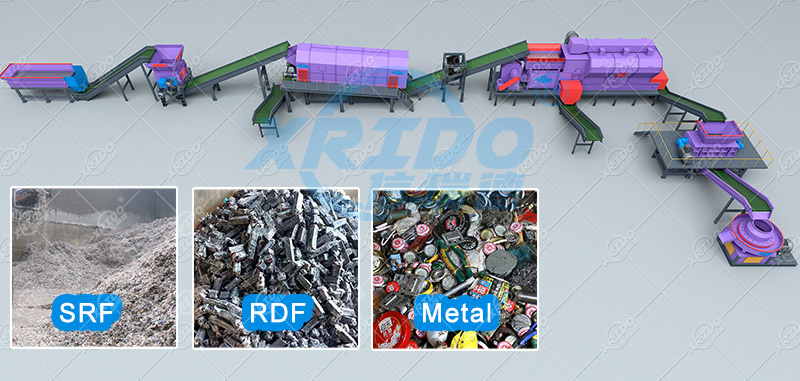
The synergistic effect of this technology chain is significant: the magnetic separation module equipped in the pulverizer can recycle the steel wire skeleton in the seats (recycling rate >95%); the fiber material collected by the cyclone separation system can be used for the recycling of sound insulation cotton; the RDF/SRF converted from the remaining mixture can replace traditional fossil fuels, reducing carbon emissions by 60-80%. A case study from an automotive dismantling company shows that processing 10 tons of interior materials can produce 3 tons of high-quality SRF (generating approximately 2000 RMB in revenue) and 2 tons of recycled fiber, with a comprehensive resource utilization rate exceeding 85%.
Current technologies are developing towards intelligentization: AI visual recognition systems can automatically identify interior material types and optimize crushing parameters, while IoT sensors monitor the calorific value fluctuations of RDF/SRF in real time. With global car dismantling volume projected to exceed 100 million vehicles by 2030, this equipment will become a key hub for the automotive industry’s circular economy, driving the transformation of end-of-life vehicles from “environmental burdens” to “energy treasures.”