

Hot Products
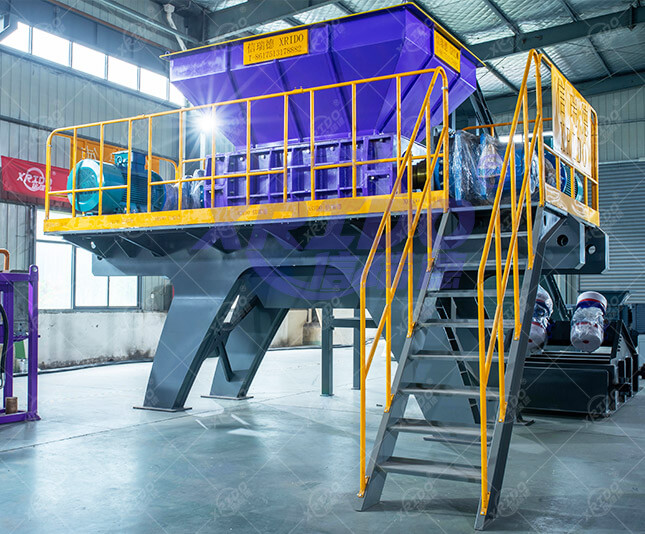
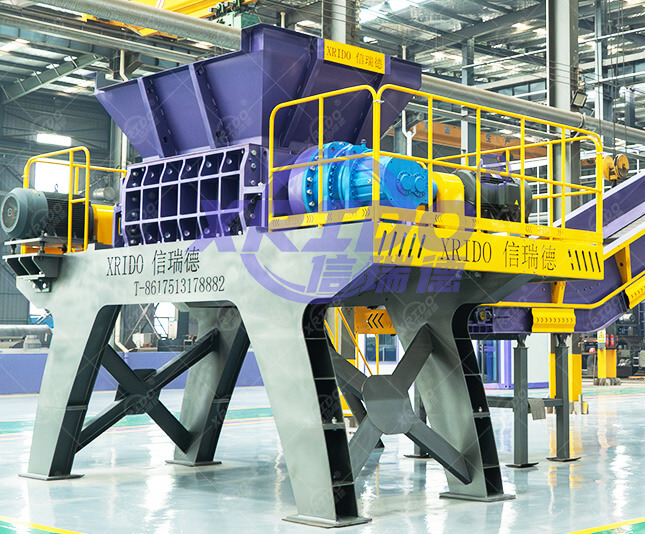
Core Advantages of Biomass EFB Shredders
Core Advantages of Biomass EFB Shredders: Why Choose Xrido Group Equipment
As the “first hurdle” in the resource utilization of empty palm fruit bunches (EFB), the performance difference of biomass EFB shredders directly affects subsequent processing efficiency and profitability. Xrido Group’s biomass EFB shredders, with their targeted technical design and scenario adaptability, demonstrate four core advantages, making them the preferred equipment for the palm industry and biomass processing enterprises, helping EFB transform from “waste” into a high-value resource.
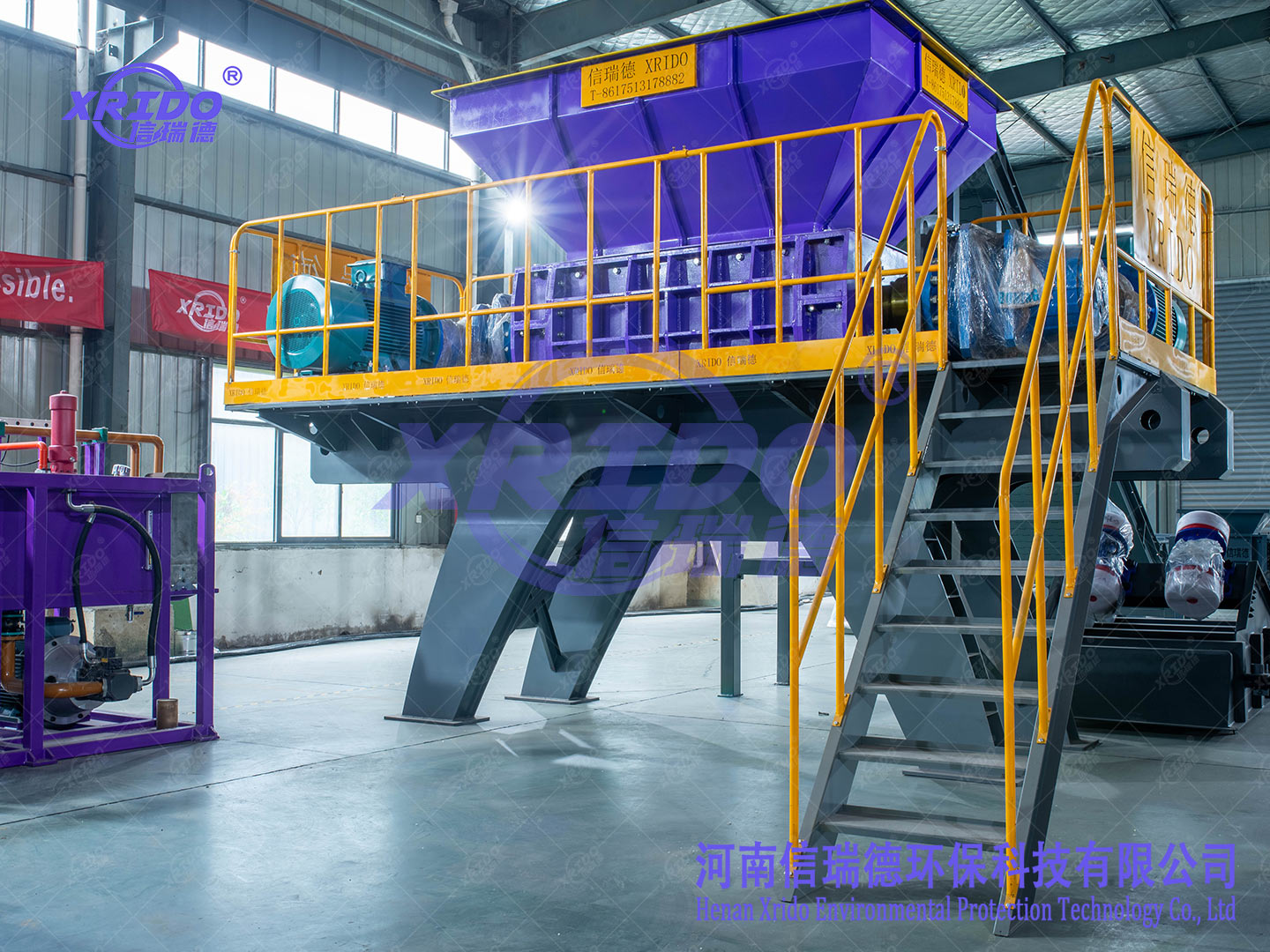
Advantage 1: Strong Adaptability, Solving EFB Crushing Pain Points. The coarse fibers, high moisture content, and residual oils of EFB are the “nemesis” of traditional shredders, easily leading to equipment jamming and low efficiency. Xrido Group’s biomass EFB shredder addresses key pain points through a triple-design: anti-stick blades prevent grease adhesion, dual-axis shearing cuts coarse fibers, and a low-speed, high-torque structure handles the toughness of high-moisture-content materials. Even when processing fresh EFB with a moisture content exceeding 60%, it maintains a shredding efficiency of 8-15 tons per hour, a 35% improvement over traditional equipment, completely eliminating the need for frequent downtime for cleaning.
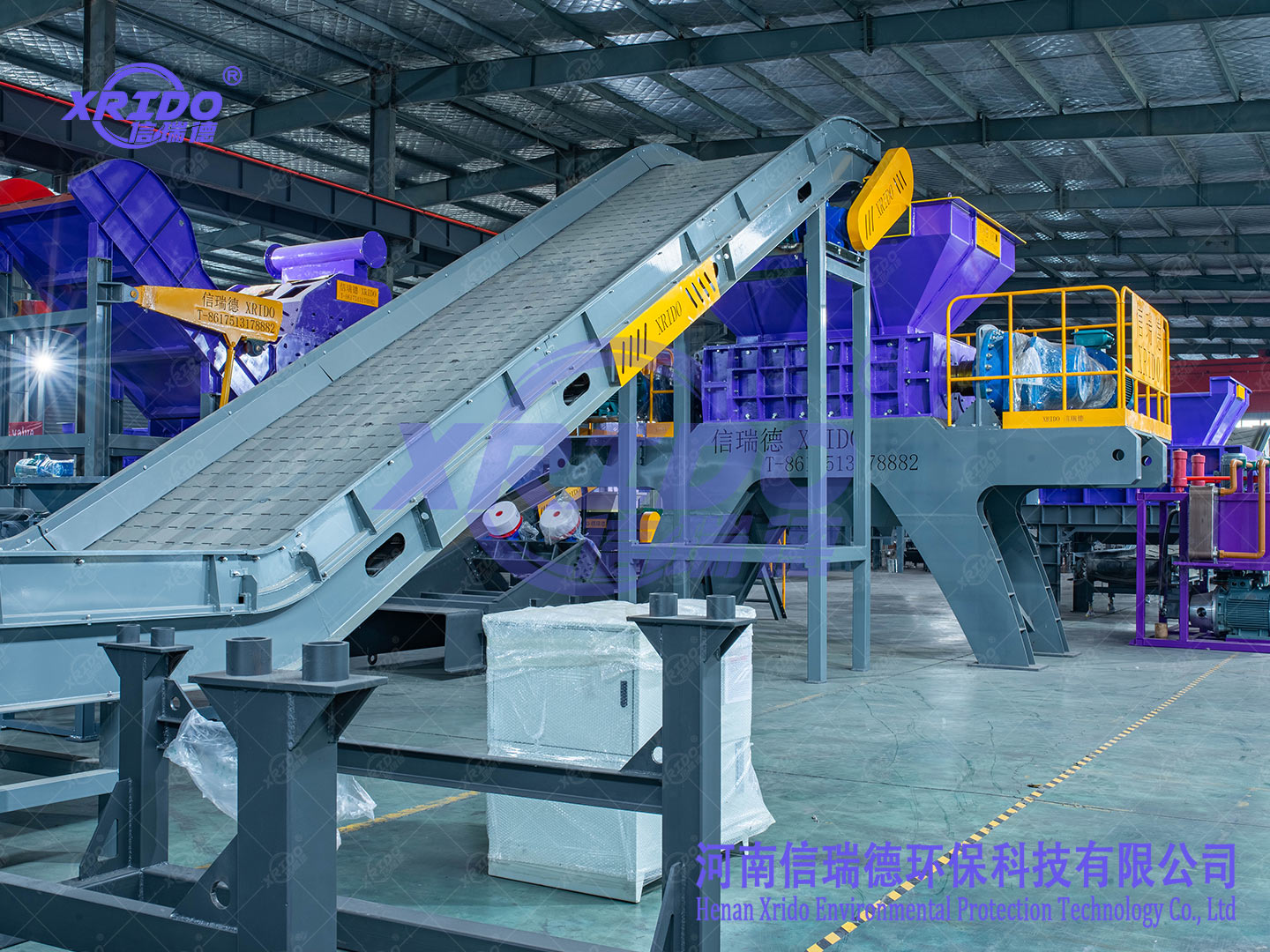
Advantage Two: Low loss, high output, preserving resource value. The core objective of the biomass EFB shredder is to maximize the retention of EFB’s biomass characteristics and avoid fiber loss due to over-shredding. Xrido Group precisely controls the blade gap and rotation speed to crush EFB into uniform particles of 5-15mm, meeting the particle size requirements of subsequent processing while avoiding excessive fine powder production (loss rate less than 1%). Simultaneously, the equipment’s impurity separation module removes impurities such as metal and stones from the EFB, ensuring a purity of over 98% in the output material. This provides high-quality raw materials for subsequent fuel and fertilizer production, guaranteeing the value of resource conversion.
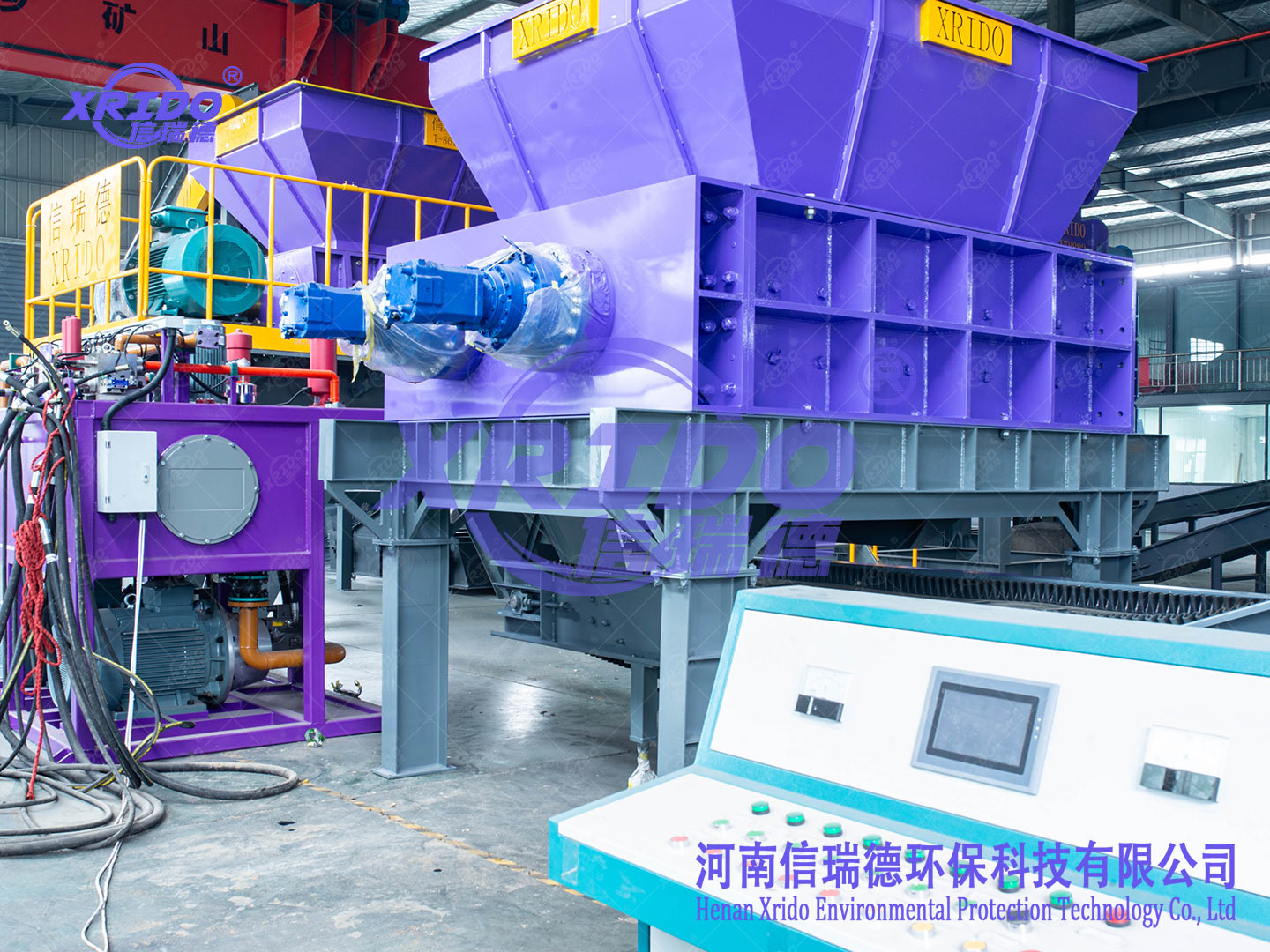
Advantage Three: Energy-saving and durable, reducing long-term operating costs. In terms of energy consumption, Xrido Group’s biomass EFB shredder adopts a low-speed, high-torque design, reducing energy consumption by 25% compared to high-speed shredders. The dual-shaft structure also reduces idle operating losses. Regarding durability, the machine body is welded with 16mm thick anti-corrosion steel plates, the blades are reversible (extending service life to 18 months), and core components are treated to resist grease corrosion, adapting to the humid and oily environment of palm oil processing workshops. Maintenance cycles are extended by 50% compared to traditional equipment, and annual maintenance costs are reduced by 25%, saving companies long-term investment. Advantage Four: Flexible Collaboration, Adaptable to the Entire Production Process. Biomass EFB shredders are not isolated devices; they must work in conjunction with subsequent drying, molding, and fermentation equipment. Xrido Group’s equipment can flexibly adjust the output particle size (adjustable from 5-20mm) according to the needs of downstream production lines and has reserved interfaces for docking with conveying equipment, achieving automated connection of “EFB feeding – crushing – discharging – conveying.” Simultaneously, the equipment supports linkage with IoT systems, uploading data such as crushing volume, energy consumption, and fault warnings in real time, facilitating enterprises to coordinate production plans and improve the operational efficiency of the entire biomass processing line.
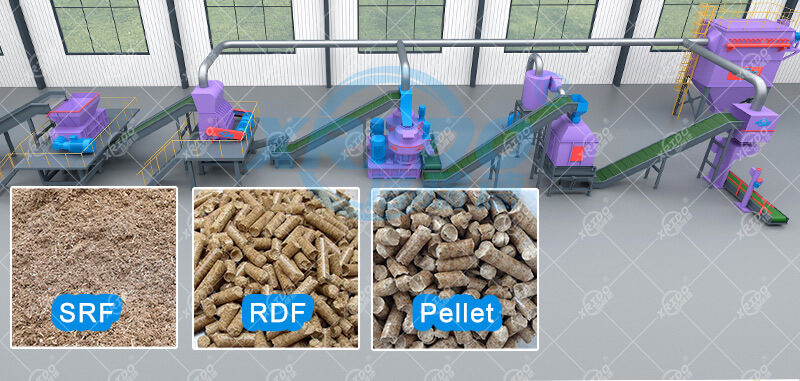
Against the backdrop of the increasing demand for biomass resource utilization, Xrido Group’s biomass EFB shredder, with its advantages of “strong adaptability, low loss, cost-effectiveness, and easy collaboration,” has become a highly efficient piece of equipment for EFB resource utilization, helping enterprises find a balance between environmental protection and economic benefits, and promoting the implementation of a circular economy in the palm oil industry.