
Hot Products
Solid Waste Shredder for Textile to RDF Production
The Core Support for RDF Plants: Solid Waste Shredding Plants for Textile-Based RDF Production
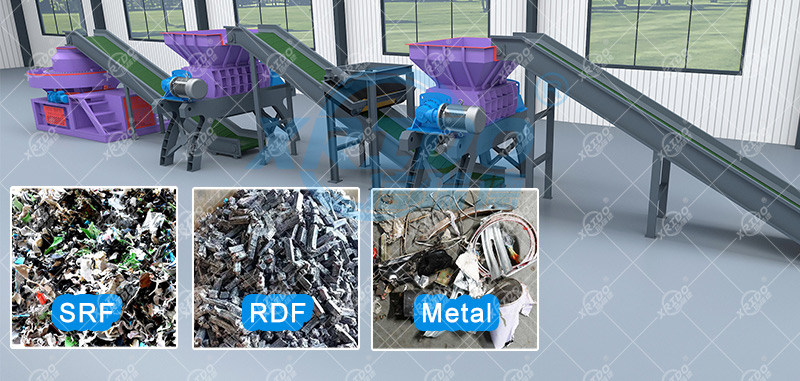
Against the backdrop of tightening environmental policies and escalating demands for resource recycling, RDF (waste-derived fuel), as a highly efficient and clean renewable energy source, is experiencing a continuous rise in market demand. For RDF plants to achieve large-scale, high-quality production, the support of the upstream material processing (link/stage) is indispensable. Solid waste shredding plants for textile-based RDF production, with their specialized textile shredders and RDF shredders, have become crucial supporting facilities ensuring the supply of raw materials for RDF plants.
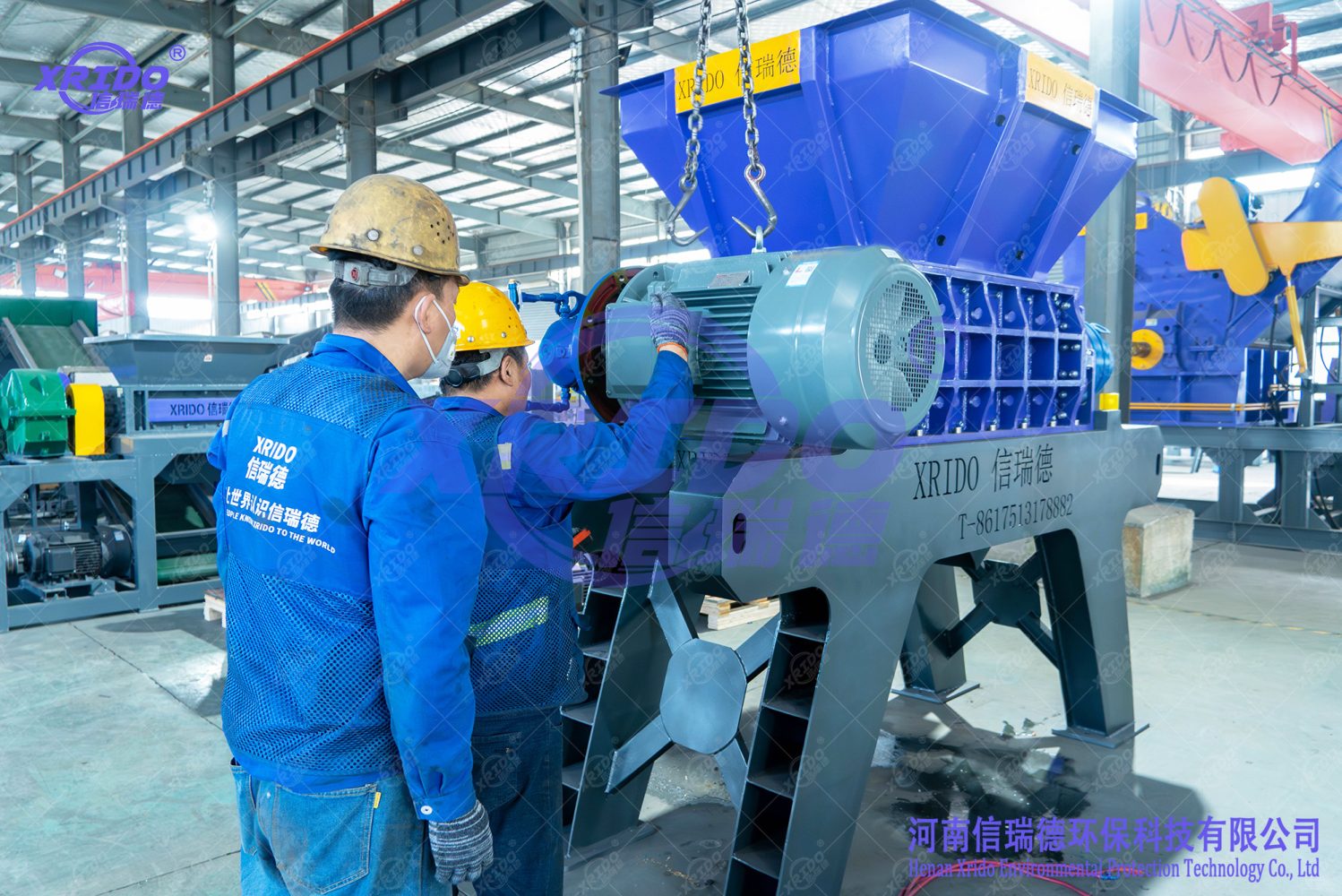
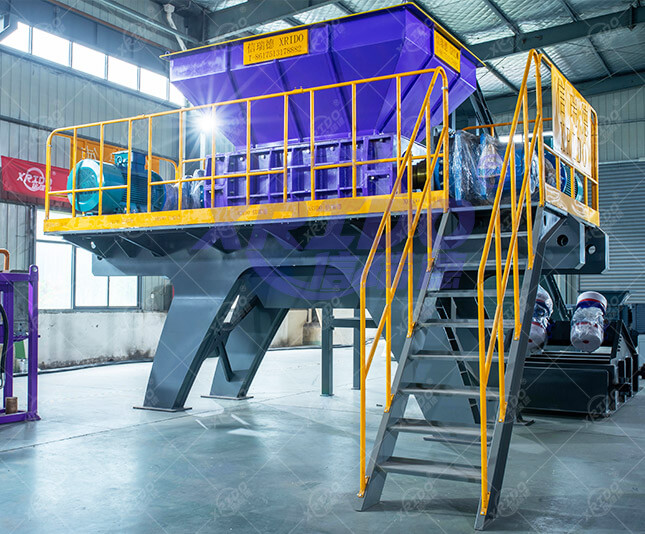
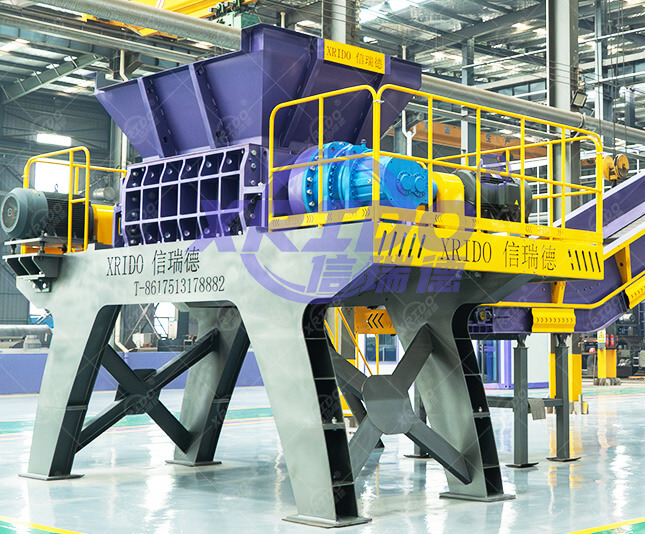
The reason why solid waste shredding plants for textile-based RDF production are well-suited to the needs of RDF plants lies in their equipment’s targeted processing capabilities for textile waste. Textile waste, as a common type of solid waste, is characterized by low density, large volume, and strong fiber toughness. If directly fed into RDF forming equipment, it can easily lead to equipment jamming and poor forming results. Textile shredders, utilizing low-speed, high-torque dual-shaft crushing technology, can break down waste clothing, textile scraps, and other materials into uniform flocculent materials without compromising fiber combustion performance. This significantly increases material density and reduces energy consumption in subsequent drying and forming processes.
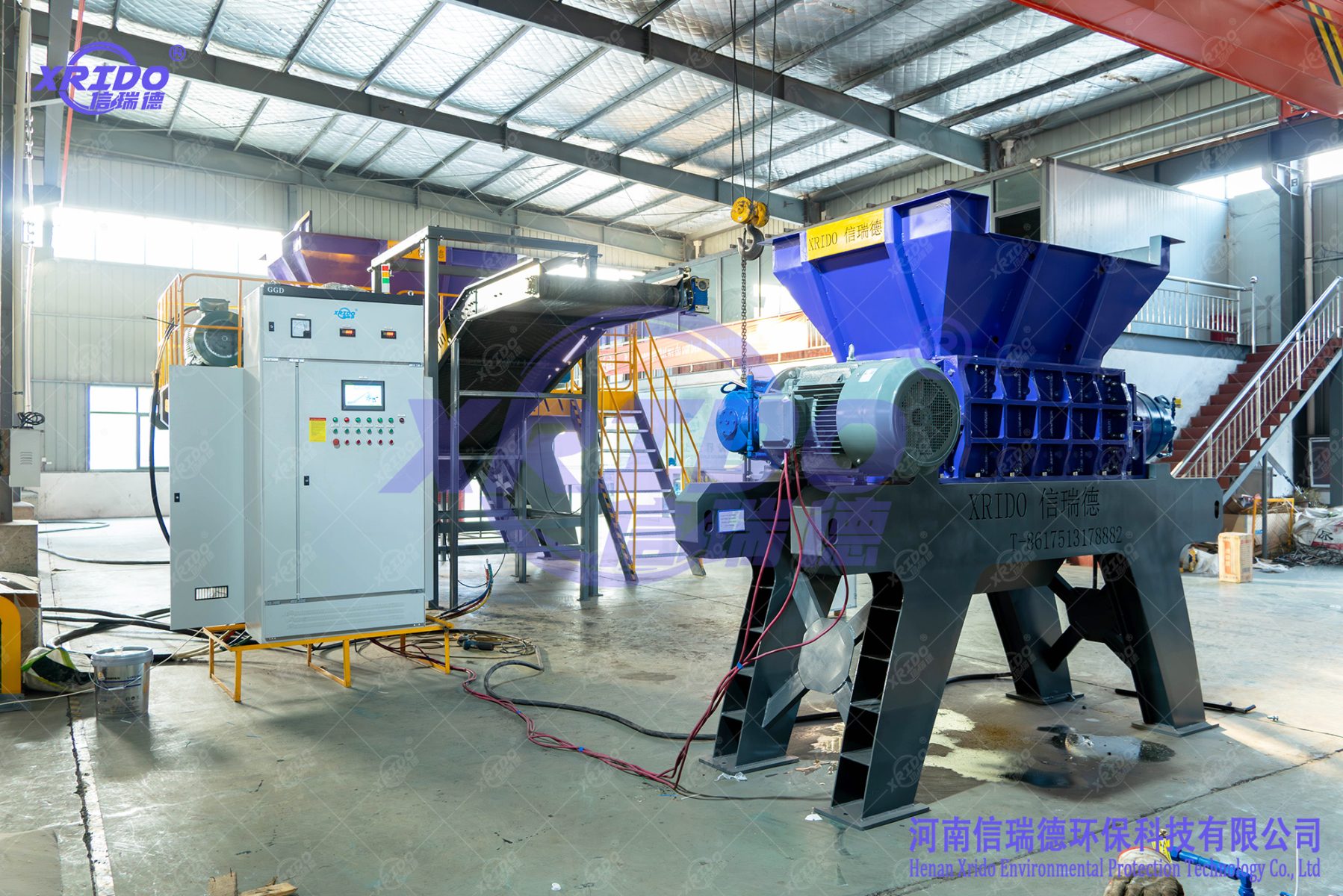
In the RDF (Regenerative Thermal Expansion) plant’s production chain, the RDF shredder plays a crucial role in the refined processing of materials. Materials initially crushed by the textile shredder need to be further crushed into fine particles suitable for forming by the RDF shredder, ensuring thorough mixing of the material and binder, and improving the strength and combustion stability of the RDF fuel. Furthermore, specialized solid waste shredding plants can adjust the parameters of both the textile shredder and the RDF shredder according to the RDF plant’s production needs, adapting them to handle different types of textile waste. This achieves comprehensive processing coverage from pure cotton waste to synthetic fiber waste, ensuring the stability and diversity of raw material supply for the RDF plant.
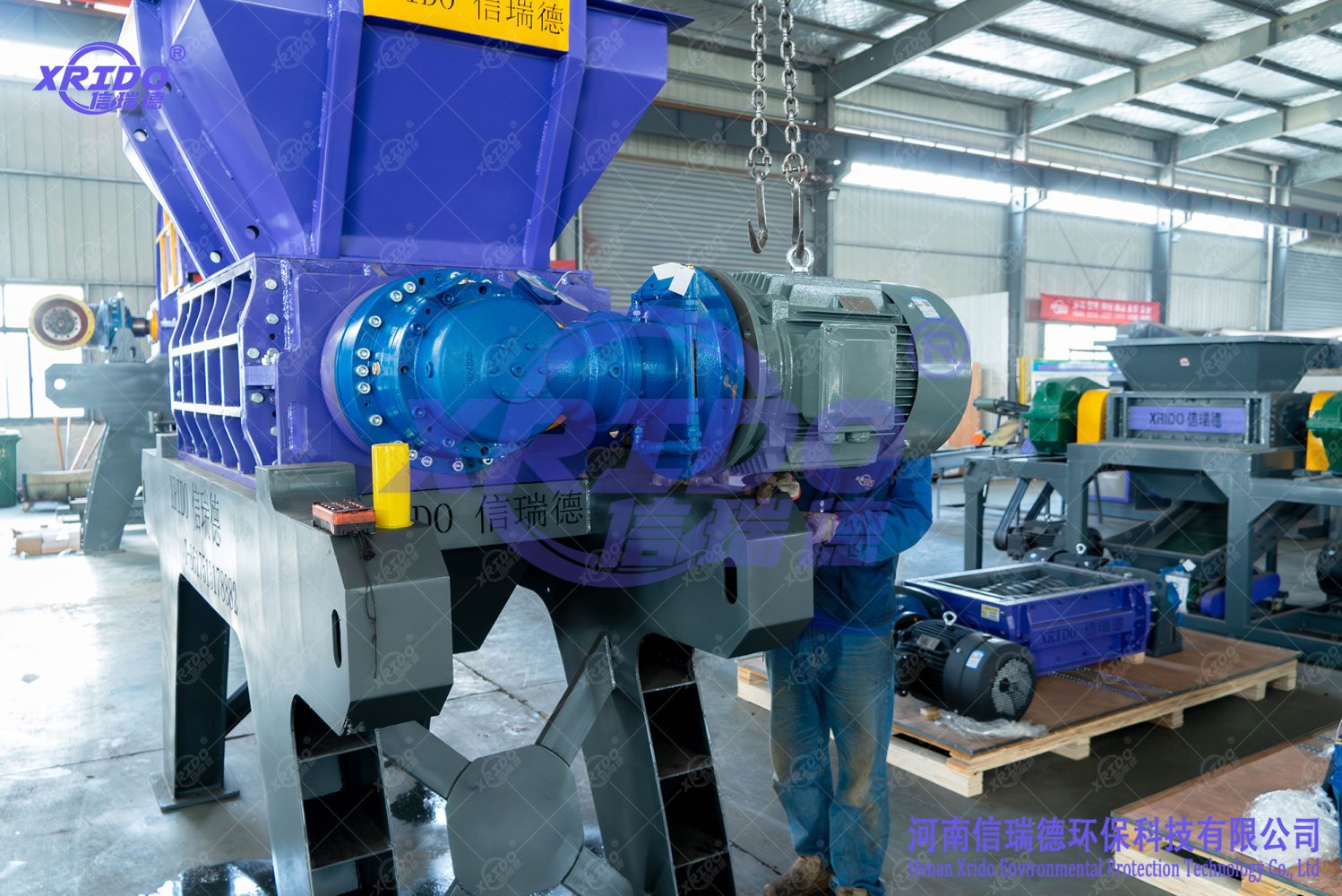
For RDF (Radio Deposit Facility) factories, partnering with solid waste shredding plants used in RDF production from textiles not only provides access to high-quality pre-treated materials but also reduces their own equipment investment and maintenance costs. This “specialized division of labor and collaborative production” model promotes the resource utilization of textile solid waste and helps RDF factories improve production efficiency and product quality, injecting strong momentum into the sustainable development of the environmental energy industry. If you require adjustments to the article’s focus (such as highlighting equipment technical parameters, adding case data), or supplementing descriptions of specific application scenarios, please feel free to let me know, and I will further optimize the content to improve SEO.