
Hot Products
The Role of Metal Crusher in Waste Bicycle Recycling Plants
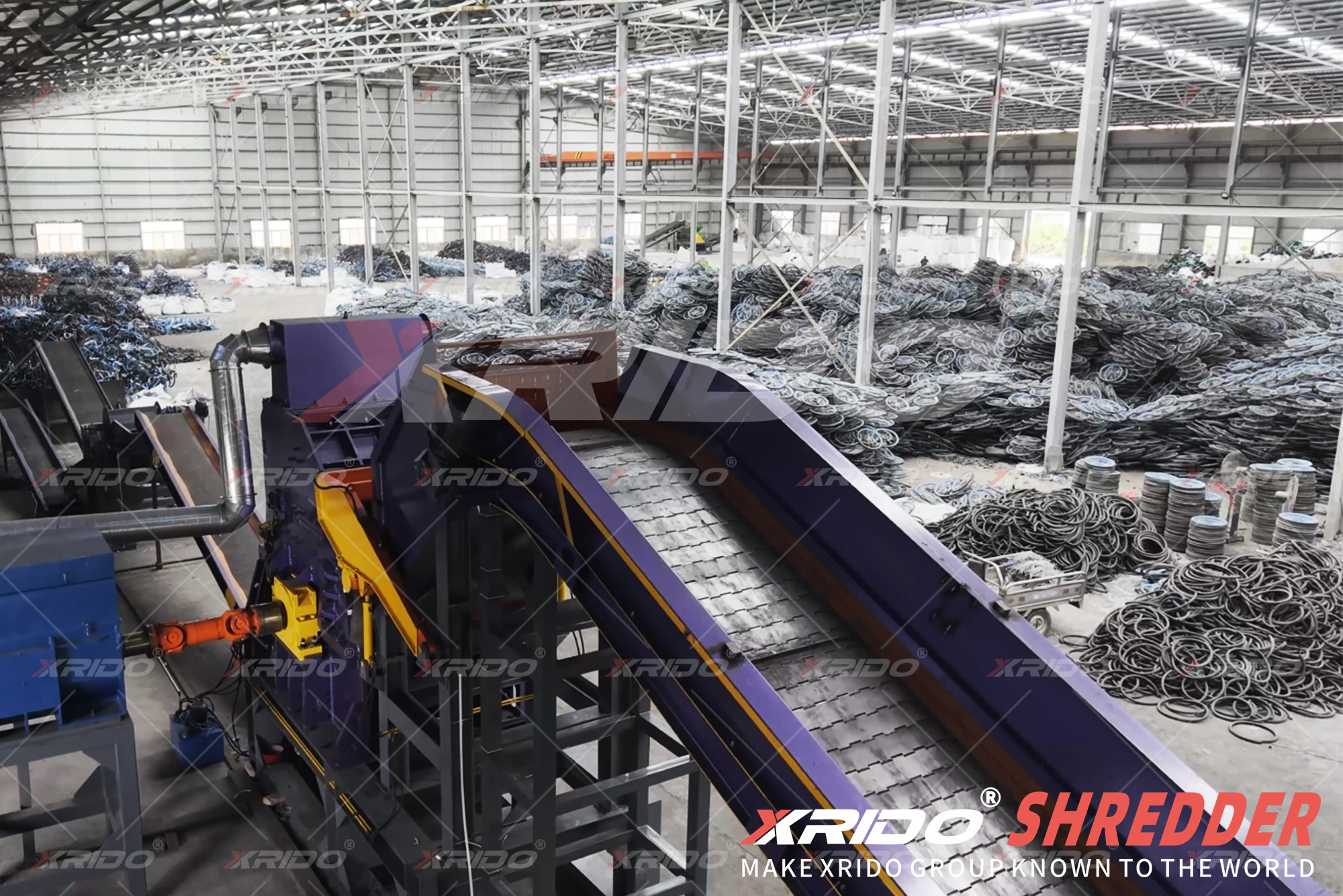
With the upgrading of the waste metal resource utilization industry, large-scale recycling of waste bicycles has moved beyond the traditional manual dismantling model, forming an automated line integrating shredding, crushing, magnetic separation, and eddy current separation. Metal shredders, metal crushers, magnetic separators, and eddy current separators each perform their specific functions and work collaboratively to build a complete waste bicycle recycling system. Among them, the metal crusher, as the core transfer equipment, not only optimizes the crushing process but also significantly improves the working efficiency of the entire sorting equipment, playing an irreplaceable role in cost reduction, efficiency improvement, and quality and quantity enhancement.
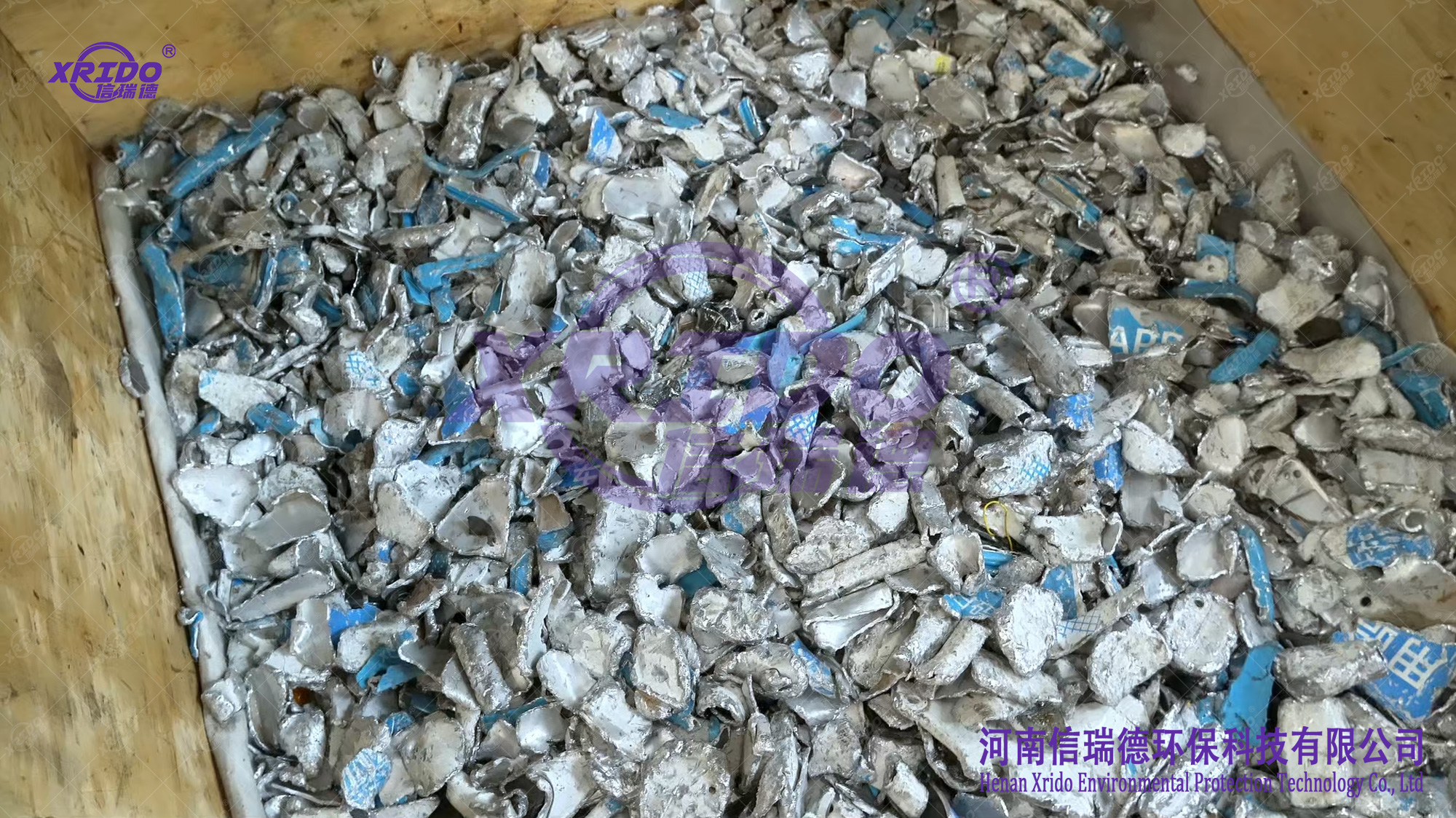
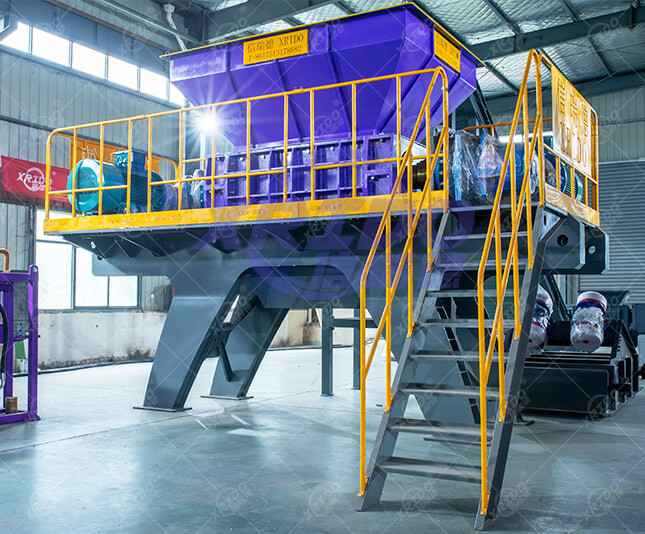
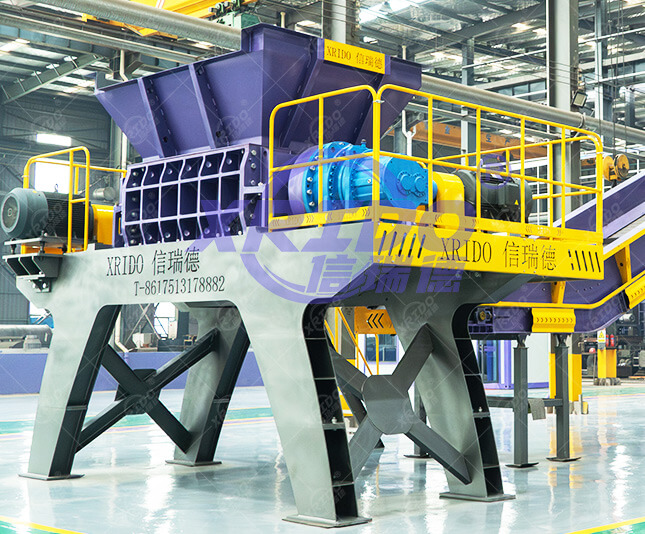
The two-stage crushing combination of scrap bicycle shredders and metal crushers is the optimal process combination for the complex materials of waste bicycles. The metal shredder mainly focuses on coarse processing, solving the problem of difficult feeding and processing of large materials. Its main function is to disassemble the entire bicycle structure, crush large materials, and disperse mixed auxiliary materials. However, its processing precision is limited; it can only achieve physical dismantling and cannot remove stubborn impurities from the metal surface. The material still exhibits impurity encapsulation and metal clumps. The core value of a metal crusher lies in addressing material defects after coarse crushing. Through high-intensity impact grinding, it breaks up clumps of metal, thoroughly removing stubborn impurities and allowing iron, aluminum, and copper to be completely separated into individual particles, creating the prerequisite for subsequent precise sorting.
The processing quality of the scrap bicycle crusher directly determines the operating effect of the magnetic separator. Magnetic separators rely solely on magnetic fields to distinguish between ferromagnetic and non-ferromagnetic materials, requiring extremely high cleanliness and uniformity of the material. Without fine processing by a metal crusher, the material contains many impurities and has large particles. Iron materials are easily encapsulated by impurities, leading to incomplete magnetic adsorption and problems such as scrap iron loss and contamination of non-ferrous metals with iron. After processing by a metal crusher, the pure particles have sufficient exposure of iron materials, allowing the magnetic separator to efficiently and accurately adsorb and separate them, significantly improving the purity and recovery rate of scrap iron and reducing resource waste.
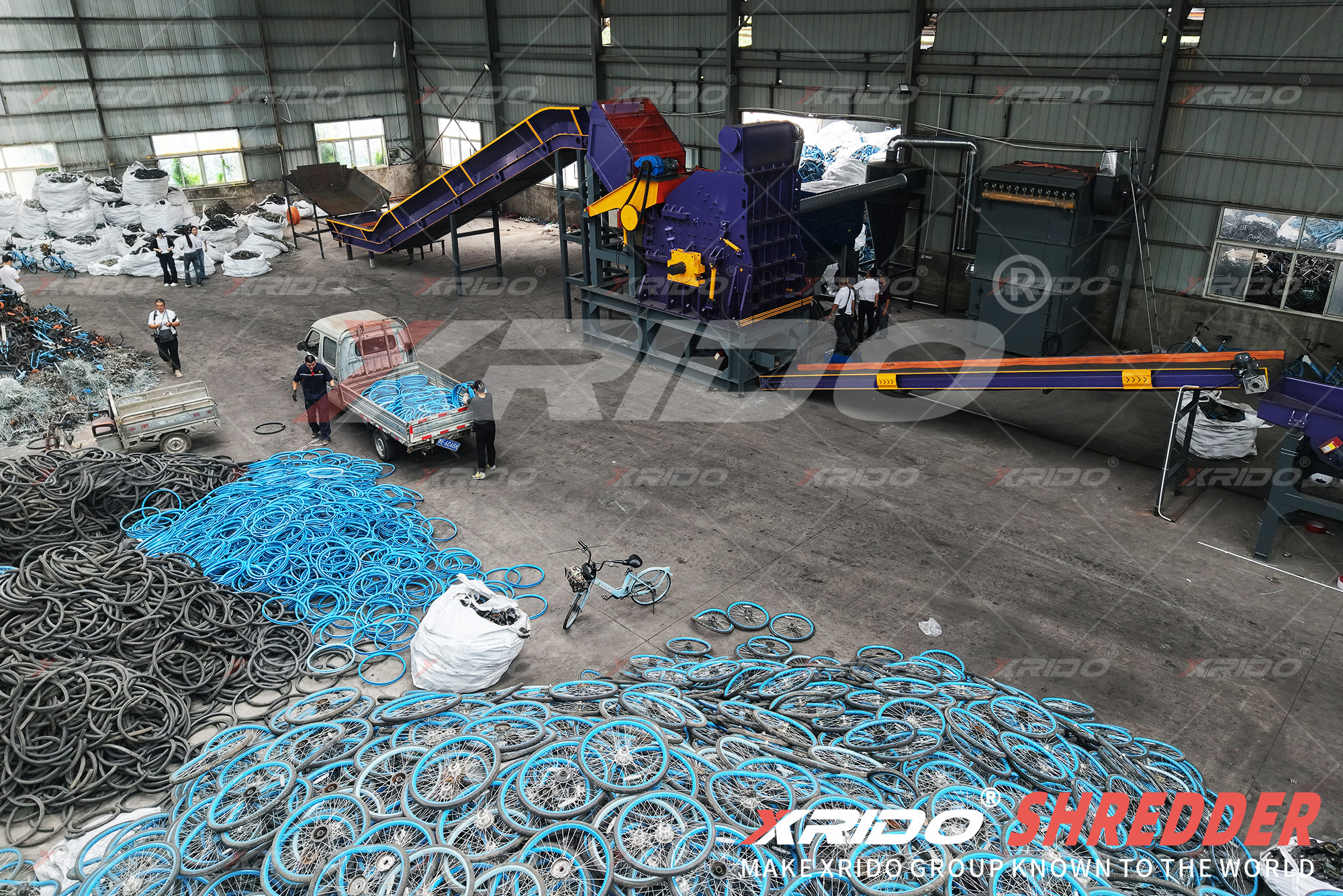
Simultaneously, the fine processing of the metal crusher is a crucial guarantee for the efficient operation of eddy current separators. Eddy current separators, used for sorting non-ferrous metals such as aluminum and copper, have stringent requirements for material particle size uniformity and cleanliness. After crushing and purification, the material is free of large impurities and clumps, with uniform non-ferrous metal particles. This allows for precise separation from dust and non-metallic residues by fully inducing eddy current repulsion in a magnetic field, effectively improving the quality of the finished non-ferrous metal product and significantly increasing the economic value of recycled bicycles.
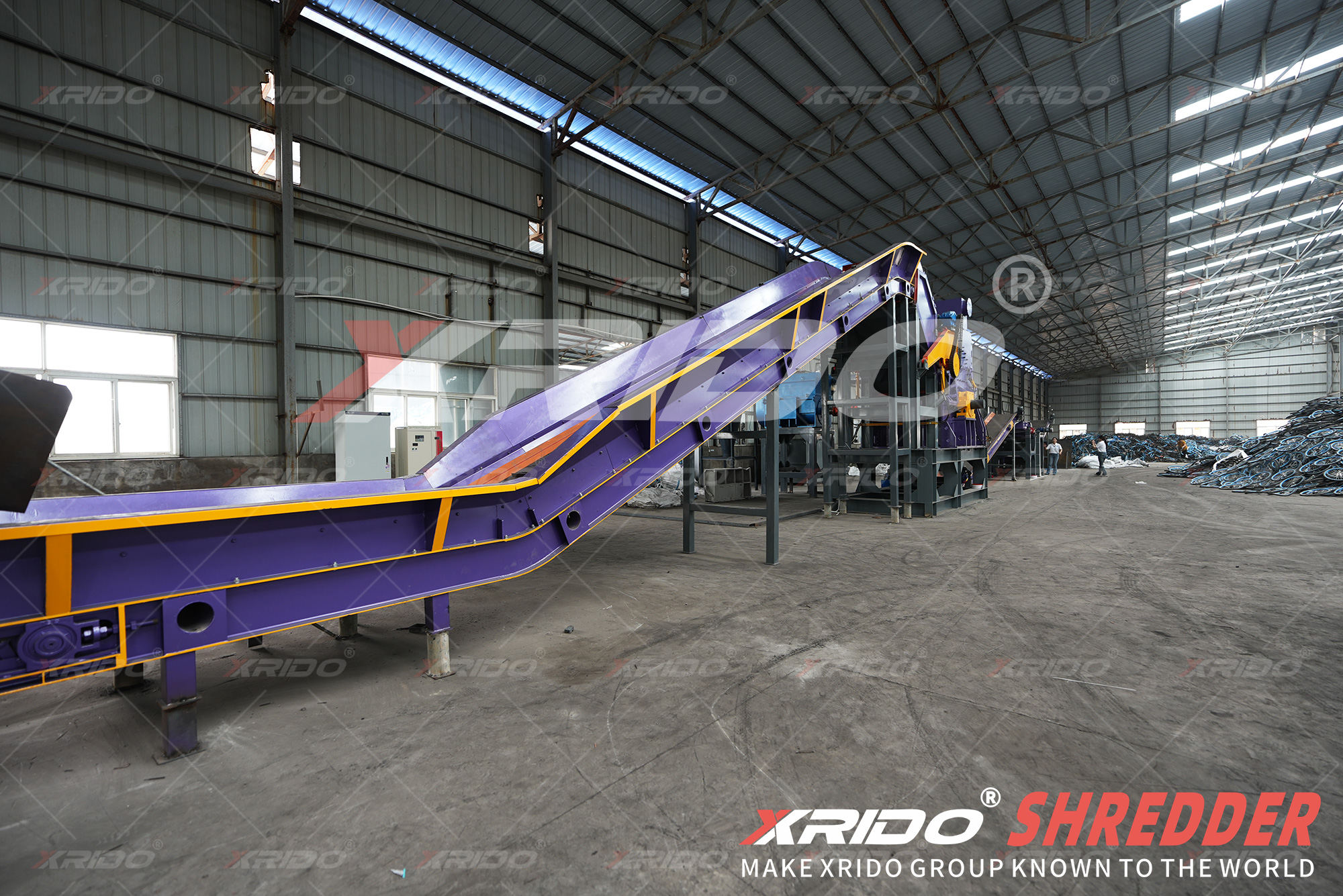
While the metal crusher is an intermediate piece of equipment in the entire scrap bicycle crushing recycling line, it is the core hub connecting the preceding and following processes. Through refined crushing, impurity removal, and material shaping, it perfectly integrates the shredding coarse processing with the sorting fine processing, maximizing the collaborative efficiency of the four machines and helping the waste bicycle recycling plant achieve automated, high-purity, and high-capacity green production.