

Hot Products
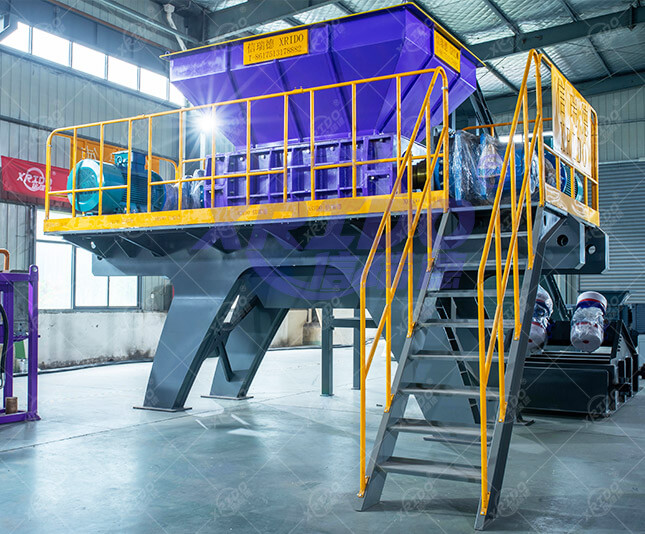
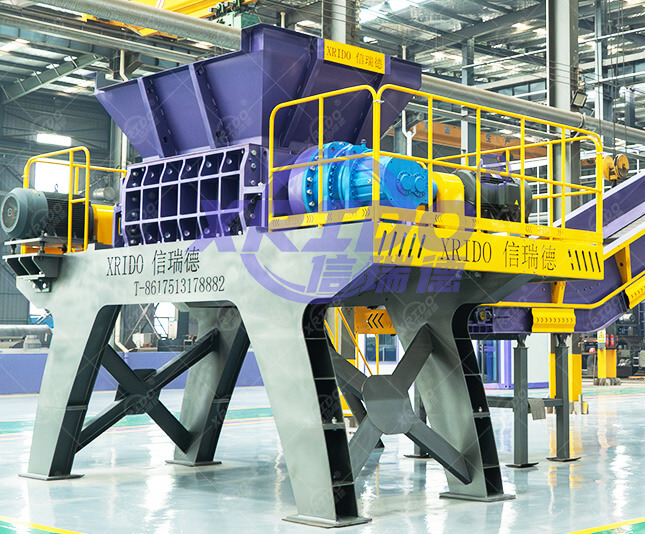
Waste Textile Shredder
A waste textile shredder is a device used to break down waste textiles into fibers or small pieces, primarily for resource recycling or waste reduction. The following is a detailed introduction:
Single-shaft shredders consist of rotating blades mounted on a main shaft and fixed blades mounted on a main body. As the main shaft rotates at a low speed, multiple sets of rotating and fixed blades repeatedly shred the material, generating high pressure to push it toward the discharge end. Under this high pressure, the material is continuously tumbled and ground within the machine body before being extruded through a slot at the end of the machine body and further shredded by a scraper mounted at the end, resulting in a desired size.
Waste Textile Shredder Show:
-
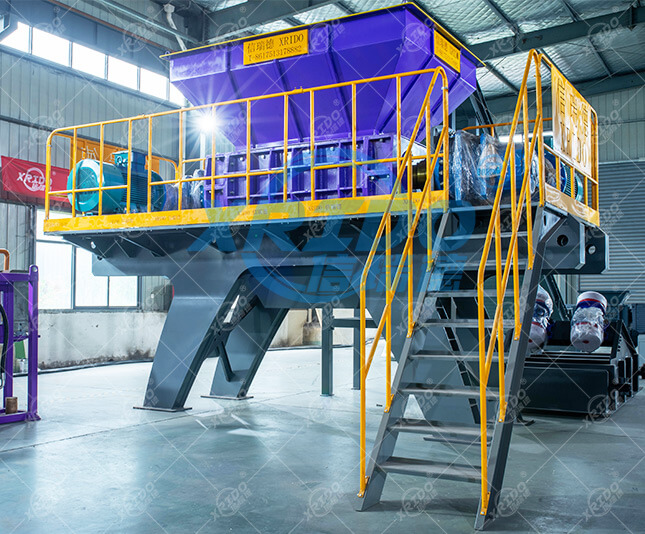
Double shaft Shredder
-

Single shaft shredder
-
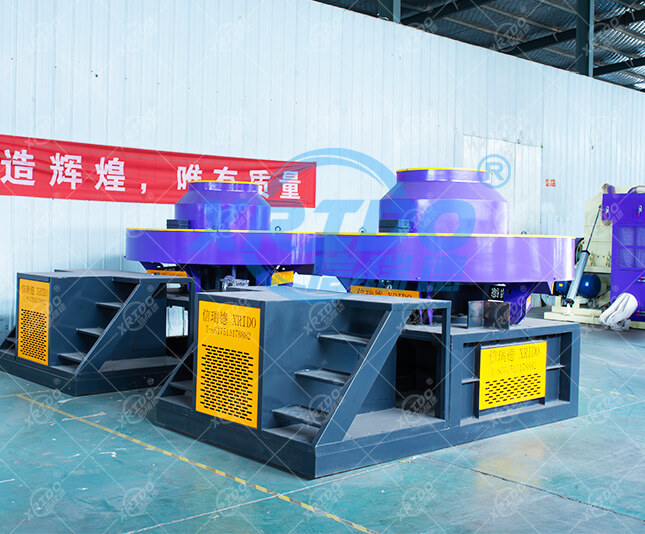
RDF Machine
-
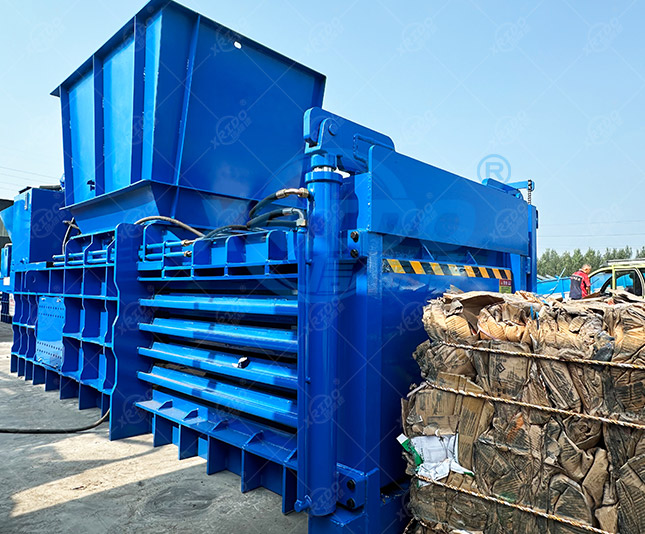
Baler Machine
Single-shaft shredders have a relatively simple structure and a small footprint, making them suitable for processing various types of waste textiles, especially lightweight fabrics. They provide a preliminary shredder for breaking waste textiles into larger pieces, paving the way for subsequent fine processing. Dual-shaft shredders feature two counter-rotating blade shafts with interlaced blades, generating greater shear and tearing forces. Suitable for processing thicker, harder textile waste, such as denim and canvas, as well as clothing containing impurities like metal zippers and buttons.
Features of the Waste Textile Shredder
Low Speed, High Torque: Utilizing a dual-shaft or single-shaft drive, the blades operate at a low speed (typically 50-200 rpm) and utilize high-strength blades to shear, tear, and compress the fabric, preventing fiber entanglement.
Versatile Adaptability: It can process fabrics of varying thicknesses and materials, such as cotton, linen, and synthetic fibers. By adjusting the blade gap and screen aperture, the output particle size can be controlled, resulting in either fibrous or shredded forms.
Low Energy Consumption and Low Noise: Compared to traditional shredders, energy consumption is reduced by over 30%, and noise levels are kept below 85 decibels, making it suitable for use in factories and environmental protection projects.
High Automation: Some advanced textile waste shredders are equipped with automated control systems, such as PLCs, that automate feeding, shredding, and discharging operations, improving production efficiency and reducing manual intervention.


Application Scenarios of the Waste Textile Shredder
Textile Waste Recycling: Processes old clothing, curtains, and fabric scraps. The shredded fibers can be used to make recycled textiles, filling materials, or industrial raw materials, promoting the recycling of textile resources. Comprehensive Waste Treatment: Can collaboratively process mixed materials such as plastic fabrics and fiber products. It can also be used in conjunction with other shredders to pre-process complex waste products such as used home appliances and automotive interiors. Environmental Reduction: Shredding reduces fabric volume, lowering transportation and storage costs while facilitating subsequent incineration, composting, or chemical recycling.