

Hot Products
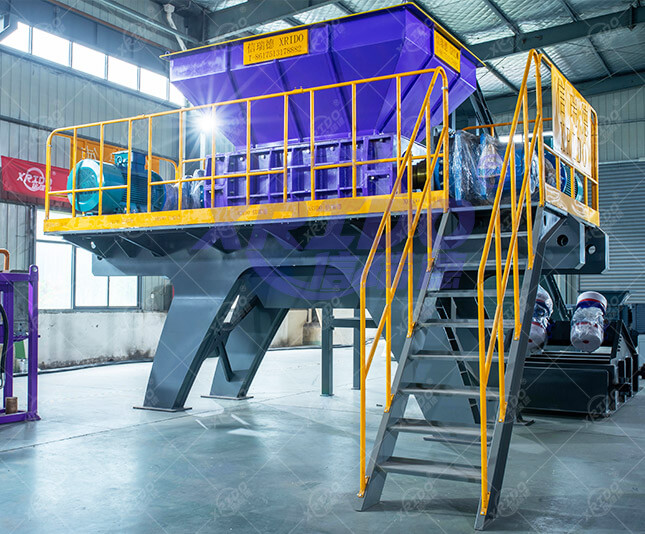
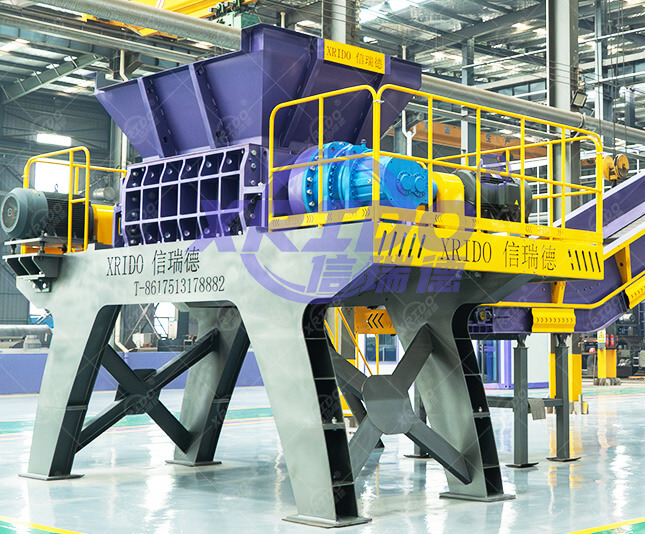
Fabric Waste Shredding Machine
Fabric Waste Shredder: A Key Equipment for SRF/RDF Preparation
In the fields of textile waste treatment and renewable energy, the fabric waste shredder is a specialized crushing device designed for textile waste (mostly cotton, chemical fibers, and blended materials, characterized by their fluffy and tough fibers), such as waste clothing, home textile scraps, and industrial textile scraps. It not only achieves volume reduction and recycling of textile waste but also provides compliant raw materials for the preparation of SRF (Solid Recycled Fuel) and RDF (Recycled Distillate Fuel). It is widely used in textile mills, waste clothing recycling companies, and waste-to-energy plants.
The core structure of this equipment revolves around the design of “fiber cutting + uniform crushing,” employing a multi-set spiral blade and toothed roller combination system. The blades are made of wear-resistant alloy material, and after low-temperature quenching treatment, their hardness reaches HRC58-62, effectively cutting fabric fibers and avoiding “fiber entanglement” problems. For textile waste of varying thicknesses, the equipment is equipped with an adjustable feeding gap pressing device. This device compacts the loose textile before feeding it into the crushing chamber. Through a dual action of shearing and crushing, the waste is broken into uniform fragments of 5-30mm. The equipment’s processing capacity ranges from 0.2 to 8 tons per hour. Smaller models are suitable for decentralized processing at recycling points, while larger models can be integrated into SRF/RDF production lines for batch processing.
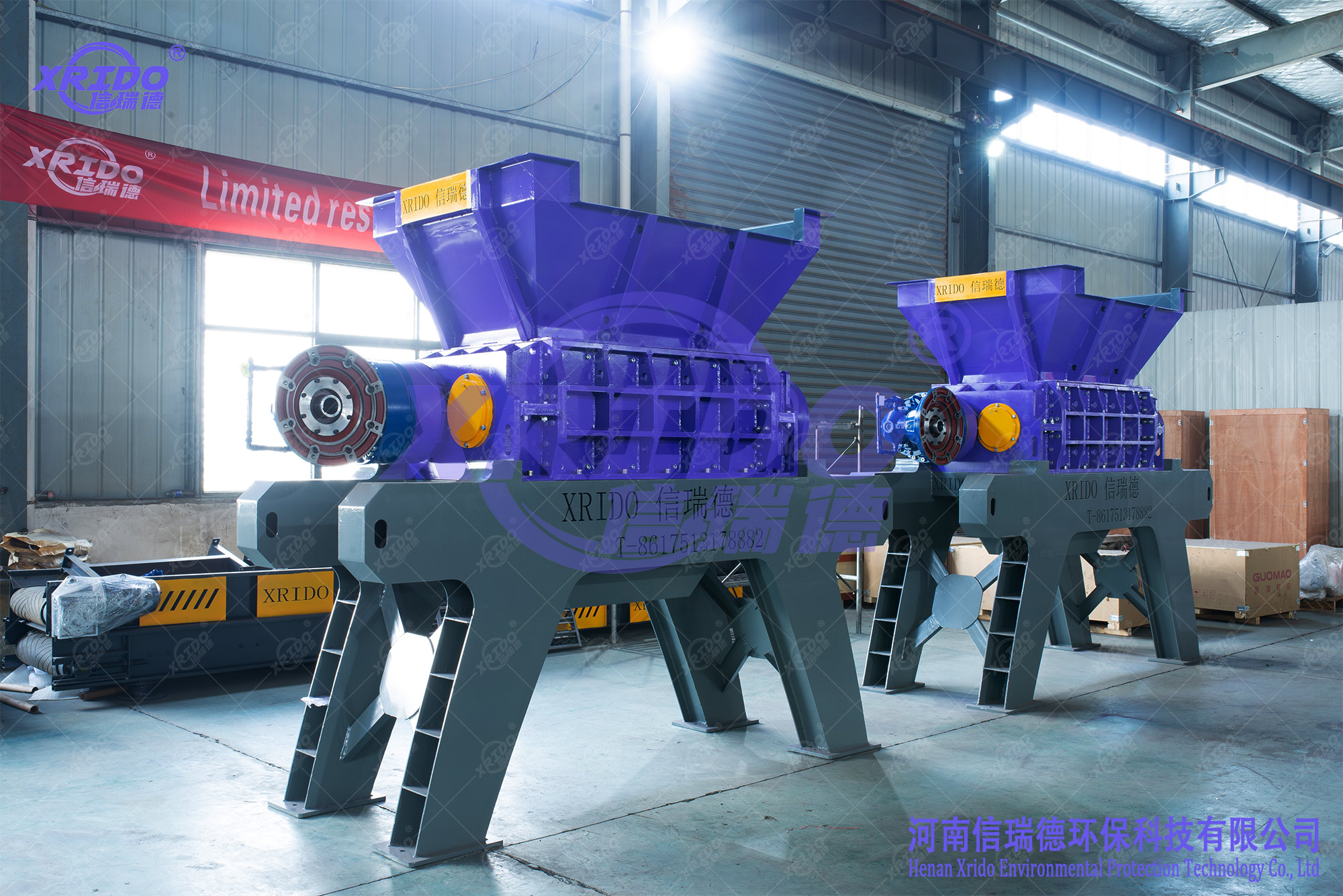
In terms of performance, the equipment balances crushing efficiency with fuel and raw material requirements. The machine body features a sealed design, coupled with a negative pressure dust removal device to collect fiber dust generated during crushing, preventing air pollution. It is equipped with a torque monitoring system that automatically adjusts the cutter shaft speed when fiber accumulation in the crushing chamber exceeds the load, preventing equipment jamming. The moisture content of the crushed textile fragments can be controlled below 15% using a matching drying module, meeting the core requirements of SRF/RDF for raw material moisture content (typically ≤20%).
In the SRF/RDF preparation stage, the textile waste shredder plays a crucial pretreatment role. The shredded textile scraps (containing approximately 40%-50% carbon and a calorific value of 16-20 MJ/kg) can be mixed with other combustible wastes (such as plastic scraps and wood chips) in a specific ratio and extruded to form SRF (Sodium Fuel Recycling Fluid), or used directly as a component of RDF (Sodium Fuel Dioxide), improving fuel combustion efficiency (unshredded textiles are prone to incomplete combustion due to accumulation; after shredding, the specific surface area increases, improving combustion efficiency by over 30%). From an environmental and economic perspective, this equipment can increase the textile waste recycling rate from less than 10% in traditional landfills to over 85%, reducing solid waste pollution and providing low-cost raw materials for energy utilization, thus reducing dependence on fossil fuels.
Regarding operation and maintenance, the equipment uses a simple PLC control system. The touchscreen allows direct setting of parameters such as scrap particle size and processing speed, and workers can operate it after half a day of training. The cutter assembly and toothed rollers feature a quick-release structure, allowing for individual replacement after wear without disassembling the entire machine. The equipment’s operating noise is controlled below 82 decibels, meeting workshop environmental standards and ensuring a comfortable working environment.