

Hot Products
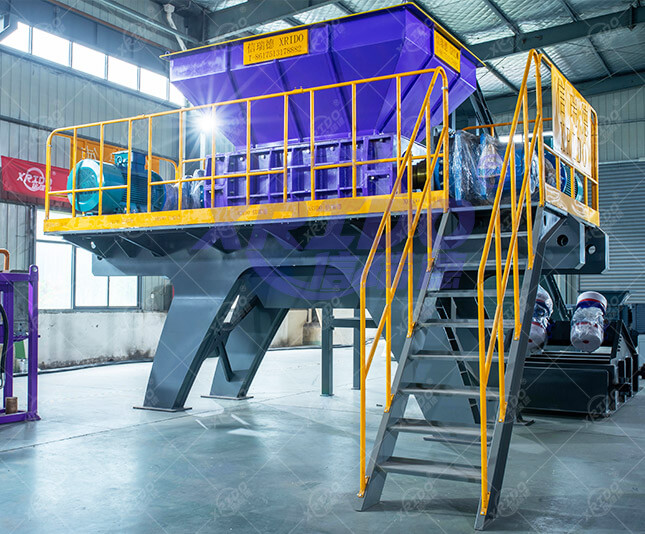
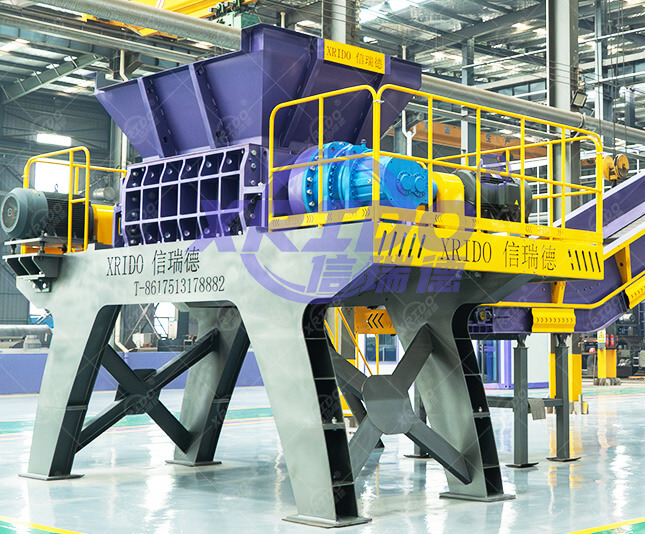
Heavy Duty Solid Waste Shredding System for Plastic Waste
Heavy-Duty Solid Waste Shredding Systems for Plastic Waste: Core Equipment for Efficient Resource Utilization
Faced with the pressure of processing hundreds of millions of tons of plastic waste globally each year, traditional crushing equipment struggles to meet the demands due to insufficient processing capacity and poor adaptability. Large-scale solid waste shredding systems specifically designed for plastic waste, through the integration of technologies such as “high capacity, strong adaptability, and precise sorting,” have become a key infrastructure for the resource utilization of plastics.
I. System Composition and Core Equipment
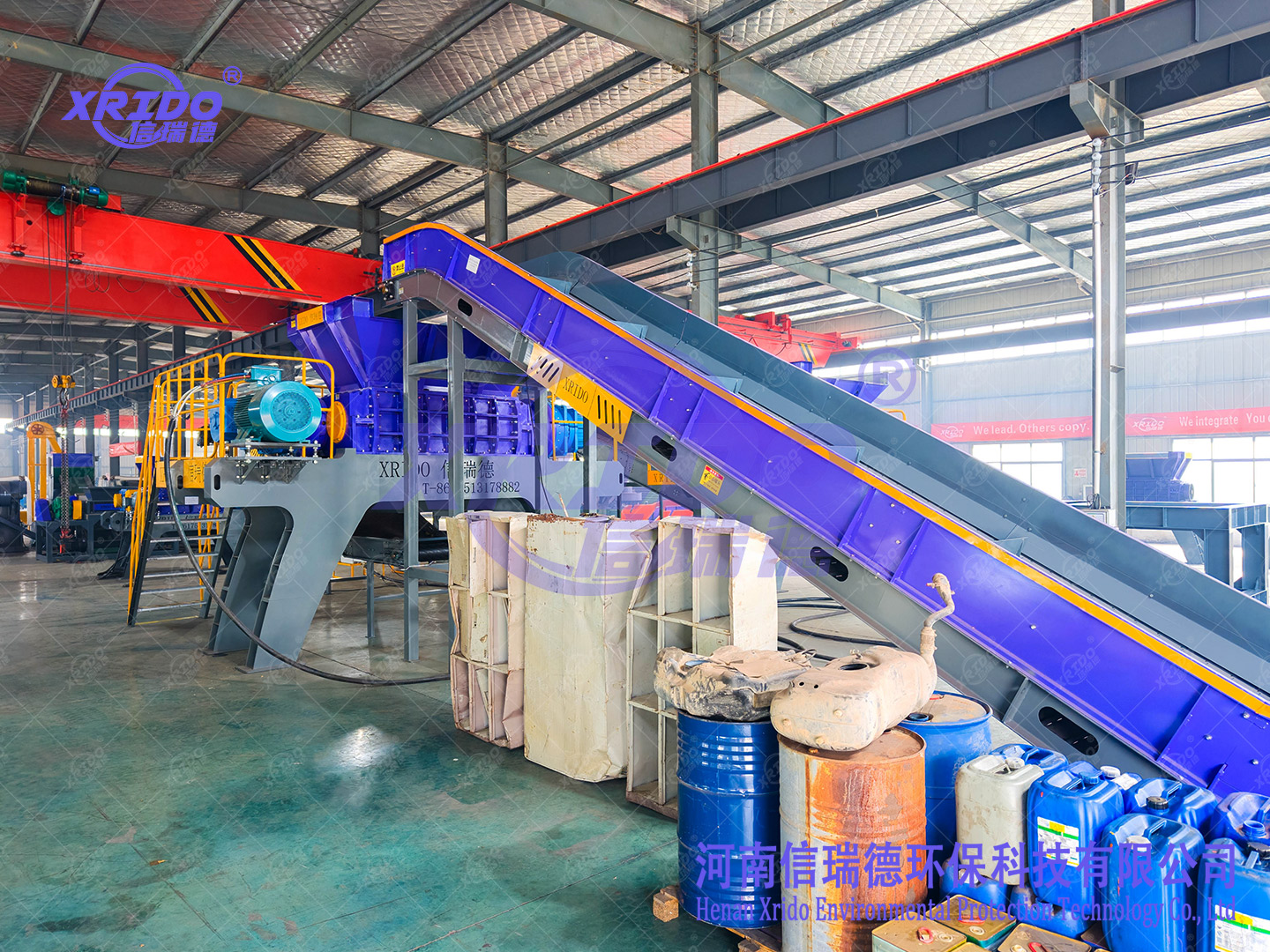
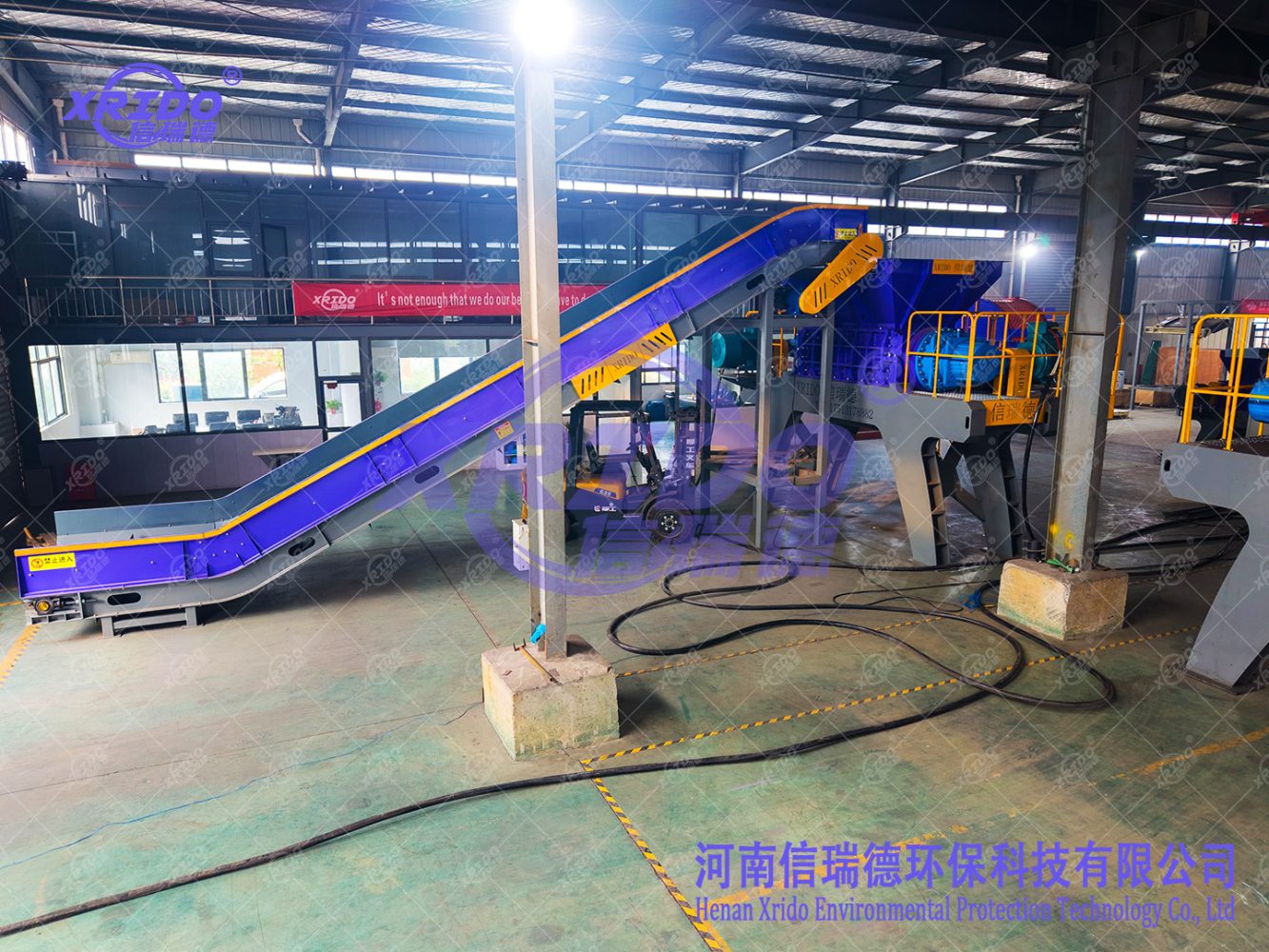
This system centers on a heavy-duty shredder, typically employing a composite structure of “dual-shaft shearing + coarse crushing pretreatment,” adaptable to the high-intensity processing requirements of mixed plastic waste (such as PE, PP, PET, PVC and composite films, injection molding waste, etc.). The main crusher features a 600-1000mm diameter blade roller equipped with high-wear-resistant alloy blades (hardness HRC60-62, surface overlaid with tungsten carbide), capable of withstanding impacts from hard impurities (such as metals and stones) in plastic waste. The blades are arranged in a staggered pattern, using a combination of shearing and compressive forces to directly crush large-volume plastics (such as ton-bag films and large injection molded parts) into uniform blocks of 50-150mm, with a processing capacity of 10-30 tons/hour (single machine). The pre-treatment module includes a belt conveyor, magnetic separator (to remove ferromagnetic metals), and eddy current separator (to separate non-ferrous metals such as aluminum), ensuring the purity of the material entering the crusher. Some systems also include a shredding pre-processor (twin-shaft low-speed shredder) to first break down entangled plastics (such as plastic bags and films) into medium-sized blocks of 200-300mm, reducing the load on the main crusher.
II. Technological Breakthroughs and Adaptability
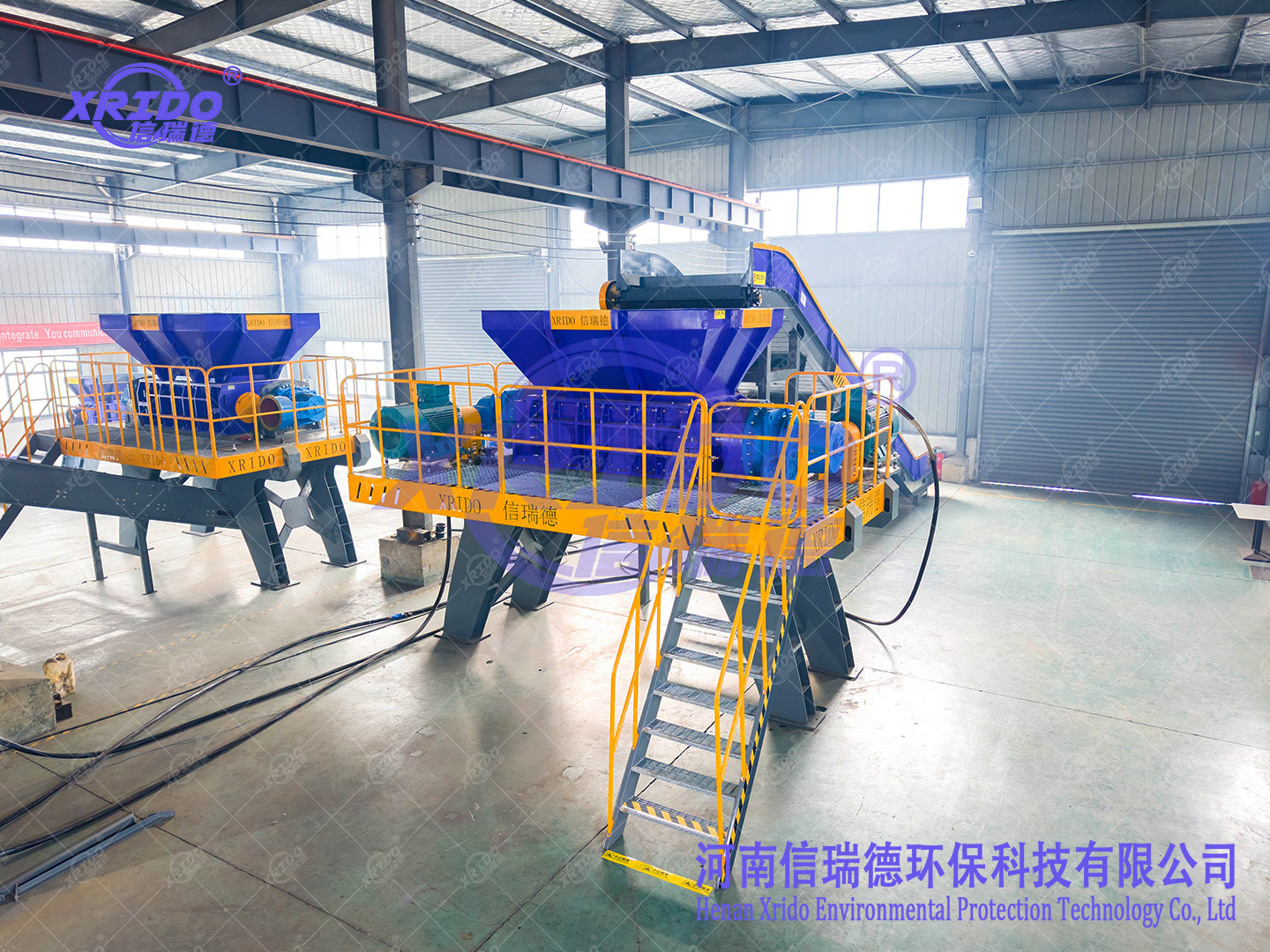
Addressing the complexity of plastic waste (such as variations in moisture content and mixed compositions), the system integrates several innovative technologies: ① Dynamic blade adjustment system – Real-time adjustment of the cutter roller gap (accuracy ±1mm) via a hydraulic device, adapting to plastics of varying thicknesses (from thin films to thick sheets); ② Anti-entanglement design – A guide plate at the feed inlet disperses the material, and the cutter roller speed is controllable (80-150rpm), preventing long fibers or films from entangled in the blades; ③ Wear-resistant protection – Key components (bearing seats, cutter shafts) are made of stainless steel or surface-coated, combined with a water-cooling system to reduce friction temperature, extending blade life to 3-5 times that of ordinary equipment. The system also supports modular expansion, allowing for the addition of crushing stages (e.g., secondary fine crushing to 20-50mm) or connection to an RDF/SRF preparation line (drying and granulation modules) as needed.
III. Resource Utilization Value and Environmental Benefits
Plastic waste processed by this system can be used for recycling and granulation (producing new plastic products), RDF/SRF fuel (calorific value 18-25MJ/kg, replacing coal), or chemical raw material extraction. Taking a project processing 100 tons of plastic waste per day as an example, the system can produce 80-100 tons of uniform particles smaller than 50mm per hour, with a plastic recycling rate exceeding 90% and a metal separation purity >95%. Compared to manual sorting or small-scale equipment, energy consumption is reduced by 20%, dust emissions are <10mg/m³, and noise is <85dB. This system not only solves the pain points of “difficult processing and low recycling rate” of plastic waste, but also provides a “source solution” for the plastic circular economy through large-scale, high-efficiency crushing, promoting the transformation of “white pollution” into “green resources.”