

Hot Products
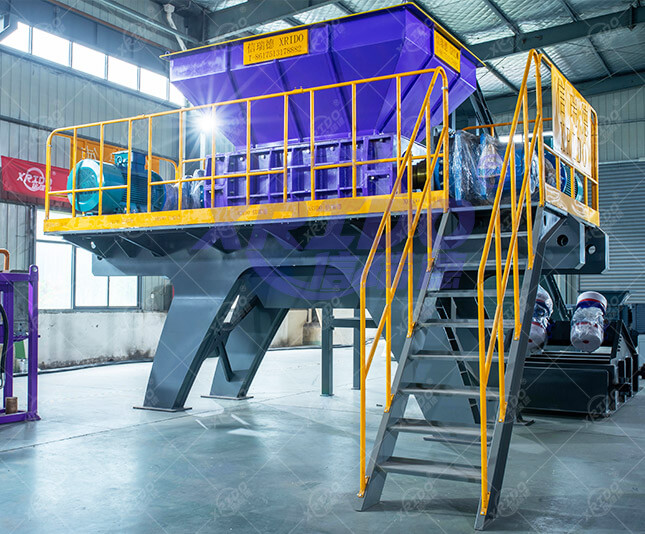
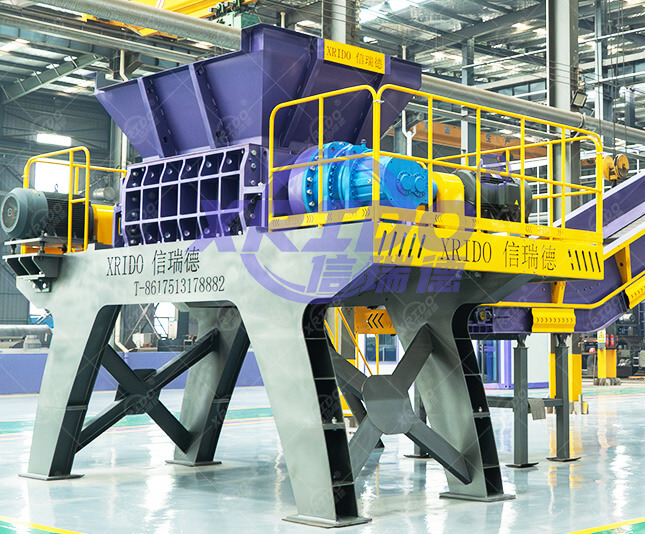
Solid Waste Shredder for FRP Processing Project
Solid Waste Shredders for FRP Processing Projects: Key Equipment for Composite Material Recycling
In FRP (fiber-reinforced plastic) processing projects, scrap, discarded parts, and defective products can account for 10%-15% of the total output. This solid waste is characterized by high hardness, toughness, and difficulty in degradation—the glass fibers or carbon fibers are tightly bonded to the resin matrix, making traditional shredding equipment prone to problems such as rapid blade wear, entanglement and blockage, and fiber breakage. Solid waste shredders specifically designed for FRP processing, through structural innovation and material optimization, have become core equipment for the efficient recycling of FRP solid waste.
I. Targeted Design to Solve FRP Processing Challenges
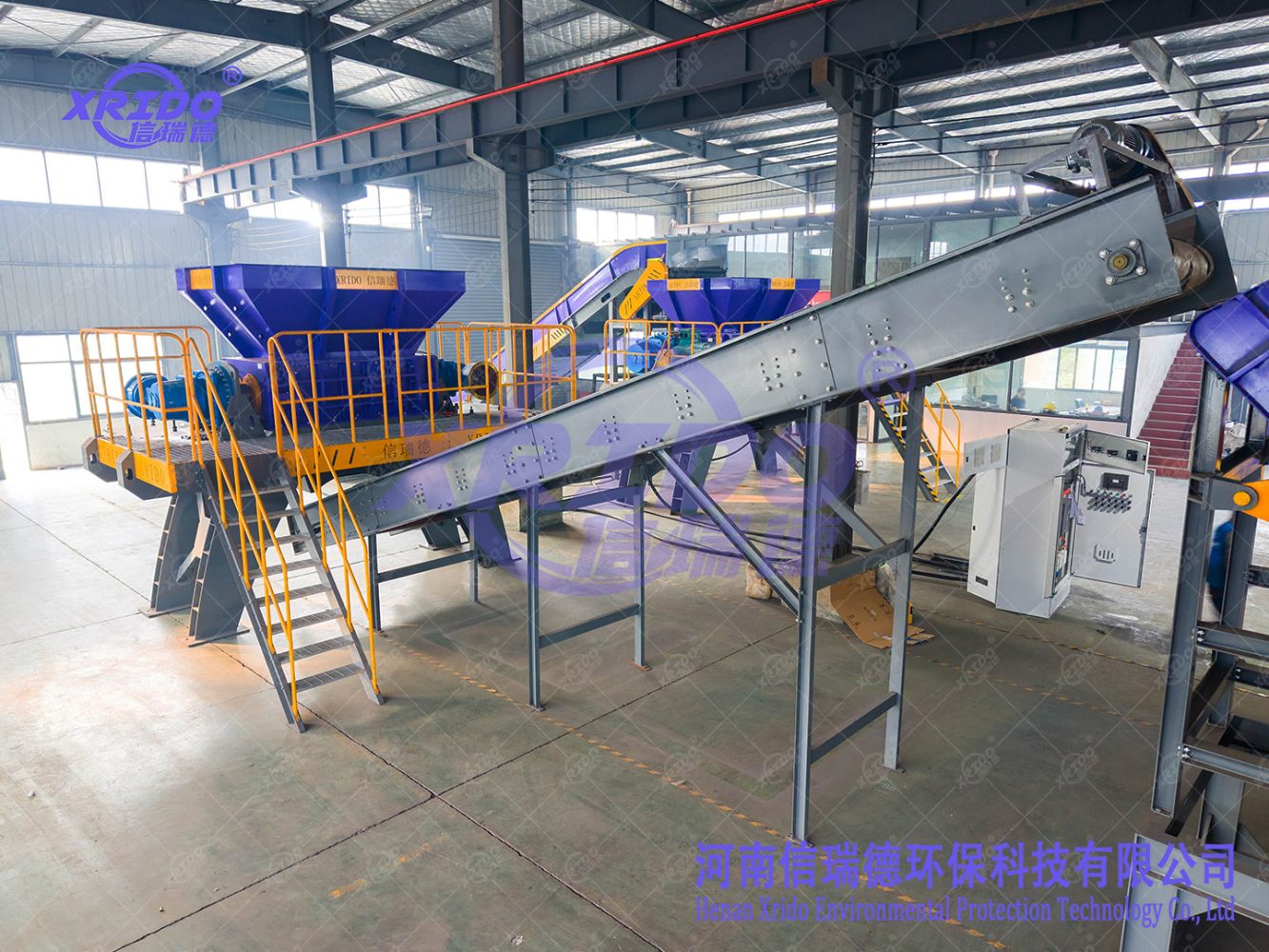
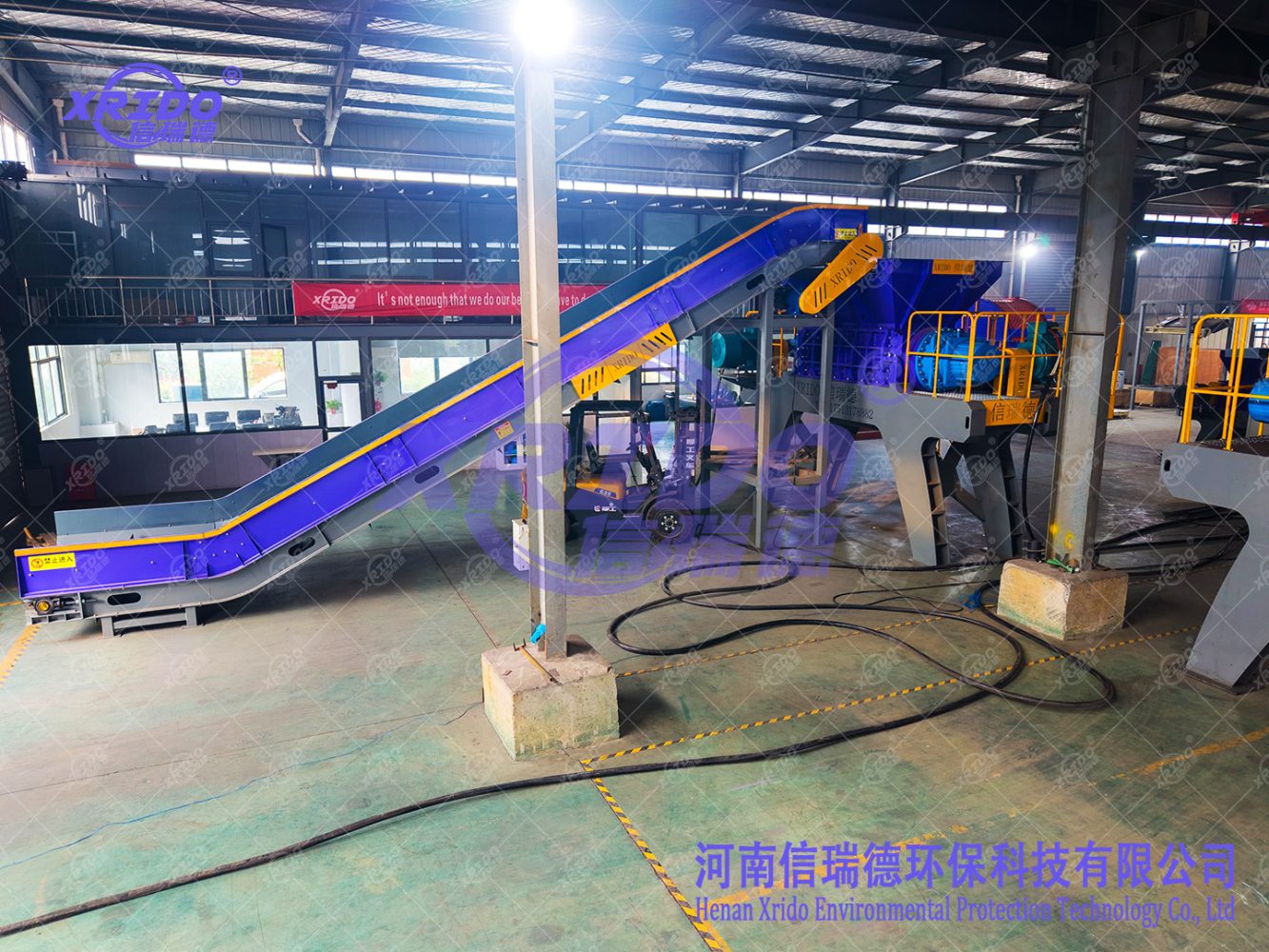
The FRP solid waste shredder adopts a composite structure of “dual-shaft shearing + coarse crushing pretreatment”: the main cutter roller has a diameter of 500-800mm and is equipped with high-chromium molybdenum alloy blades (hardness HRC60-62, surface coated with tungsten carbide), which can withstand the high-intensity impact of FRP (impact toughness increased by more than 3 times); the blades are arranged in a staggered pattern, using shearing force to initially crush large-sized solid waste (thickness 5-50mm) such as fiberglass/carbon fiber boards and pipes into medium-sized blocks of 100-300mm. Addressing the tendency of fibers to entangle, the equipment integrates an anti-entanglement guide plate and an intermittent cutter roller structure (blade spacing adjustable 10-20mm) to prevent long fibers from knotting and clogging during crushing. Some high-end models are equipped with a preheating module (electric heating or hot air circulation) to locally heat the FRP solid waste to 60-80℃ (softening the resin matrix without damaging the fibers), reducing its overall toughness and improving crushing efficiency.
II. Crushing Effect and Subsequent Recycling Value
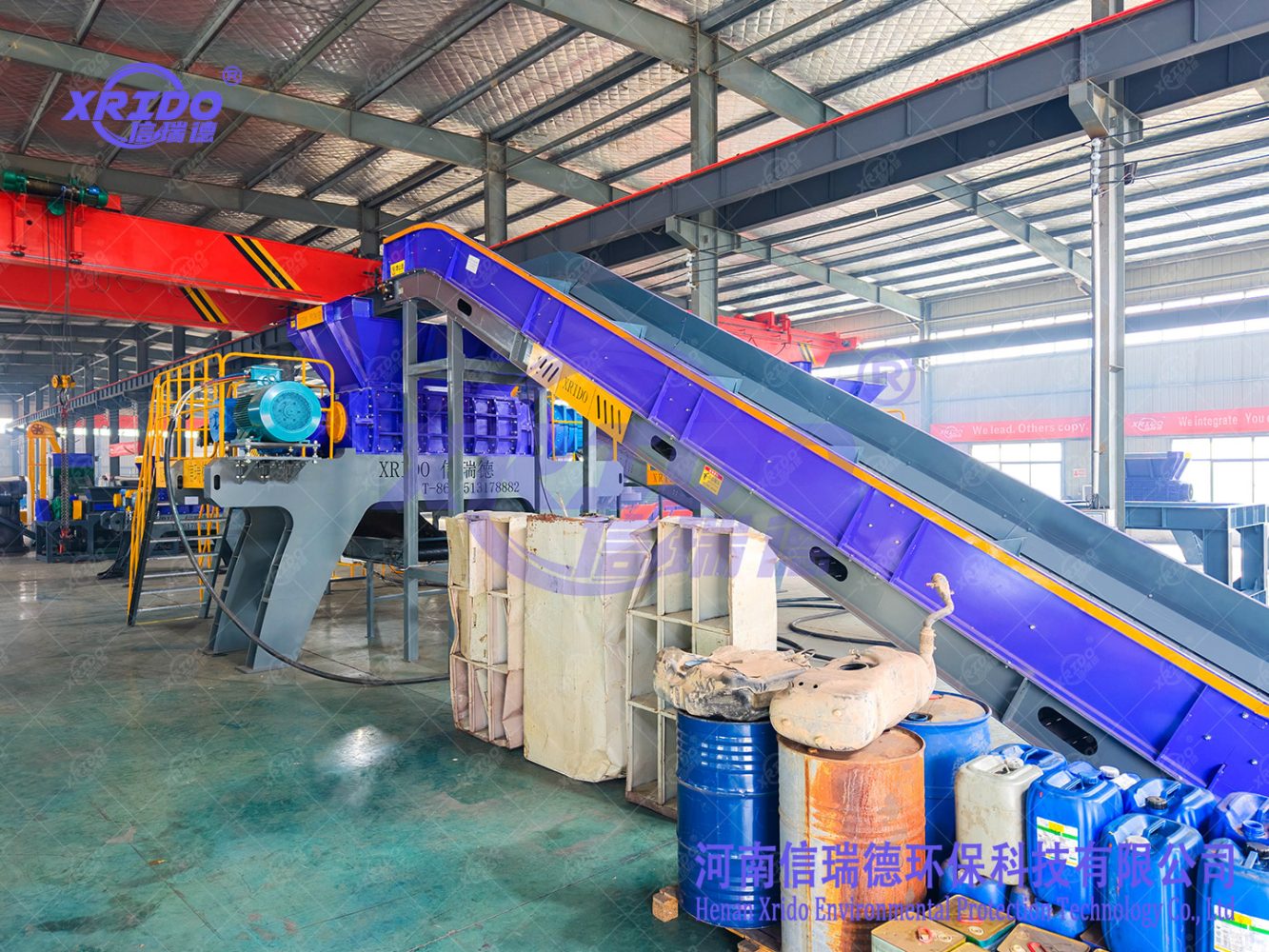
After processing by the shredder, FRP solid waste is broken down into uniform blocks of 50-150mm (fiber retention length >30mm, ensuring that the mechanical property loss of subsequently recycled fibers is <15%). These crushed materials can be directly used for: ① secondary processing of low-strength composite material products (such as pallets, guardrails, etc.); ② as an additive in RDF (waste-derived fuel) (FRP has a high calorific value of 35-40MJ/kg, far exceeding ordinary plastics), replacing coal in industrial kilns after drying and granulation; ③ further separation of fibers and resin through grinding equipment to recover high-purity fibers (carbon fiber recovery rate >90%, glass fiber recovery rate >95%) for the preparation of new composite materials.
III. Technical Advantages and Environmental Benefits
This shredder adopts a modular design, allowing for quick blade replacement according to FRP type (glass fiber/carbon fiber/hybrid fiber); key components (bearings, seals) are made of corrosion-resistant materials to withstand the chemical erosion of the resin matrix. Compared to traditional manual dismantling or extensive crushing, its processing efficiency is increased by 5-8 times (daily processing capacity of 5-10 tons per unit), the blade life is extended to more than 3 times that of ordinary equipment, and dust and noise control meet environmental protection standards (dust concentration <10mg/m³, noise <85dB). Under the “dual carbon” target, FRP solid waste shredders reduce solid waste landfill through resource utilization (reduction rate >80%), while the recovered high-performance fibers can reduce the raw material cost of new material production, promoting the transformation of the FRP industry towards green manufacturing.