

Hot Products
How Are Waste Aluminum Alloy Window Profiles Recycled?
September 29 2026
Recycling process for waste aluminum alloy window profiles: A shredding, crushing, and sorting line enables efficient aluminum recycling.
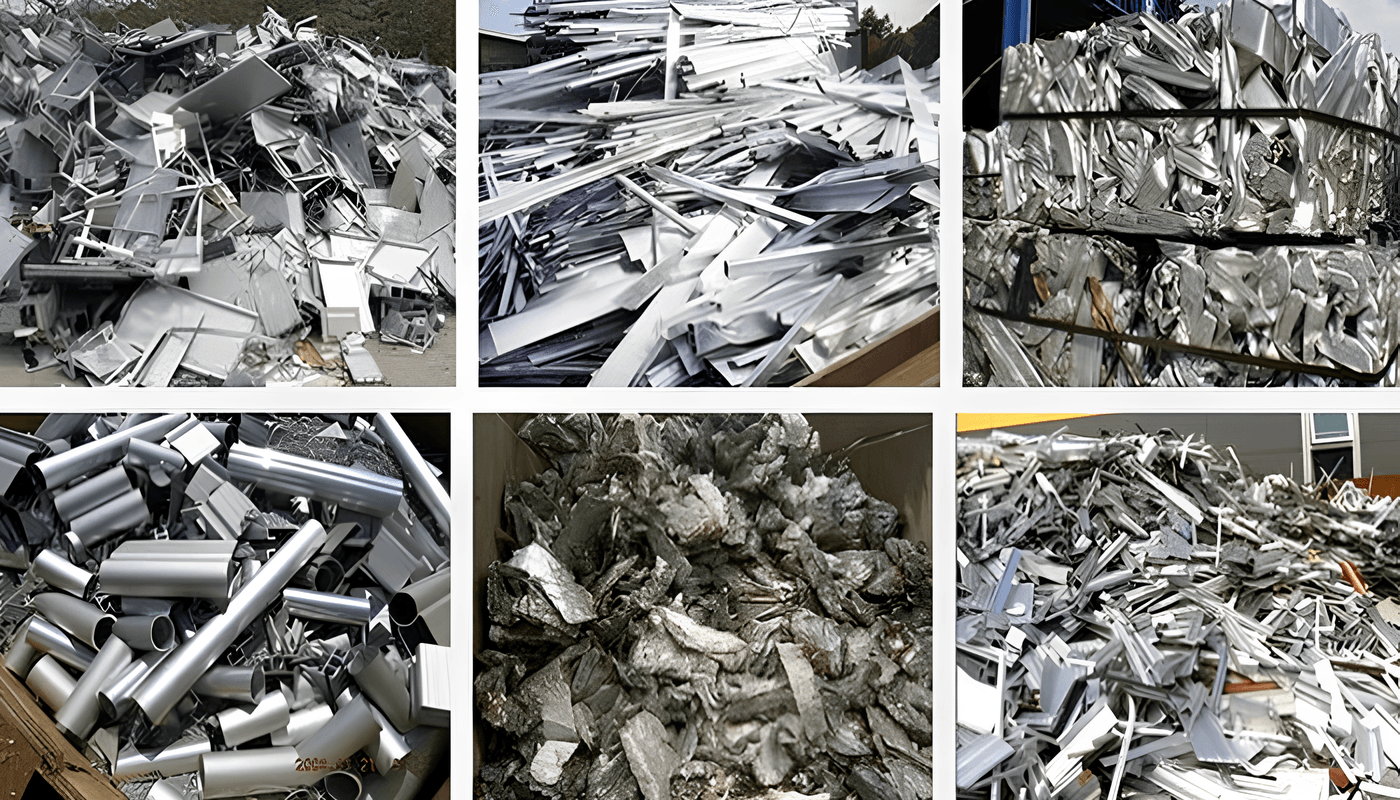
As home renovation and building refurbishment projects continue, large quantities of waste aluminum alloy door and window profiles are generated. Waste aluminum alloy windows are high-value recyclable metal products; recycling aluminum consumes only about 5% of the energy required to produce primary aluminum, offering significant economic and environmental benefits. Manually dismantling waste aluminum profiles—which are often contaminated with rubber strips, glass, plastic, and hardware—is inefficient. Consequently, waste aluminum alloy window profiles shredding sorting lines have become the mainstream solution for companies recycling waste aluminum doors and windows.
 Recycling waste aluminum alloy window and door profiles presents significant challenges. Dismantled profiles often retain nylon thermal breaks, rubber seals, residual glass, and hardware components, and some feature surface coatings. Manually separating thermal breaks is labor-intensive, and large, bulky profiles take up valuable space; furthermore, standard crushing equipment struggles to handle long, framed sections. The mixture of aluminum with non-metallic impurities means that direct remelting would degrade aluminum ingot quality and drastically reduce market value. However, an integrated waste aluminum alloy window profiles crushing sorting line for waste aluminum profiles automates the entire process—volume reduction, crushing, and separation—effectively resolving these recycling pain points.
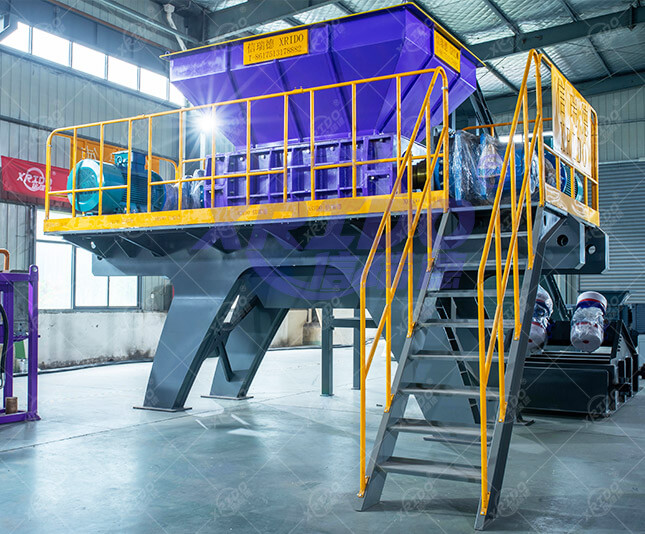
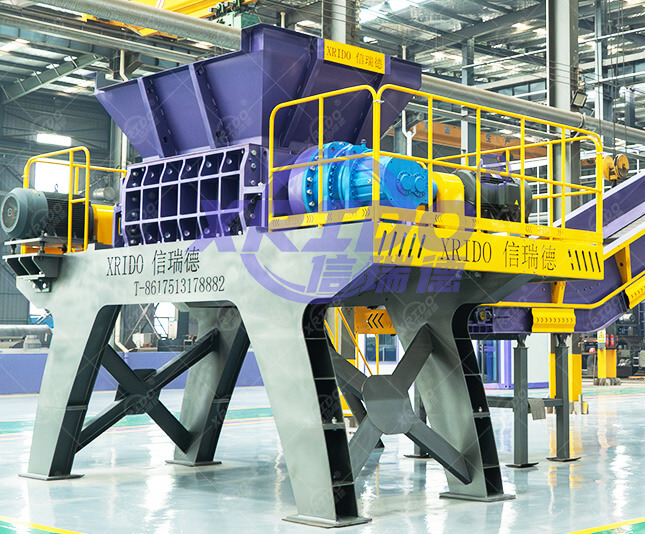
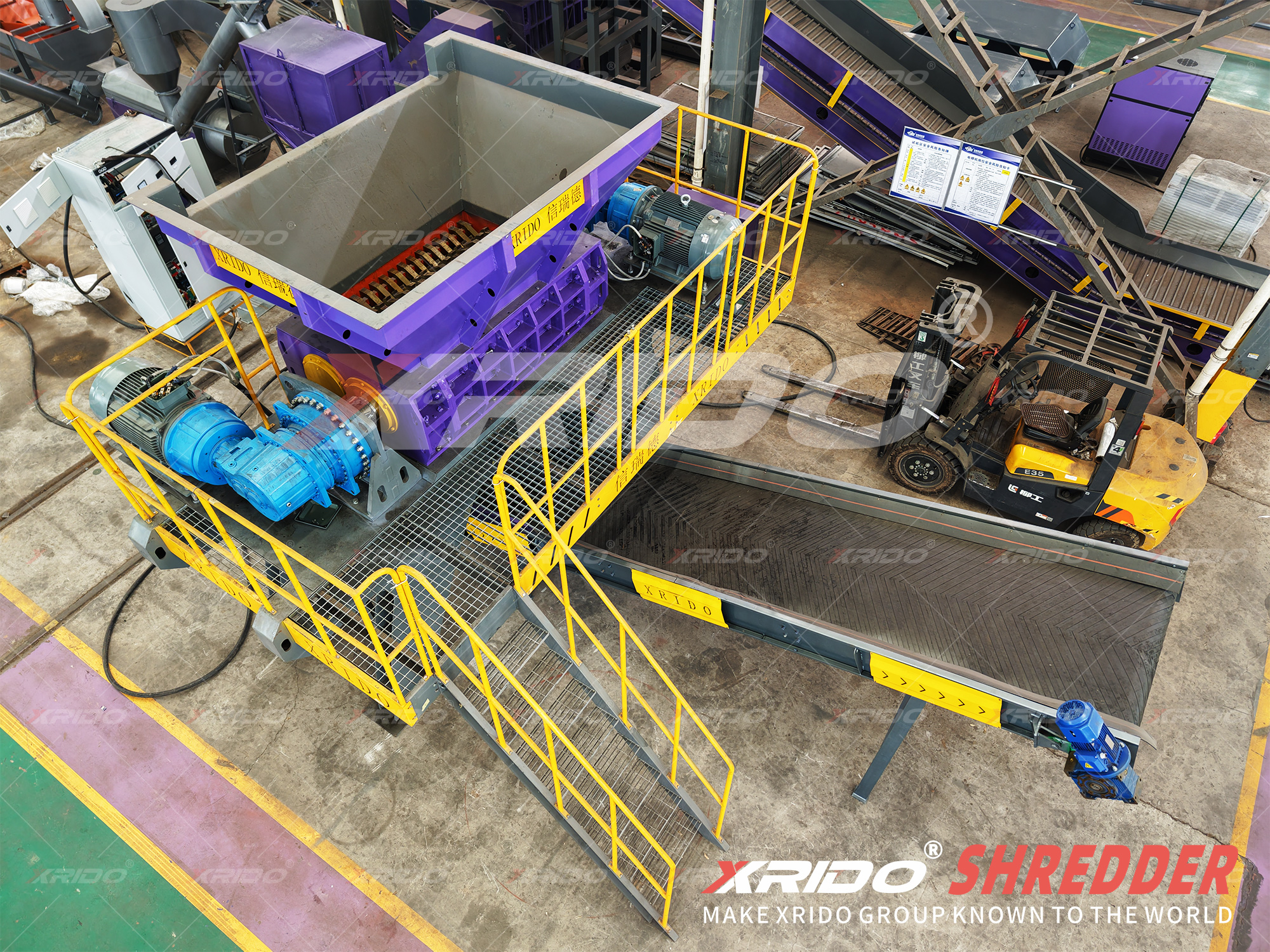
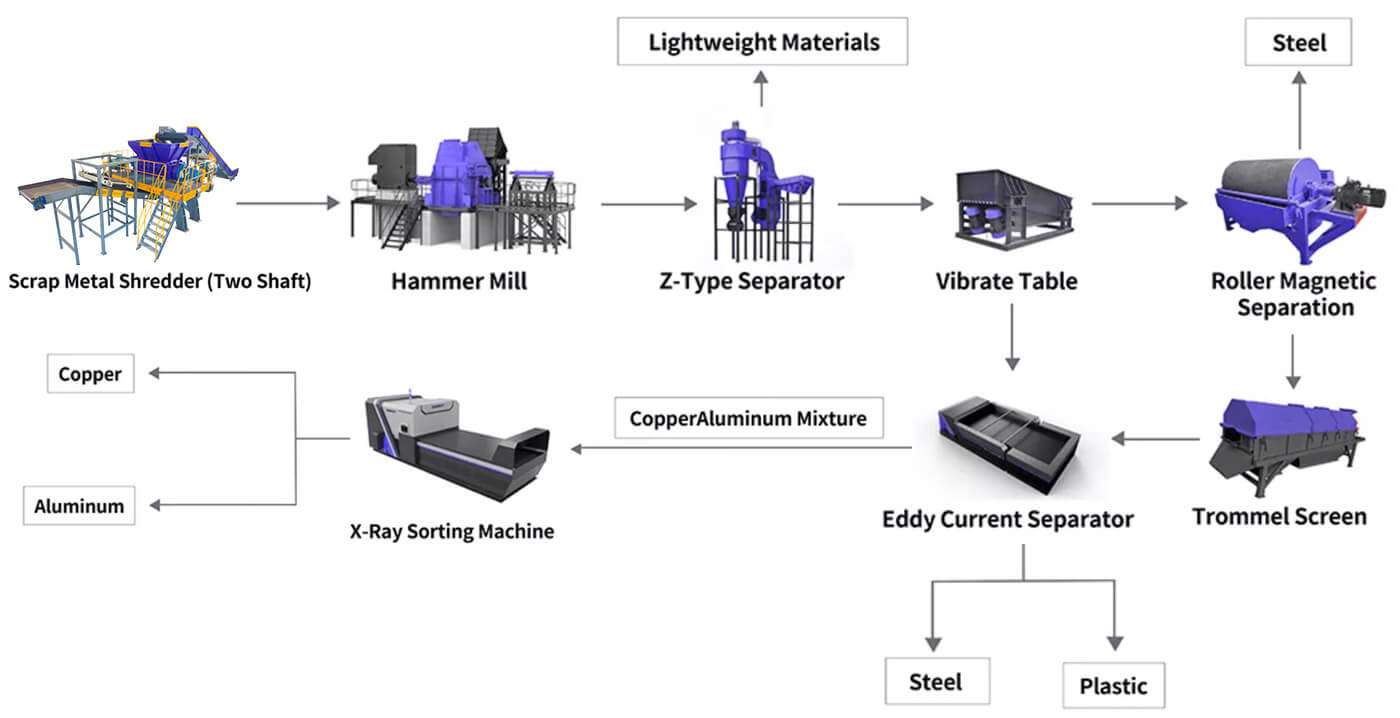
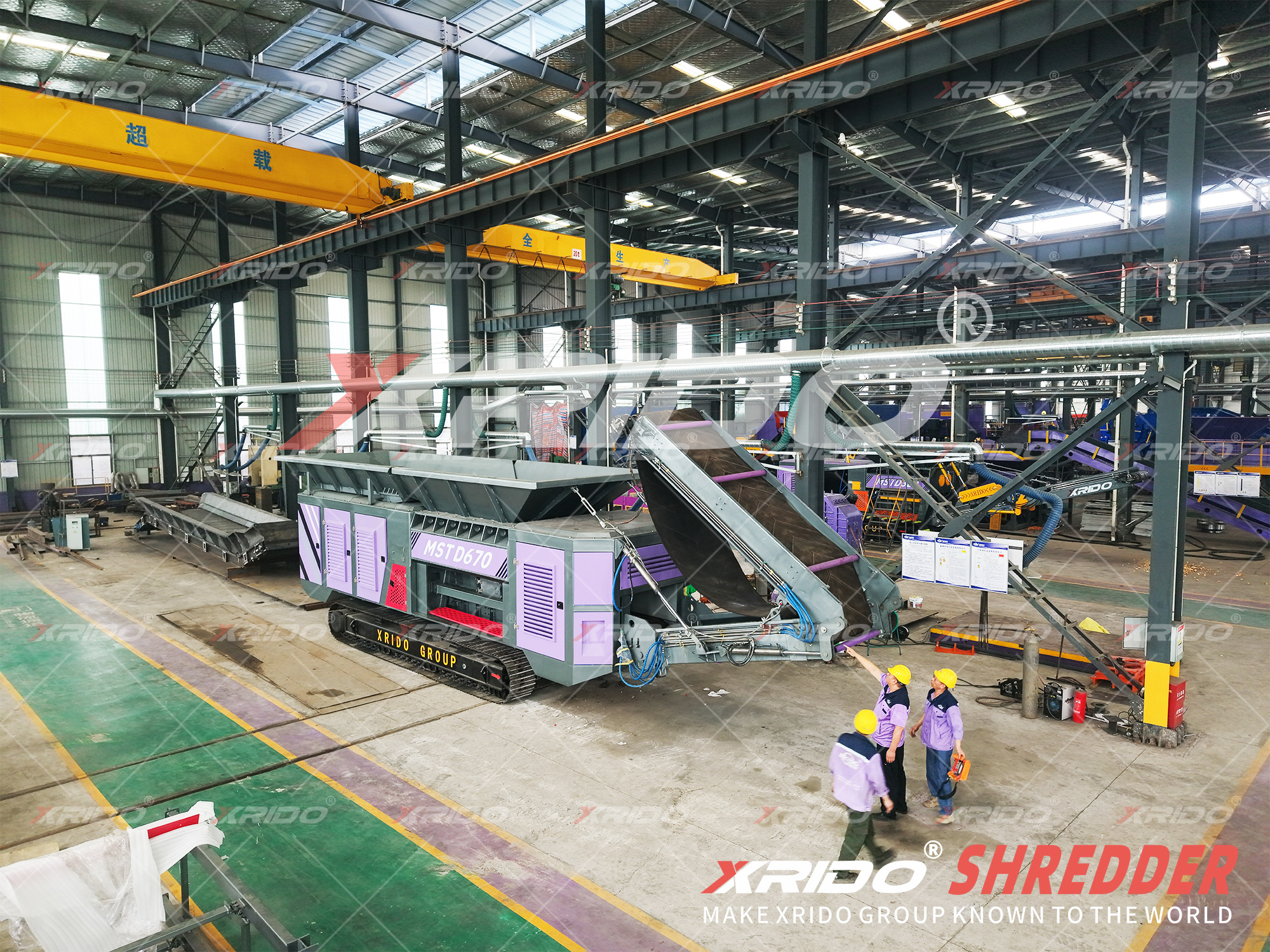
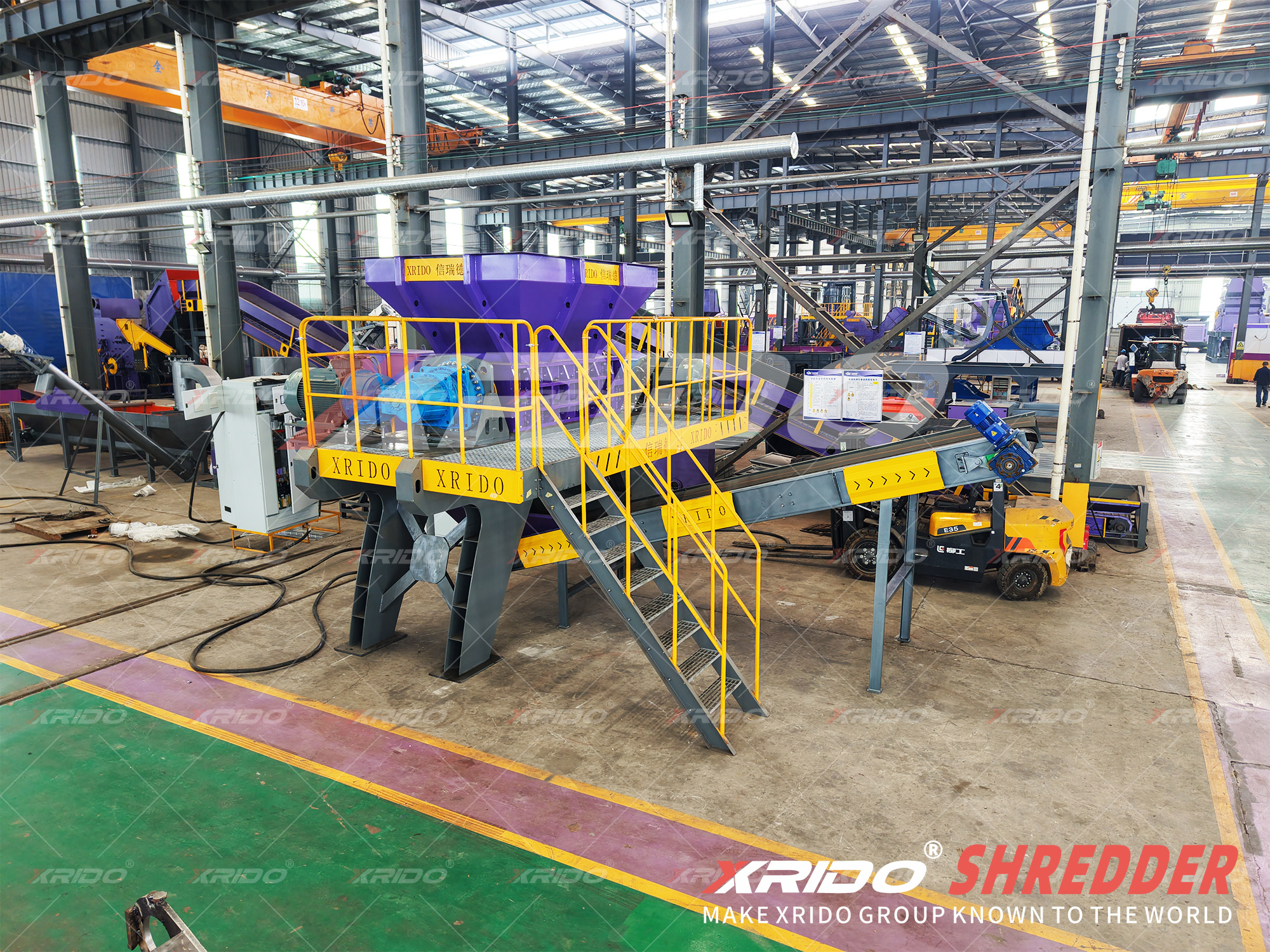 The core equipment of the complete recycling line consists of two main modules: a waste aluminum shredder and a downstream crushing and sorting system. First, waste aluminum profiles are fed into a dual-shaft metal shredder for the coarse shredding of long aluminum window frames and complete door/window assemblies. The machine’s robust cutting assembly shears large profiles into uniform, smaller pieces, preliminarily detaching adhered glass and rubber strips while reducing material volume to facilitate subsequent transport and processing. This shredding stage handles mixed feedstocks of varying lengths—including those with minor hardware attachments—offering high tolerance for input variations, preventing jams caused by long materials, and effectively preparing the feedstock for the next crushing stage.
 After undergoing primary coarse crushing, the material enters the crushing and sorting line. A high-speed scrap aluminum crusher further reduces the size of the aluminum pieces, effectively liberating nylon thermal breaks, rubber, and glass fragments. The production line integrates various sorting technologies: gravity air separators remove lightweight plastics and rubber; magnetic separators automatically extract iron screws and hardware fittings; and eddy current separators precisely separate aluminum from other non-metallic materials, ultimately yielding high-purity, clean aluminum. The entire line operates continuously and automatically, replacing extensive manual labor and significantly reducing sorting costs. Separated plastic and glass impurities can also be collected by type for reuse, enabling comprehensive resource recovery.
 Utilizing shredding and sorting processes to recycle scrap aluminum profiles offers distinct advantages. On one hand, the purified aluminum is of consistent quality and can be sent directly to smelters for remelting into recycled aluminum billets or profiles, thereby increasing recovery returns. On the other hand, the line operates in an enclosed environment, minimizing dust pollution and complying with environmental regulations. Equipment specifications can be customized to meet capacity requirements, making the solution suitable for everything from small-scale collection sites to large-scale solid waste processing enterprises.
 Recycling scrap aluminum from construction is a vital component of the circular economy. By leveraging scrap aluminum profiles shredders and crushing sorting lines designed for aluminum alloy window profiles, discarded doors and windows are transformed from mere construction waste into valuable recycled resources. As the market for building renovation and renewal continues to expand, automated crushing, sorting, and recycling solutions are poised to become the preferred choice for enhancing quality and efficiency in the scrap aluminum recycling industry.