

Hot Products
Scrap Aluminum Alloy Window and Door Profiles Shredder
How Shredders for Aluminum Alloy Door and Window Profiles Can Boost Recycled Aluminum Profits Under Greece’s New Construction Waste Regulations.
Driven by the EU’s wave of building renovations and the implementation of Greece’s new solid waste recycling policies, the local construction waste recycling industry is undergoing a comprehensive upgrade. The Greek market is dominated by “thermal break” aluminum profiles from leading brands like Alumil and ETEM; the renovation of aging residences, coastal vacation rentals, and commercial buildings generates vast quantities of scrap aluminum door and window profiles. Aligned with Greece’s upcoming 2026 aluminum deposit-return scheme and EU circular economy standards, shredders for aluminum alloy profiles—integrated into complete Scrap Aluminum Alloy Window and Door crushing and sorting lines—have become essential equipment for Greek recyclers to ensure regulatory compliance, produce high-purity recycled aluminum, and maximize core profitability.
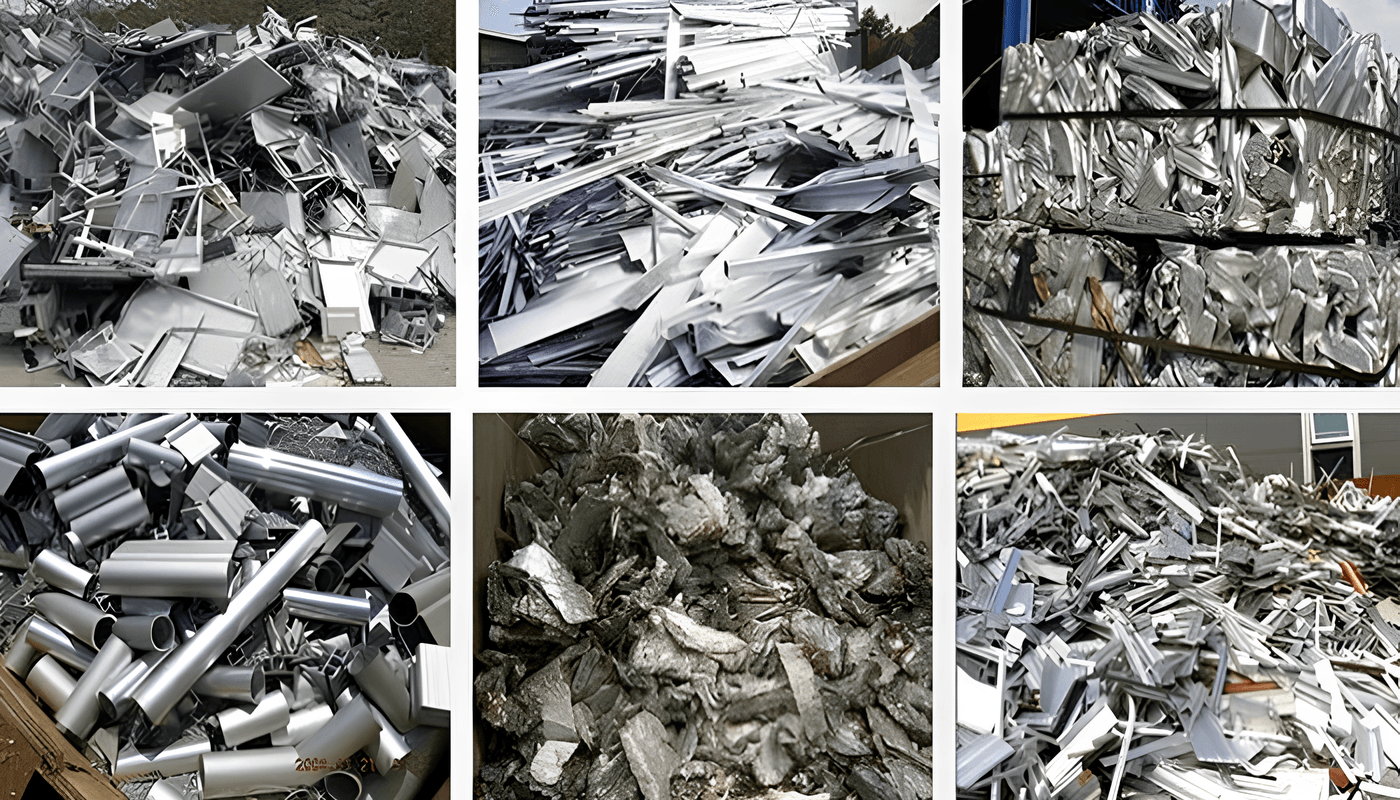
Compared to general aluminum scrap recycling, the recovery of aluminum doors and windows in Greece involves strict local standards and specific industry challenges. Mainstream Greek thermal break profiles feature nylon thermal barriers, weather-resistant sealing strips, powder coatings, and iron hardware. Prolonged exposure to coastal environments—characterized by high salinity and intense UV radiation—causes severe aging and adhesion of components, making it impossible to completely separate impurities through manual dismantling. Furthermore, leading Greek aluminum companies have adopted “Loop60” and “Loop80” standards (requiring high percentages of recycled content), which demand exceptional raw material purity; contaminated scrap cannot be used for high-end profile production and must be sold at low prices, drastically squeezing profit margins. Additionally, crude recycling methods fail to meet EU environmental compliance audits.
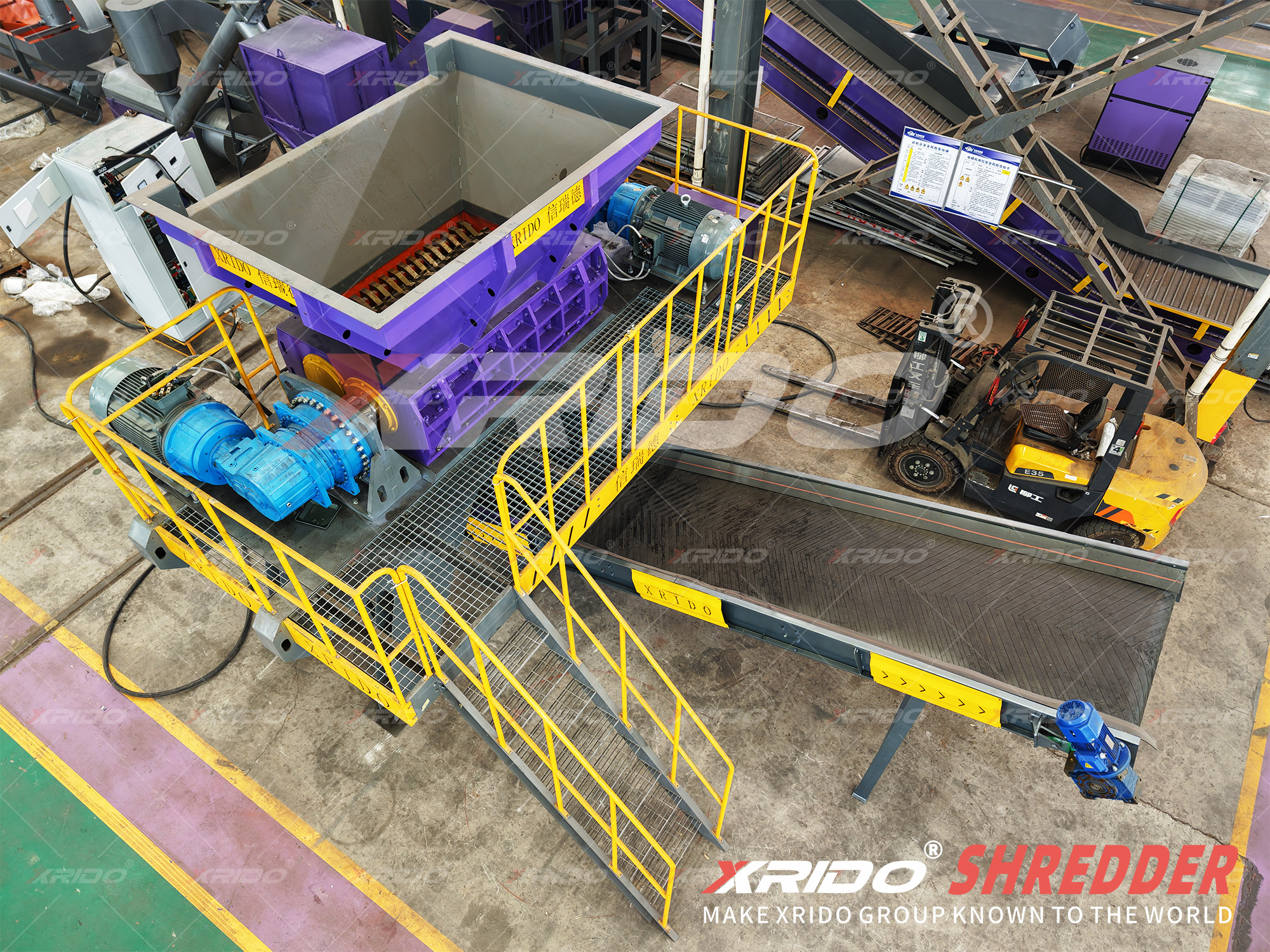
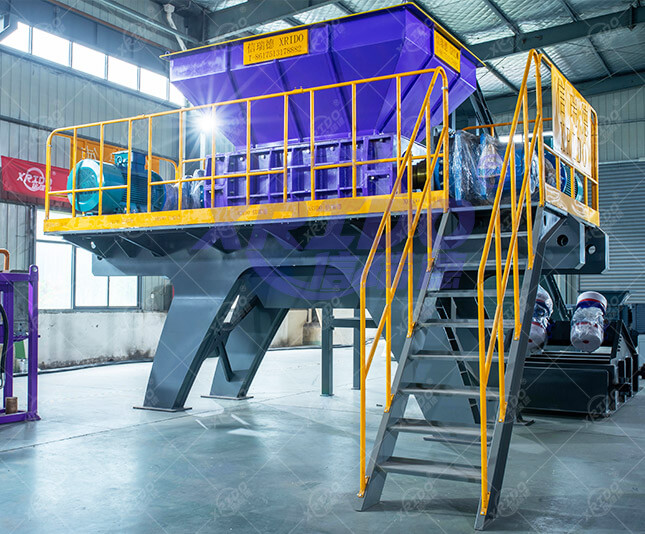
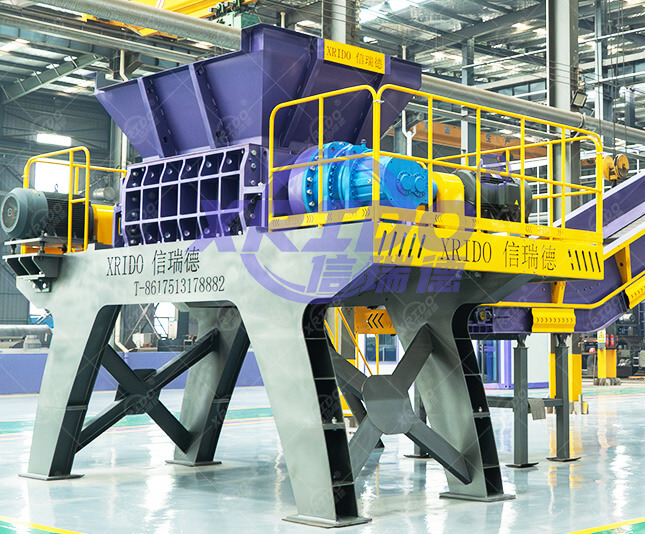
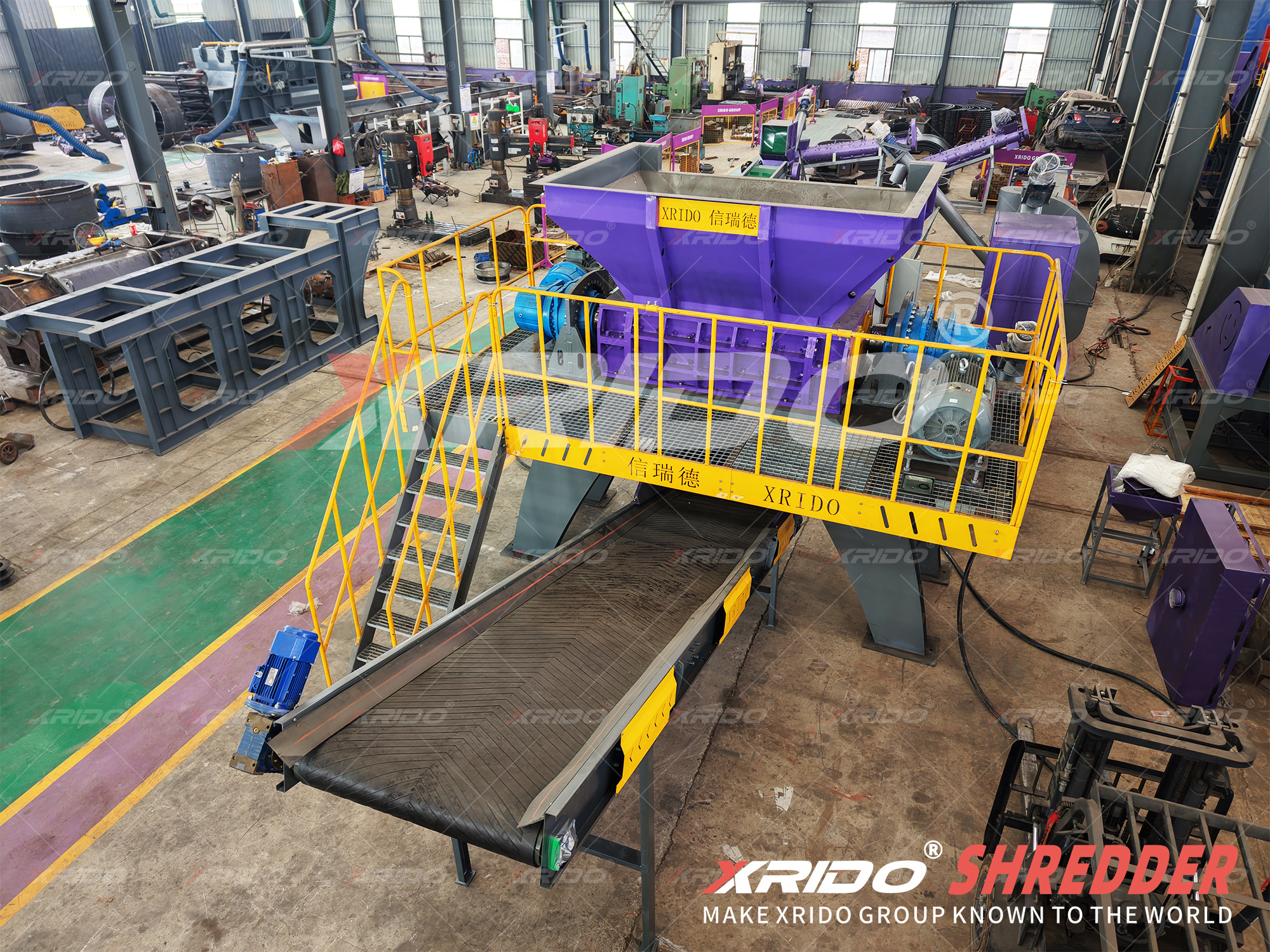
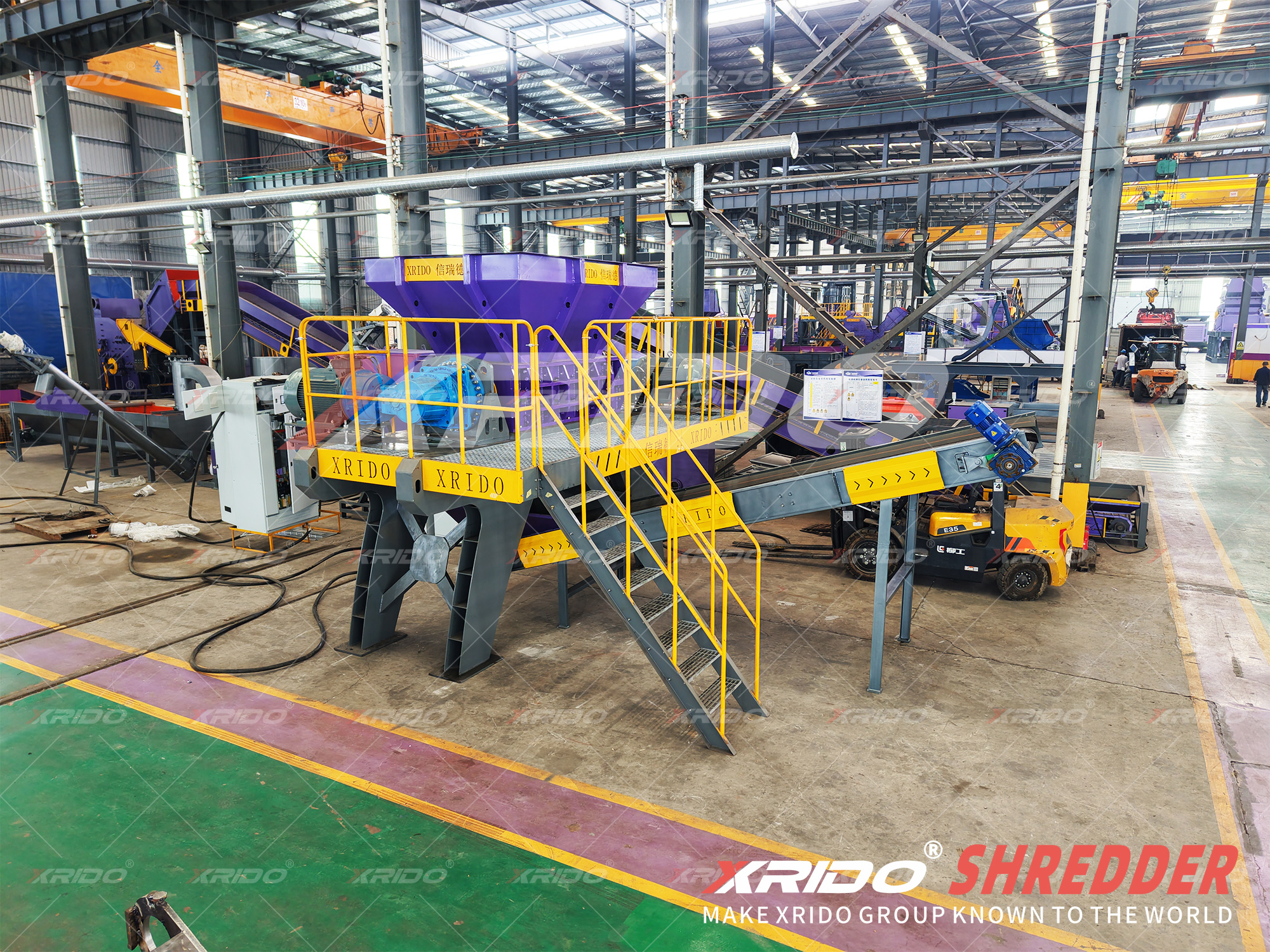
Shredders for aluminum alloy door and window profiles, custom-engineered for the Greek market, are precisely tailored to the characteristics of local thermal break aluminum scrap. Utilizing a heavy-duty dual-shaft shear design, the equipment allows for direct feeding without the need for manual pre-cutting of intact window frames or unsorted profiles of varying lengths. For the aged, deformed, and salt-spray-corroded scrap aluminum frames found in Greece, a high-strength, wear-resistant cutter assembly ensures stable shearing and shredding. It processes large profiles into uniform granules while simultaneously stripping away glass residue, aged sealing strips, and surface grime, thereby reducing material volume and standardizing the feedstock. This effectively resolves issues common to traditional equipment—such as jamming, clogging, and uneven shredding—laying a solid foundation for subsequent precision sorting and making the system ideal for large-scale architectural aluminum recycling operations in Greece.
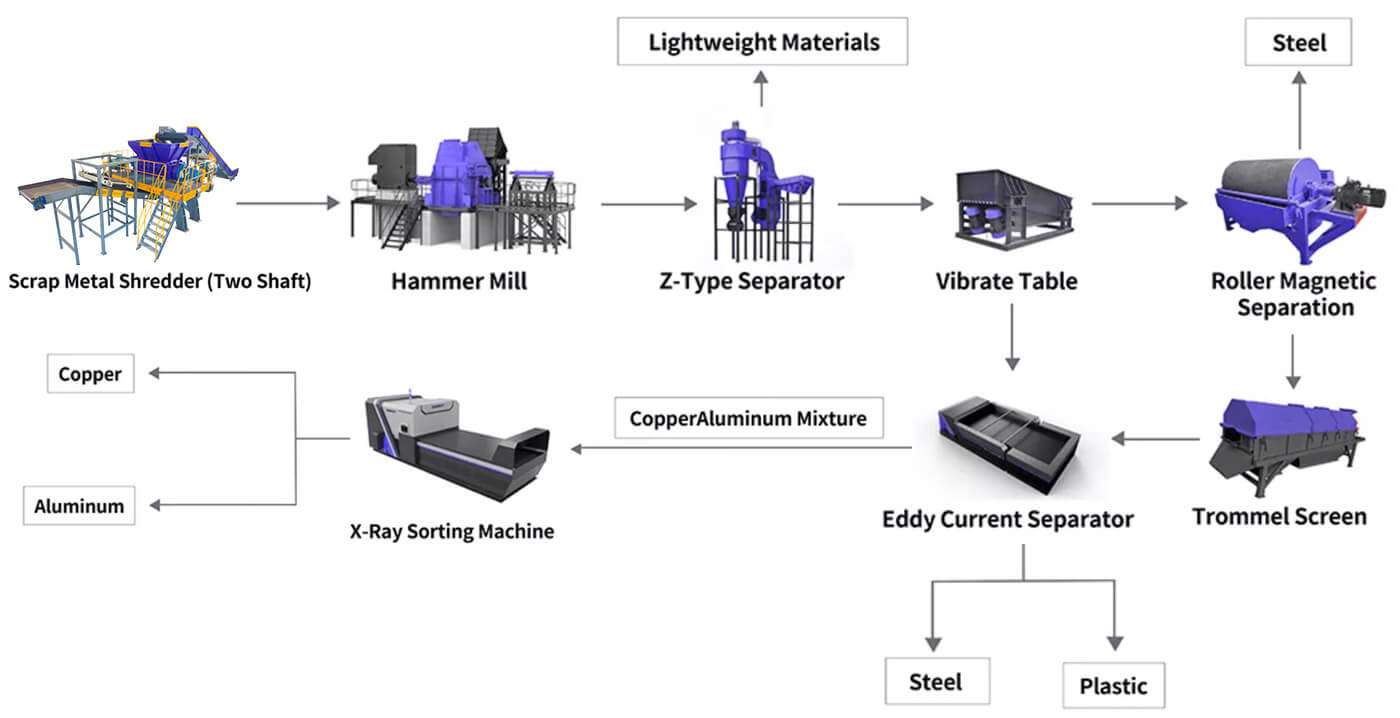
After pre-shredding, the material enters a fully automated scrap metal crushing and sorting line to achieve high-precision aluminum purification. A high-speed crushing system thoroughly removes non-metallic attachments like thermal break strips and surface coatings. Combined with multi-stage processes—including magnetic, air, and eddy-current separation—the system systematically eliminates impurities such as iron, plastic, glass, and rubber, ultimately yielding clean, high-purity aluminum granules. The purified aluminum fully meets the production standards of Greek recycled aluminum enterprises; it can be directly used to manufacture high-end architectural aluminum profiles, enabling a “window-to-window” closed-loop recycling model and eliminating the need to rely on low-value export markets.
As Greece tightens solid waste regulations and the demand for recycled aluminum surges, the market advantages of this recycling system have become increasingly apparent. The equipment operates in a fully enclosed environment with low energy consumption and zero dust pollution, aligning perfectly with EU “dual-carbon” policies and new Greek regulations on construction waste disposal. The automated scrap aluminum crushing sorting line significantly reduces labor requirements while boosting recycling capacity and sorting accuracy. Furthermore, the energy consumption for aluminum recycling is merely 5% of that required for primary aluminum production; this strong green, low-carbon profile helps enterprises secure green recycling certifications and win long-term contracts with major local aluminum plants.
 Greece’s recycled aluminum industry is currently expanding, yet the supply gap for high-quality recycled aluminum feedstock continues to widen. The complete recycling production line, featuring a shredder for scrap aluminum alloy window and door profiles, resolves key challenges faced in Greece—namely, low purity, compliance difficulties, and poor profitability in the recycling of thermal-break aluminum scrap. It serves as essential equipment for local recycling enterprises to deepen their market presence, achieve compliant and profitable operations, and capture the economic benefits of the circular economy.