

Hot Products
How to Choose a Scrap Aluminum Crushing and Recycling Line?
How to Choose a Scrap Aluminum Crushing and Recycling Line? A Practical Guide to Crushing Equipment for Engine Housings and Cast Aluminum Parts.
In the field of resource recycling, recovering cast aluminum materials—such as scrap aluminum, automotive engine housings, and aluminum transmission cases—offers substantial profits. However, the industry has long struggled with challenges such as high impurity levels, uneven material hardness, and difficult dismantling processes. Many recycling enterprises make mistakes when selecting equipment; for instance, using standard shredders to process thick, hard scrap aluminum often results in incomplete material liberation, iron-aluminum contamination, impure output, and low production capacity. In reality, metal Aluminum crushers and pig iron crushers are highly suitable core machines for materials like engine housings and mixed aluminum castings. When integrated into a standardized recycling production line, they enable efficient purification and large-scale processing of scrap aluminum.
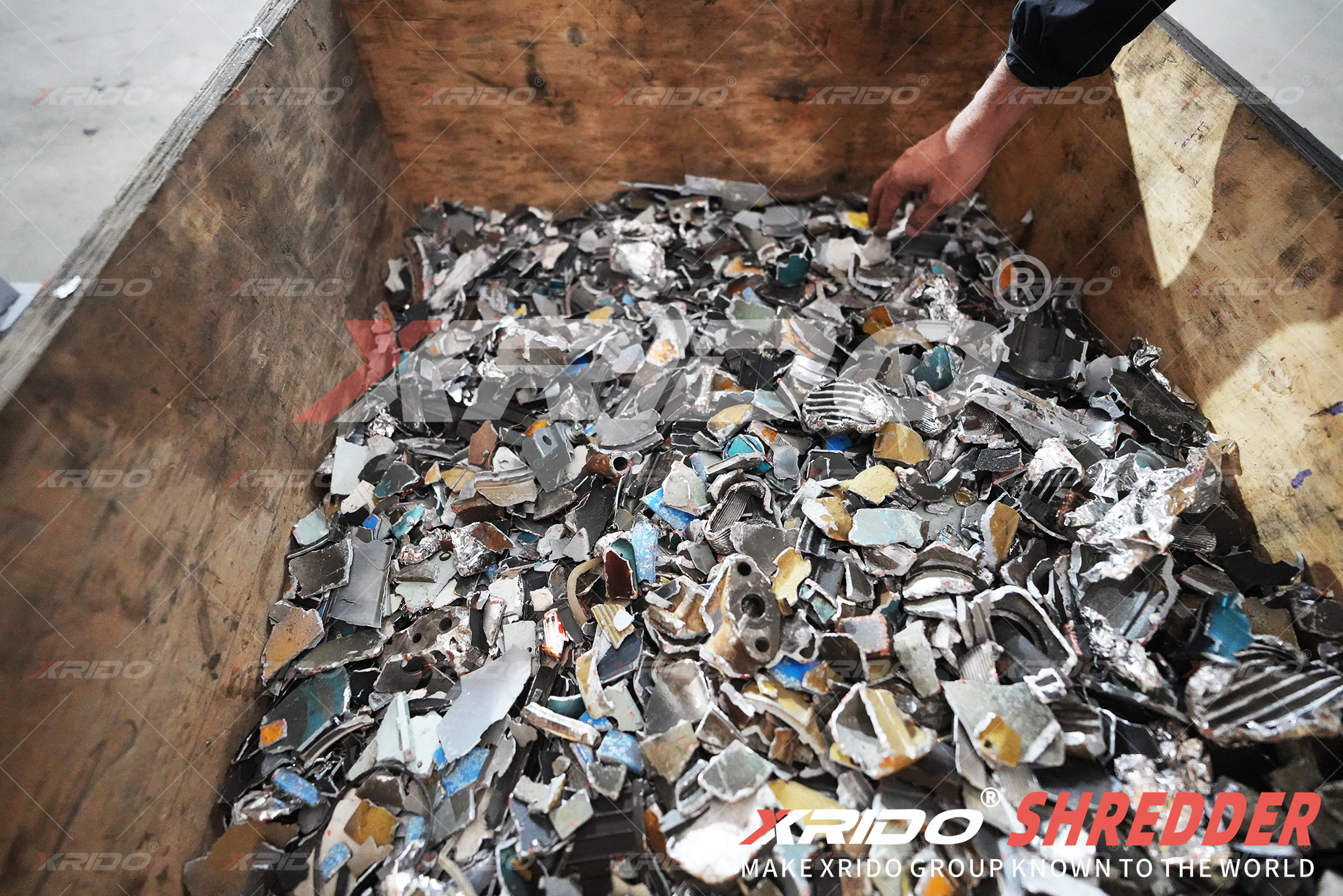
Unlike thin, lightweight scrap aluminum, engine housings and cast aluminum parts are classified as thick, hard “raw” aluminum materials. They feature complex structures with embedded iron screws, cast iron bushings, rubber seals, and plastic components, often accumulating heavy oil residue from long-term use. The key to recycling these materials lies not merely in volume reduction, but in the thorough liberation of impurities. Only by completely separating aluminum from iron and non-metallic impurities can one increase the purity of the recycled aluminum, reduce melting losses, and raise the selling price of the finished product—critical requirements that standard crushing equipment often fails to meet.
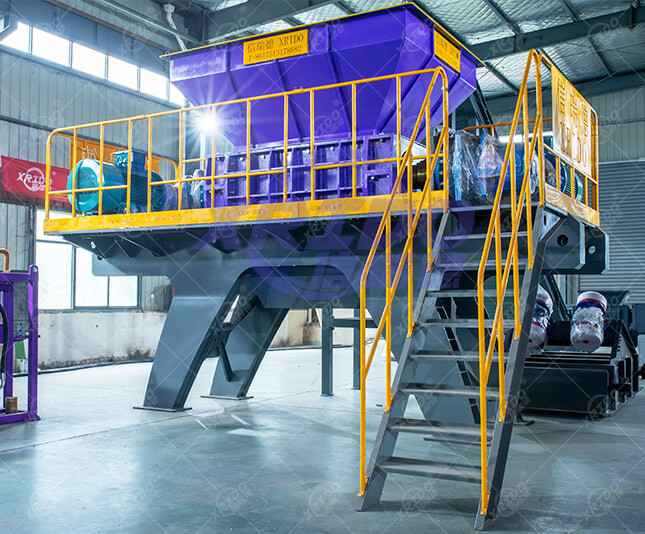
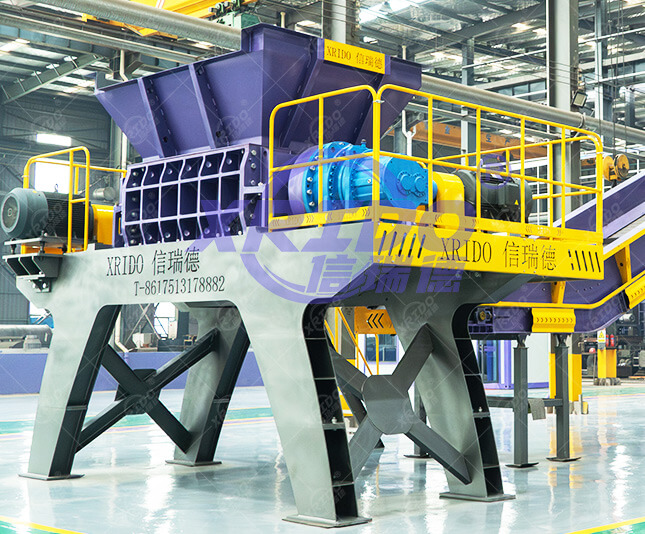
Metal crushers serve as the versatile workhorses of scrap aluminum recycling, suitable for processing a wide range of materials. They deliver stable performance whether handling thin, lightweight “wrought” aluminum—such as thermal-break profiles, offcuts, and beverage cans—or heavy, hard materials like engine housings, aluminum wheels, and cast aluminum parts. Utilizing a heavy-duty hammer crushing principle, the equipment employs high-speed alloy hammers to strike, knead, and impact the material, causing it to collide and tear repeatedly within the crushing chamber. This process effectively breaks large aluminum pieces into uniform granules while forcefully stripping away embedded impurities; the output particle size can be adjusted as needed to meet various smelting and processing standards. As a piece of heavy-duty crushing equipment, the pig iron crusher specializes in processing high-hardness metal materials, demonstrating particular advantages when handling thick, massive engine casings and heavy aluminum castings. Featuring a reinforced body, thickened liners, and high-chrome alloy hammers that offer superior impact and wear resistance, the machine easily handles high-hardness aluminum-iron composite materials. It effectively resolves issues such as jamming caused by bulky parts, incomplete crushing, and excessive wear, while supporting 24-hour continuous operation—making it ideal for mass production in large and medium-sized recycling plants.
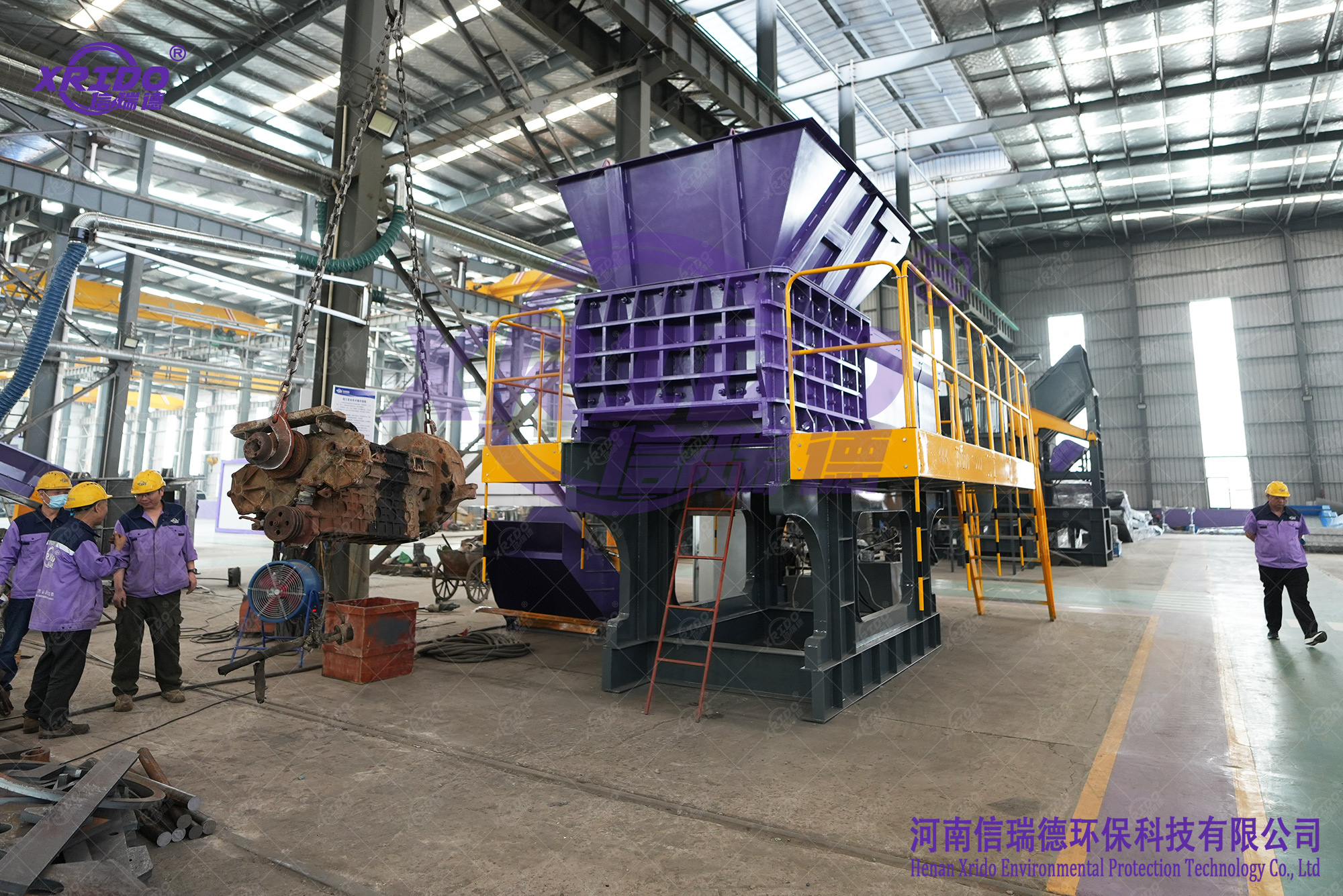
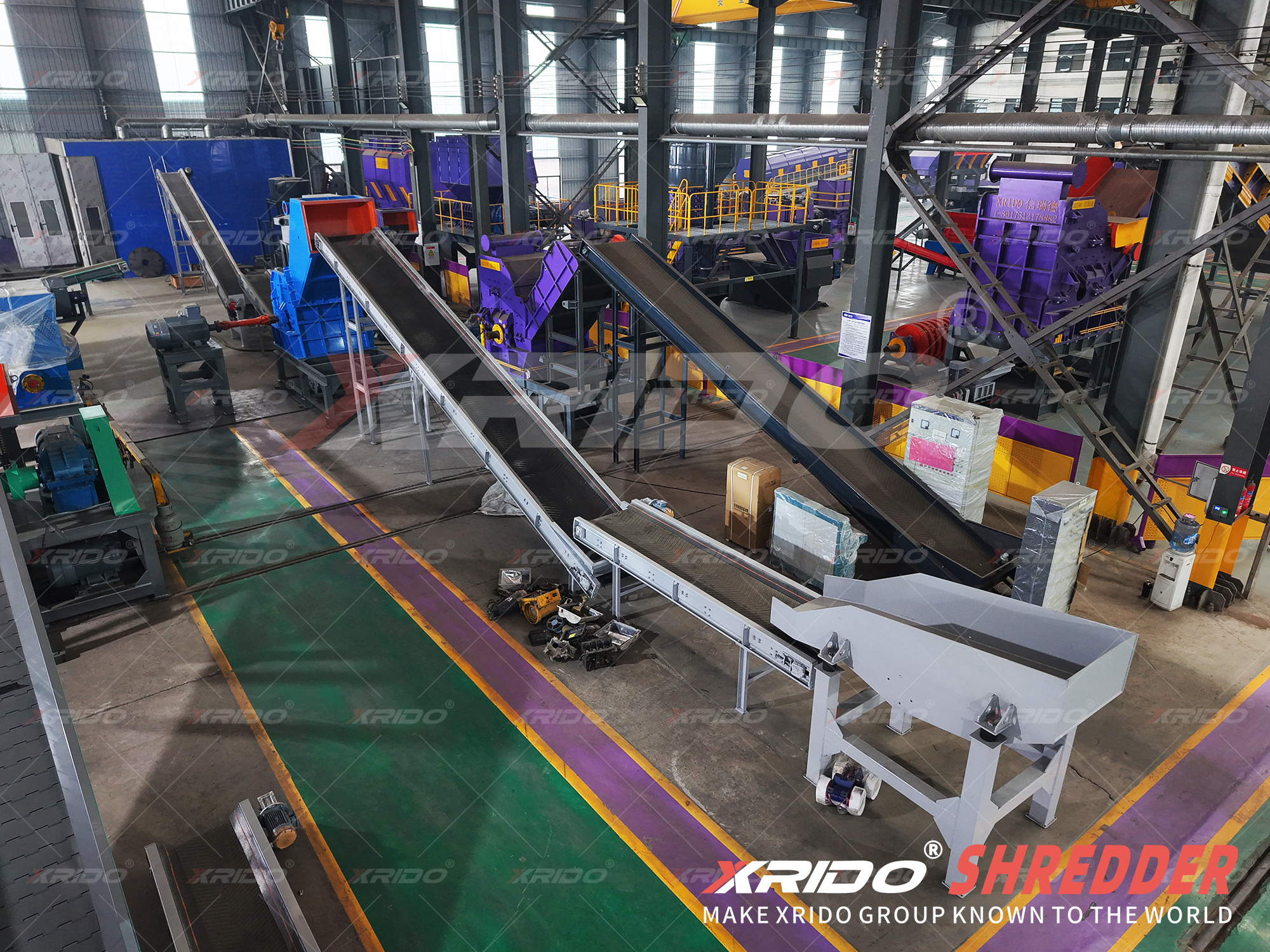
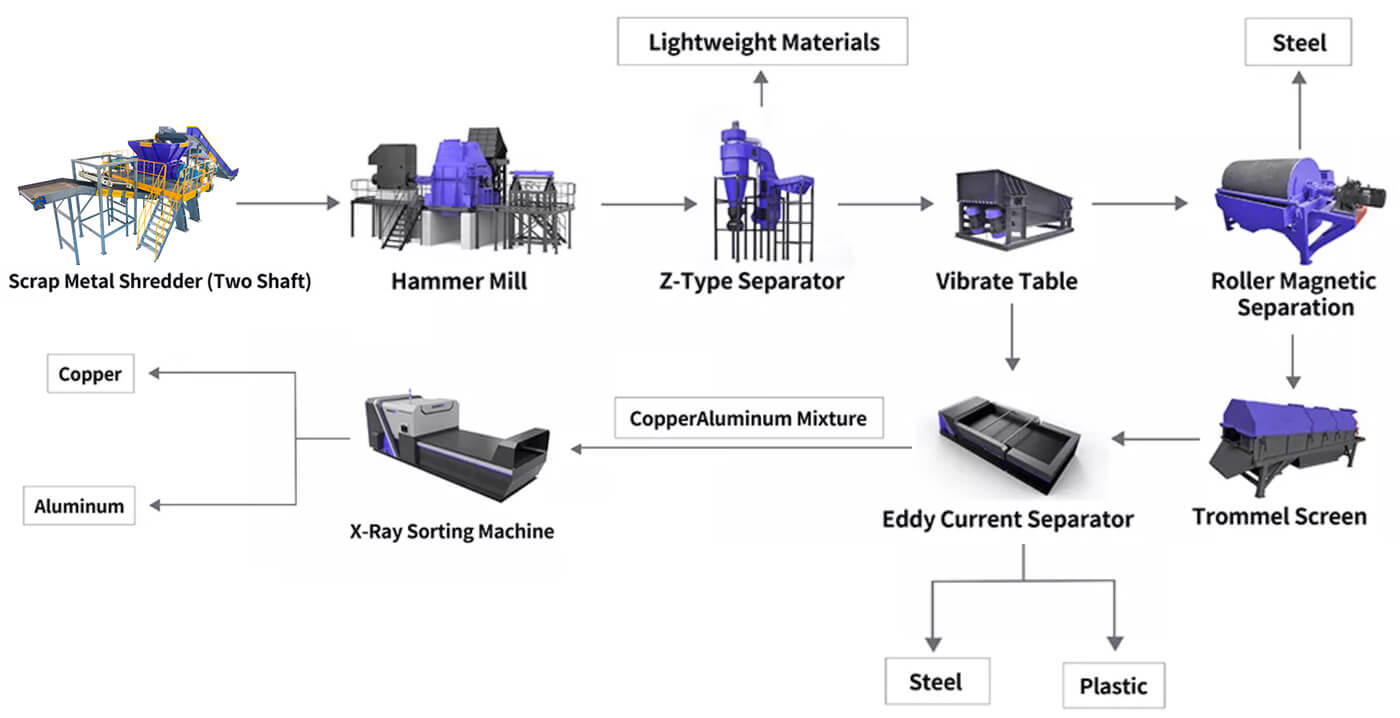
Both models can be integrated into fully automated waste aluminum crushing and recycling lines, perfectly suited for industrial-scale production workflows. The process encompasses stable chain-plate feeding, optional pre-shredding for volume reduction, primary crushing and material liberation, magnetic separation (iron removal), air separation (impurity removal), eddy current fine sorting, screening/grading, and final product baling. Impurities are filtered out at every stage, significantly enhancing aluminum purity. The entire line operates within an enclosed system equipped with a pulse dust collection unit, effectively controlling dust pollution and fully complying with environmental production standards.
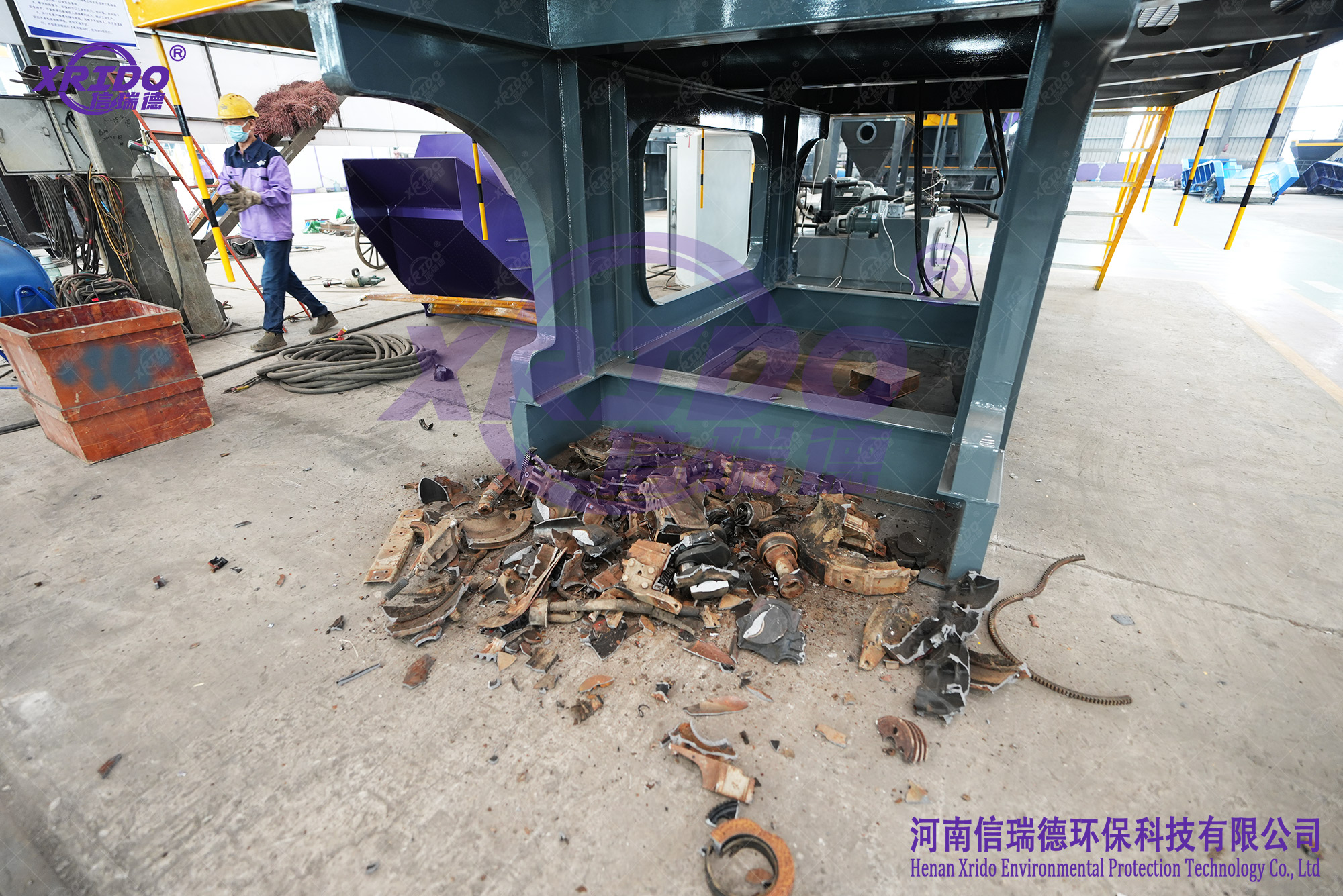
Once implemented, the production line not only thoroughly resolves issues related to mixed impurities in waste aluminum but also significantly increases material bulk density, thereby saving on transportation and storage costs. The resulting high-purity aluminum granules ensure greater stability during furnace smelting, effectively shortening smelting cycles, reducing slag generation, and lowering energy consumption, ultimately boosting enterprise profitability.
In summary, both metal crushers and pig iron crushers represent highly cost-effective choices for processing materials such as waste aluminum and automotive engine casings. Recycling enterprises can flexibly select equipment based on material thickness, production capacity, and budget. By integrating these machines with automated sorting lines, they can achieve efficient resource utilization of waste aluminum, thereby fostering the green and efficient development of the recycled aluminum industry.