

Hot Products
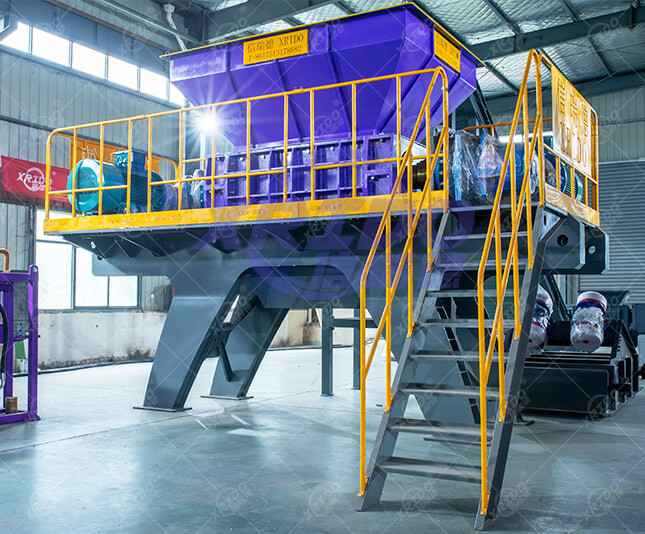
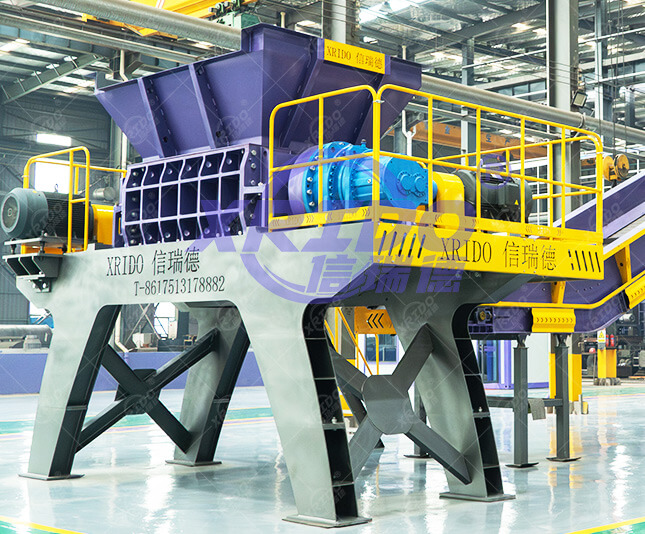
Scrap Aluminum and Engine Casings Crusher
How should scrap aluminum engine casings be handled? Achieve efficient shredding and sorting with a metal crusher.
In the automotive dismantling and scrap metal recycling industries, scrap aluminum engine casings are among the most common and high-value waste materials. Typically made of cast aluminum, these casings are characterized by high toughness and hardness; after long-term use, they are often covered in oil, rust, plastic components, and ferrous fasteners, all within a compact and complex structure. Many recycling companies still rely on traditional processing methods—such as manual dismantling, basic shredding, or incineration—to remove impurities. These approaches are not only labor-intensive and costly, but they also frequently lead to aluminum loss and incomplete impurity removal, which severely compromises the quality of the recycled aluminum and, consequently, its market value. Therefore, employing a specialized metal crusher is the optimal solution for the refined recycling of scrap aluminum and engine casings.
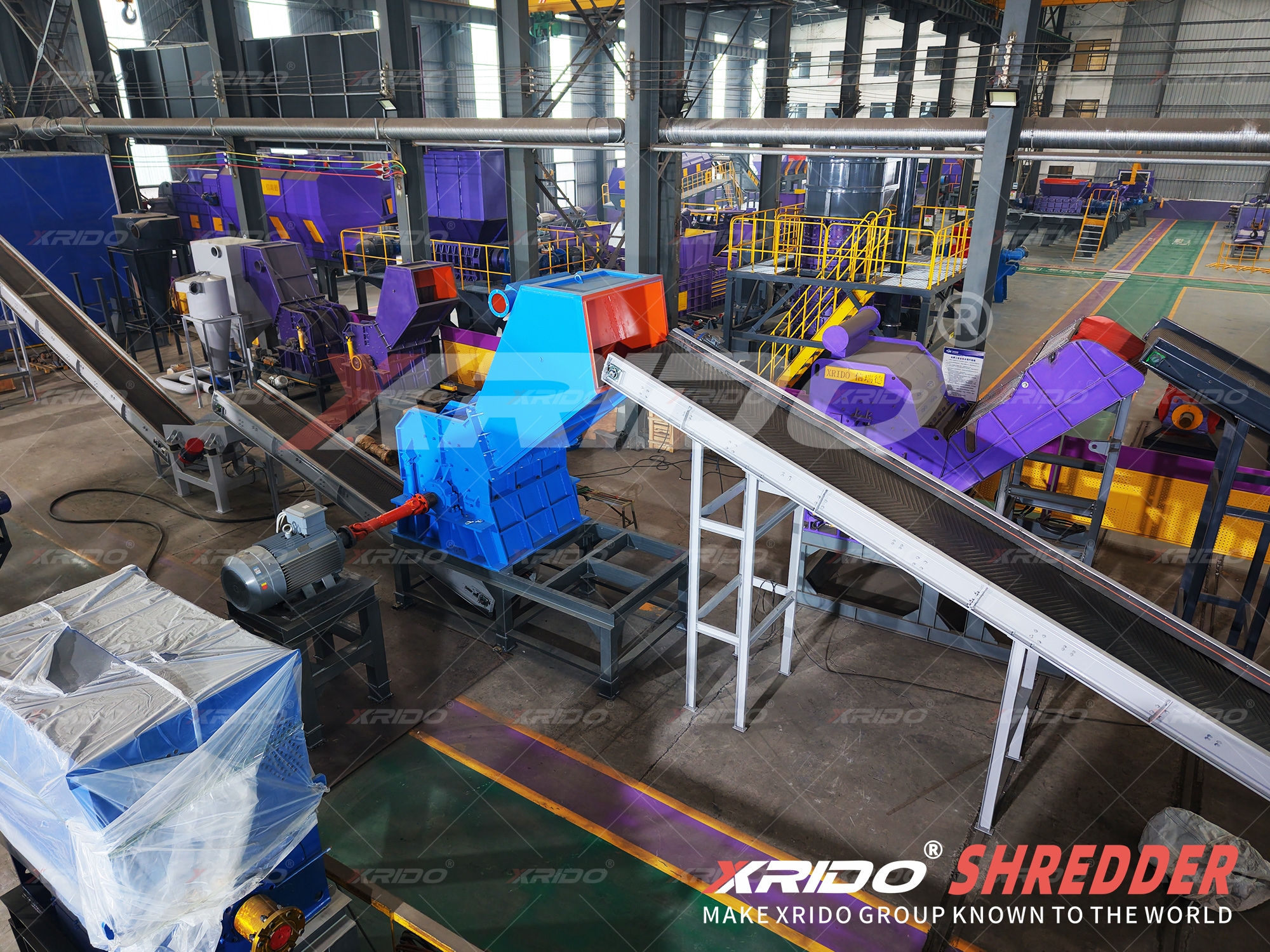
Recyclers often face the same set of challenges: intact engine casings are bulky and difficult to store, yet fetch very low prices when sold as-is. Manual removal of internal ferrous parts and rubber components is time-consuming, labor-intensive, and yields very low throughput. Furthermore, standard shredders often jam or stall when processing cast aluminum, producing unevenly sized fragments with significant aluminum-iron contamination—failing to meet the standards required for smelting and recycling. The root cause of these issues is that conventional equipment is ill-suited to the physical properties of cast aluminum and cannot integrate the processes of shredding, material liberation, and impurity removal. In contrast, specialized scrap aluminum crushers are engineered specifically for heavy-duty materials like engine casings, industrial aluminum scrap, and aluminum castings, effectively overcoming the drawbacks of traditional processing methods.
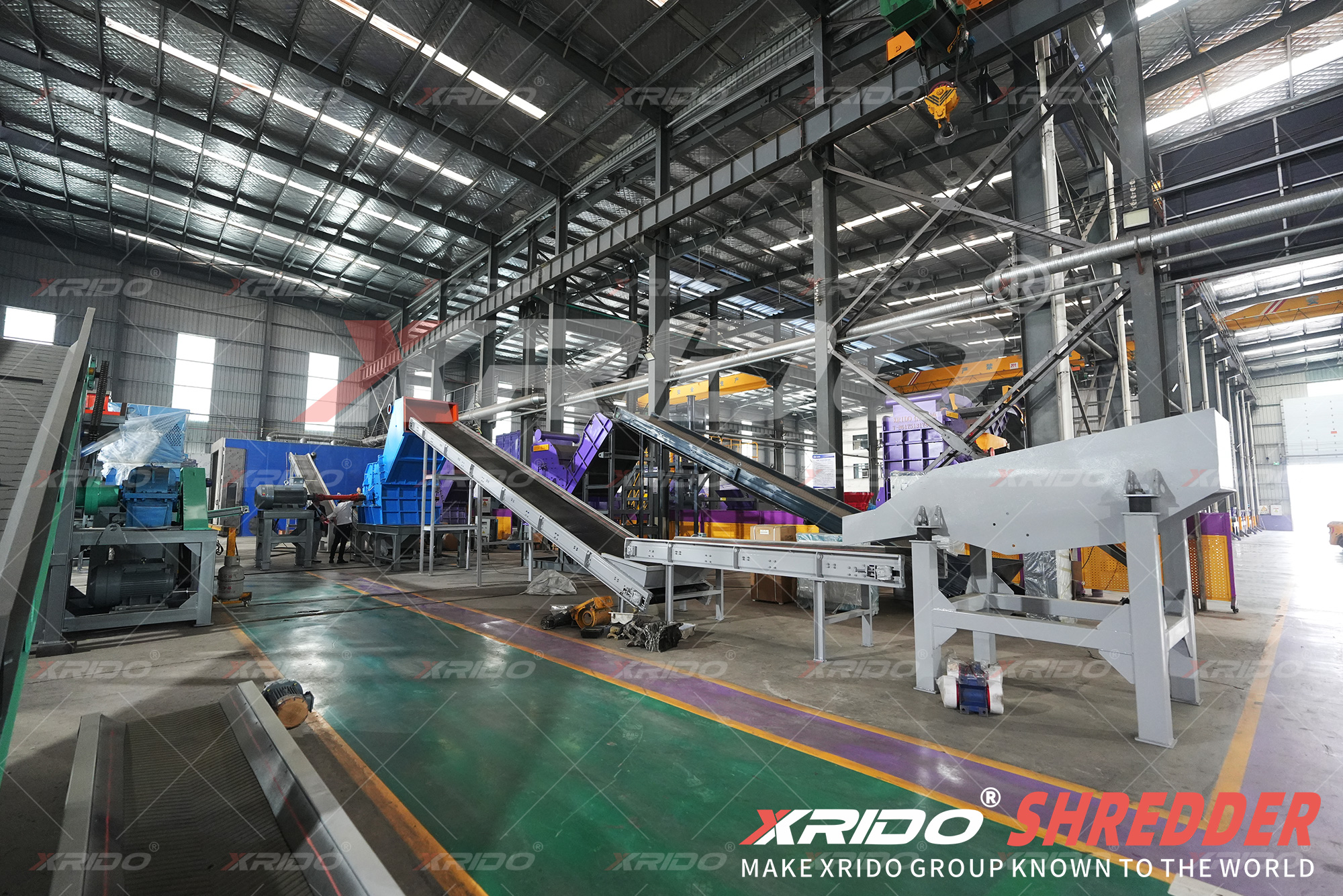
The core advantage of using a metal crusher for scrap aluminum and engine casings lies in its integrated shredding and sorting process. Equipped with a heavy-duty rotor and highly wear-resistant hammers, the machine utilizes a combination of powerful impact, compression, and shearing forces to rapidly break down and liberate materials from entire automotive engine casings and other aluminum scrap components. Whether dealing with robust cast-aluminum housings, embedded screws, iron fasteners, or contaminants like oil and debris, the shredding process effectively strips and separates these components, fundamentally resolving issues related to aluminum-iron mixtures and residual impurities. The equipment also allows for adjustable output particle size, enabling customization to meet specific processing requirements and industry standards for recycled aluminum smelting and downstream manufacturing.
In practical production, the metal crusher’s intelligent and automated features truly stand out. Equipped with an intelligent anti-jamming system, the machine can automatically adjust the feed—advancing or retracting—when encountering large, heavy engine housings. This prevents equipment downtime and ensures the continuous operation of the production line. The system is designed for simplicity; a single operator can manage startup, shutdown, and adjustments, significantly reducing labor requirements and operational safety risks. When paired with magnetic separation equipment, the system can automatically sort shredded materials, precisely separating aluminum, iron, and other debris. This achieves a high level of purity, greatly enhancing both the quality and market value of the recycled aluminum.
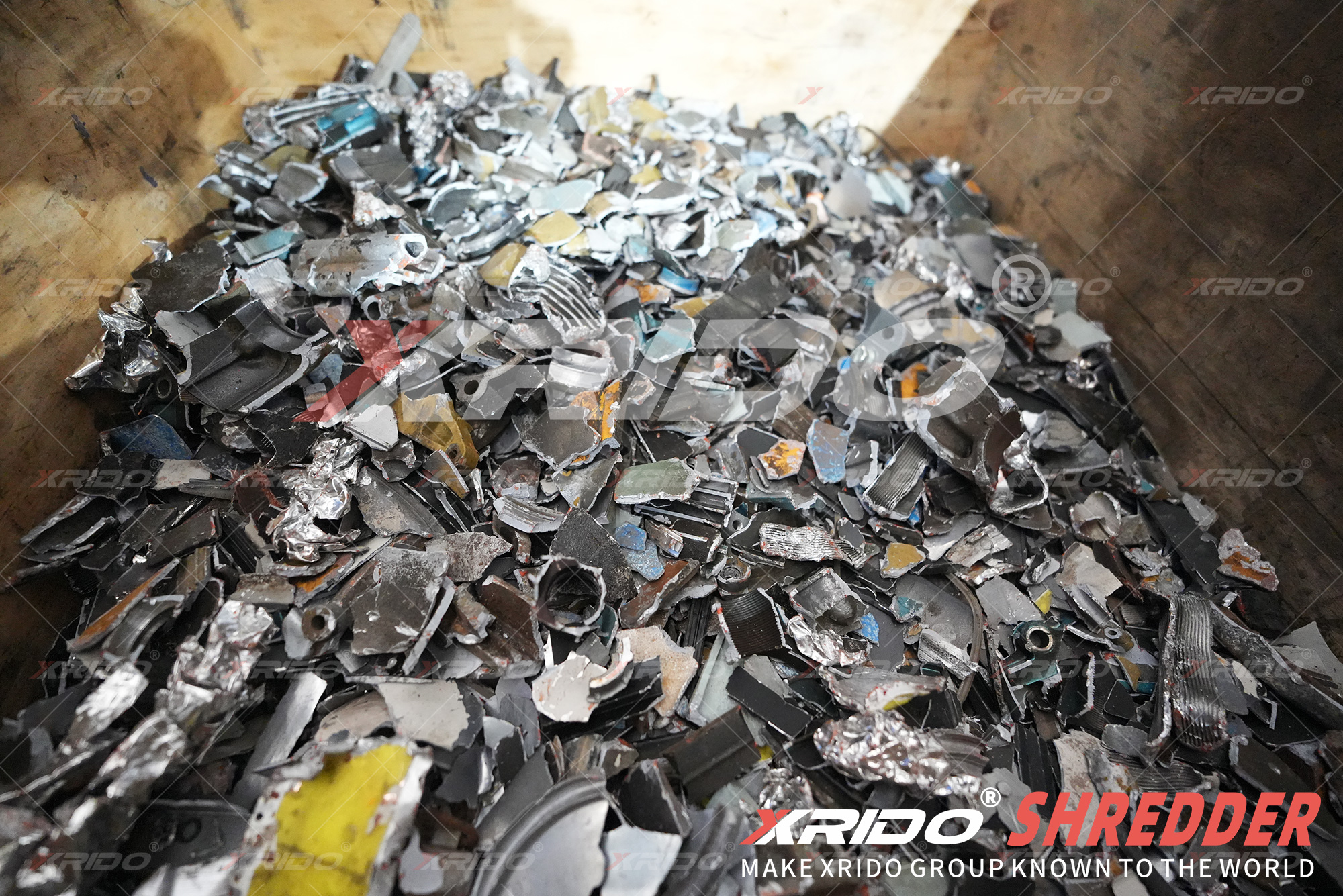
From the perspectives of economic efficiency and environmental protection, using a aluminum scrap crusher to process scrap aluminum engine housings offers clear advantages. Traditional processing methods often result in high material loss, wasting valuable aluminum resources; in contrast, professional shredding equipment maximizes material recovery rates and minimizes waste. Furthermore, the enclosed shredding process effectively contains dust and oil contamination, ensuring compliance with environmental standards and supporting lawful, eco-friendly operations for recycling enterprises. The resulting high-purity aluminum granules are uniform in quality and virtually free of impurities, allowing them to be fed directly into smelting furnaces. This significantly boosts the value-added potential of the material, generating greater economic returns for the business.
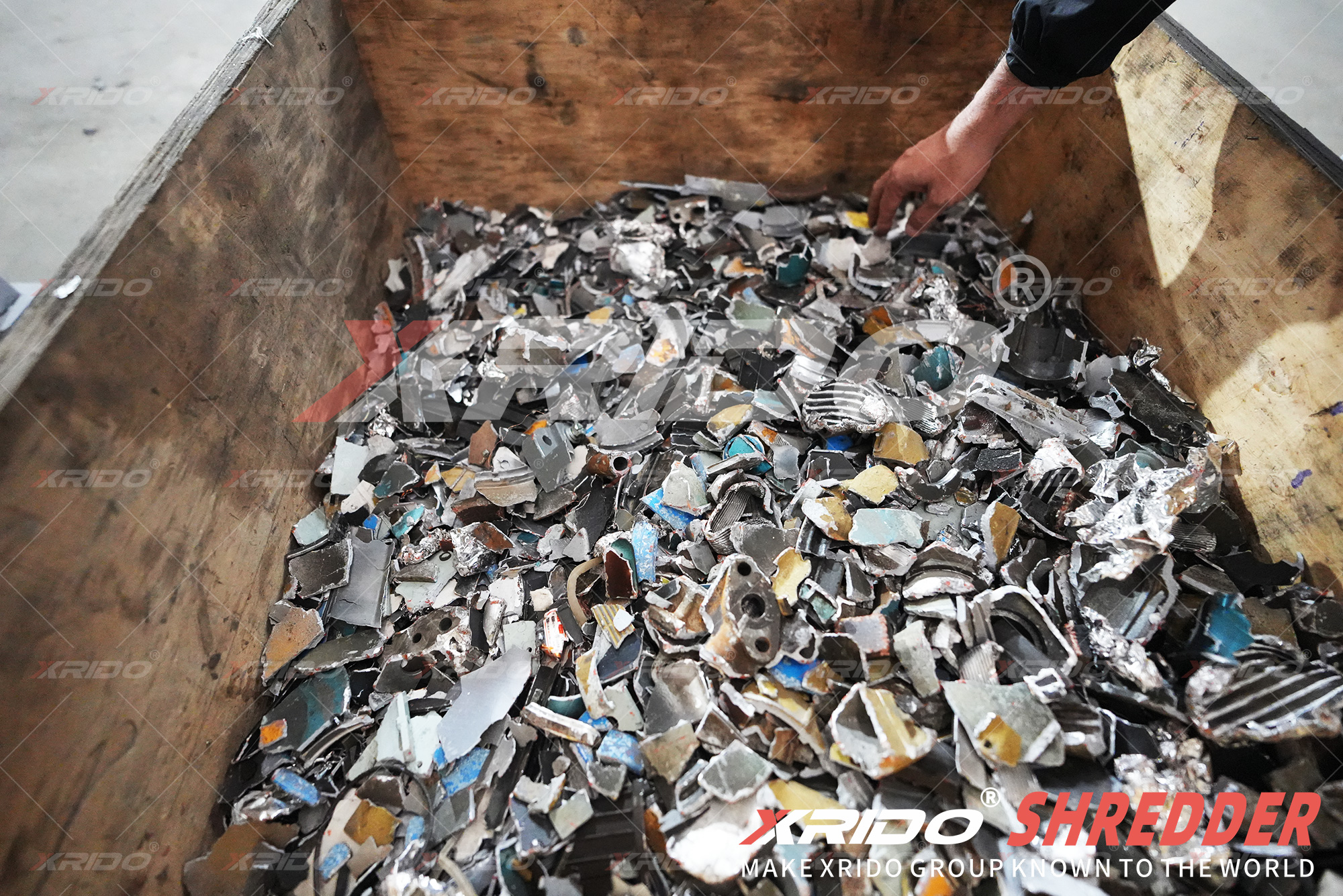
As the recycled resources industry becomes increasingly standardized, crude and inefficient methods for handling scrap materials are being phased out by the market. With its high-efficiency shredding, precise sorting, energy-saving, eco-friendly, and durable design, the metal crusher is perfectly suited for the recovery and processing of scrap aluminum and engine housings. It has become an essential asset for automotive dismantling facilities and scrap metal recyclers looking to increase production capacity, improve product quality, and boost revenue—serving as a key driver for the circular economy and the development of sustainable, green aluminum recycling.