

Hot Products
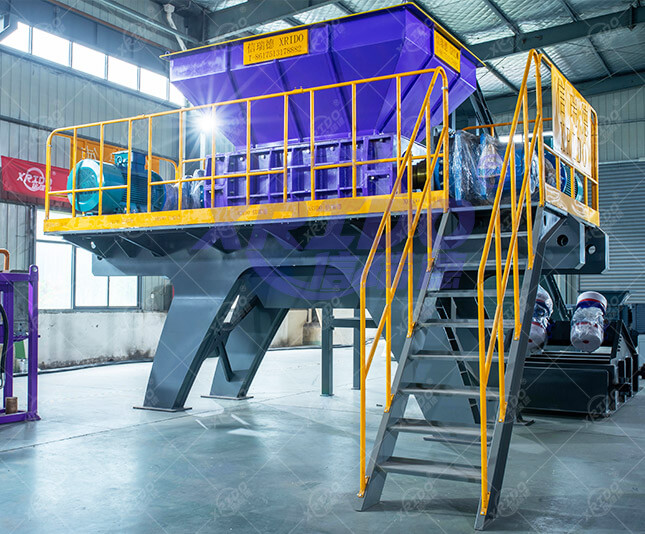
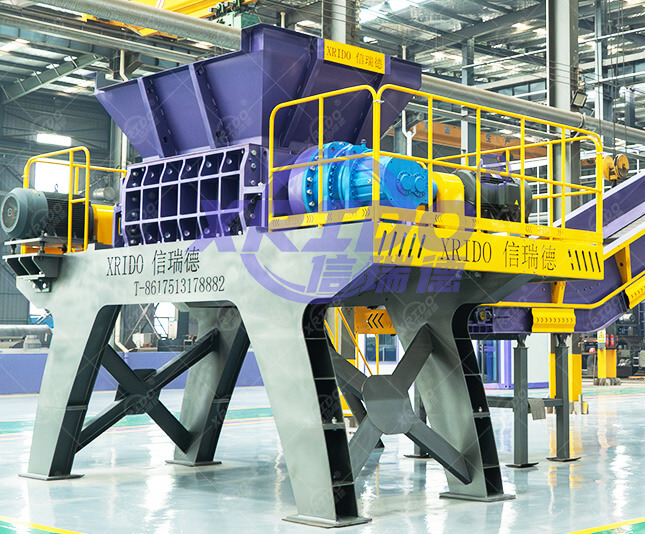
Solid Waste Shredder for Industrial Waste Recycling
Solid Waste Shredders for Industrial Waste Recycling: A Breakthrough Tool for Industrial Solid Waste Resource Utilization
In industrial production, the generation of solid waste, including metal scraps, plastic waste, rubber products, composite materials, and mixed industrial waste, is enormous. These wastes are complex in composition, vary in hardness, and often contain sharp impurities. Traditional crushing equipment is prone to problems such as rapid blade wear, entanglement and blockage, and low processing efficiency. Solid waste shredders, specifically designed for industrial waste recycling, have become key equipment for the resource utilization of industrial solid waste through structural innovation and functional enhancement.
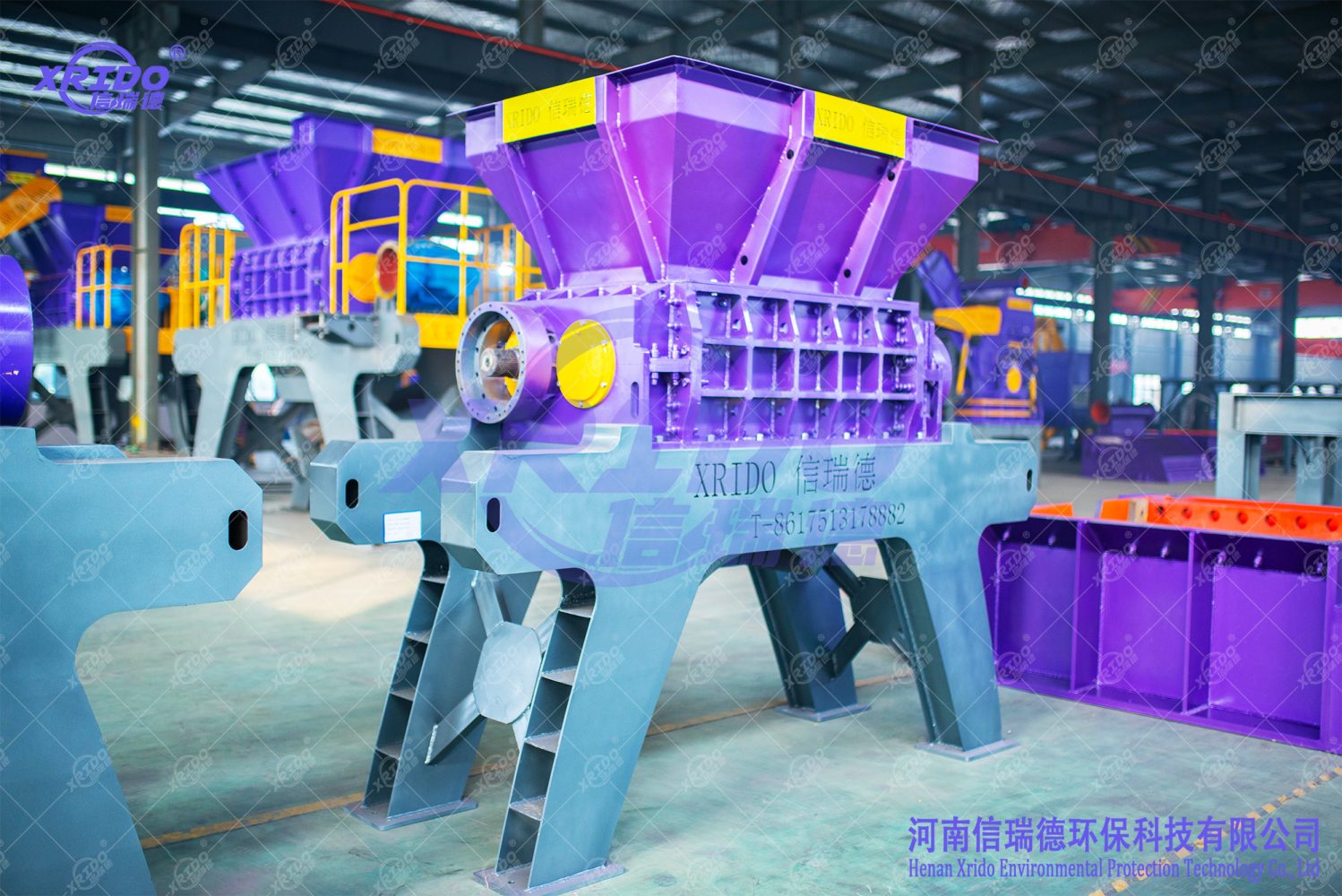
I. Targeted Design to Solve Industrial Solid Waste Treatment Challenges
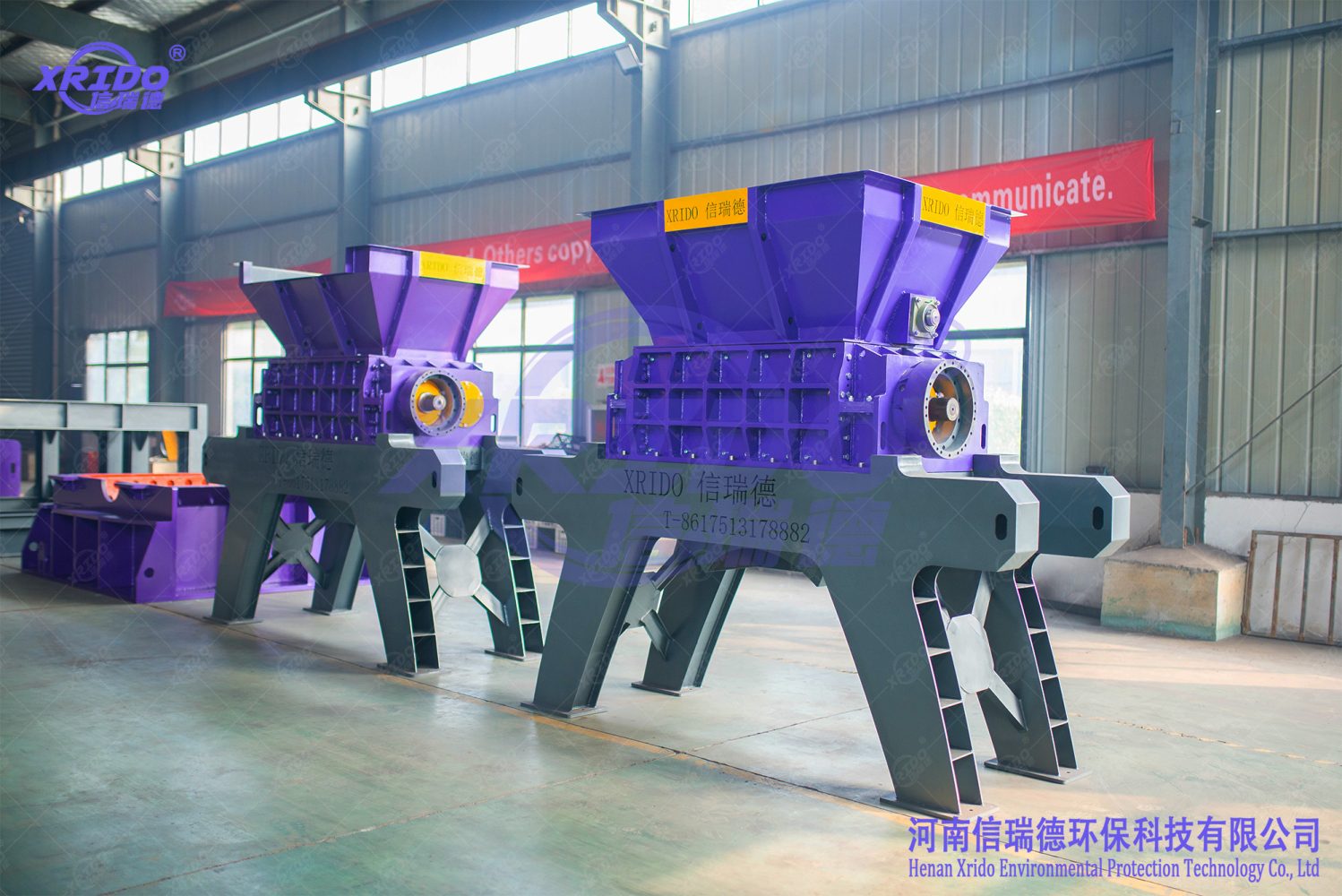
The diversity of industrial waste places extremely high demands on shredders—metal waste (such as stainless steel and aluminum alloy scraps) is hard and may contain sharp burrs; plastic/rubber waste (such as waste tires and plastic pipes) is tough and easily entangled; and composite materials (such as fiberglass and carbon fiber sheets) have a composite structure combining fibers and a matrix. The specialized shredder employs a dual-shaft shearing or quadri-shaft tearing core structure (selected based on material characteristics). The cutter roller diameter is 500-1000mm, equipped with high-wear-resistant alloy blades (materials include CrMoV, SKD11, or tungsten steel, hardness HRC58-62, with some surfaces overlaid with tungsten carbide or sprayed with a ceramic coating), capable of withstanding high-intensity impacts and friction (impact toughness increased by more than 3 times). For easily entangled materials (such as tires and plastic films), the equipment integrates an anti-entanglement guide plate and an intermittent cutter roller gap design (adjustable from 10-30mm). Through the staggered arrangement of blades, a combined shearing and compressive force is generated, directly crushing large-volume solid waste (such as machine tool scraps and ton bags of plastic) into uniform blocks of 50-200mm. Some models are also equipped with a pre-crushing module (such as a single-shaft coarse crusher) to first break down large metal or composite materials into processable sizes, reducing the load on the main shredder.
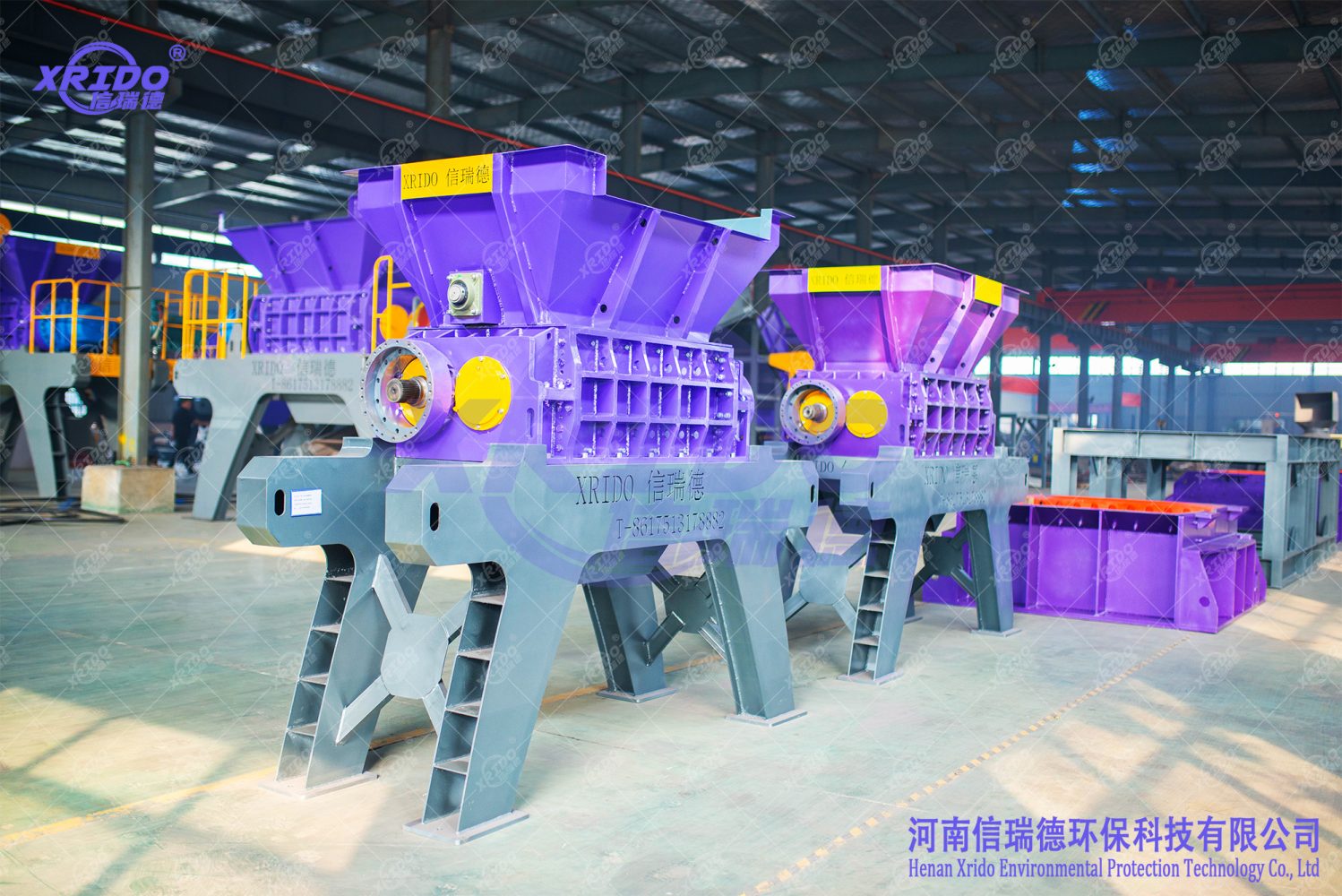
II. High-Efficiency Processing and Sorting Synergy
This shredder has a processing capacity ranging from 1 to 10 tons/hour (depending on the model), and can continuously process mixed industrial solid waste (including metals, plastics, rubber, etc.). During the crushing process, it integrates a magnetic separator (to remove ferromagnetic metals), an eddy current separator (to separate non-ferrous metals such as aluminum), and an air classifier (to separate lightweight fibers), ensuring that the purity of subsequently recovered metals is >95% and the purity of plastics/rubber is >90%. The blades are made of hard alloy through welding or surface hardening treatment, with wear resistance 5-8 times that of ordinary steel. Combined with a water cooling system (reducing the blade roller temperature to below 80℃), its lifespan can reach 3-5 times that of ordinary equipment. Key components (bearings, seals) are made of stainless steel or have a dustproof design, adapting to the corrosion of oil and dust in industrial environments.
III. Resource Utilization Value and Environmental Benefits
Industrial solid waste processed by the shredder can yield the following benefits: metal scrap can be directly sent to smelters for recycling (reducing smelting energy consumption); plastic/rubber blocks can be further granulated and recycled or made into RDF fuel (calorific value 18-25 MJ/kg, replacing coal); composite material fragments can be used as building material fillers or in the preparation of special materials. Taking a machinery processing plant as an example, its daily processing capacity of 5 tons of mixed metal and plastic waste is achieved through this shredder. The metal recovery rate exceeds 92%, the purity of recycled plastic granules is >98%, the overall resource utilization rate exceeds 85%, and annual raw material cost savings exceed 2 million yuan. Simultaneously, the equipment’s dust emissions are <10mg/m³, and noise is <85dB, meeting environmental standards.
The industrial waste shredder, through its “precise crushing – efficient sorting – multi-path recycling” technical chain, not only solves the pain points of “difficult treatment and low recycling rate” of industrial solid waste, but also promotes the transformation of industrial production towards “green manufacturing + circular economy.”