

Hot Products
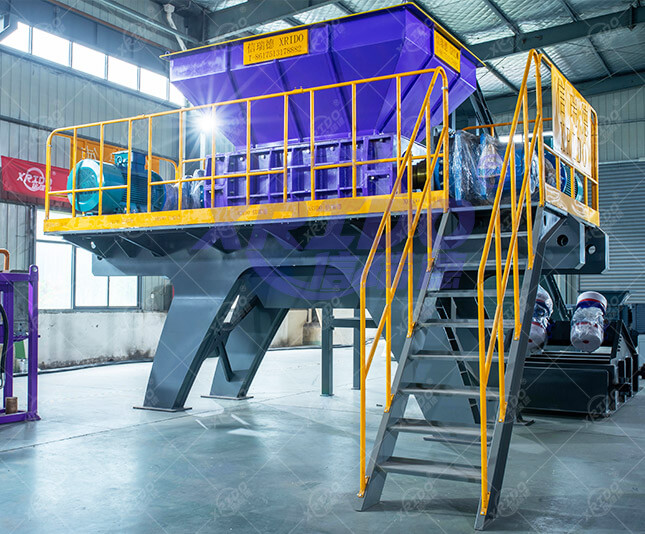
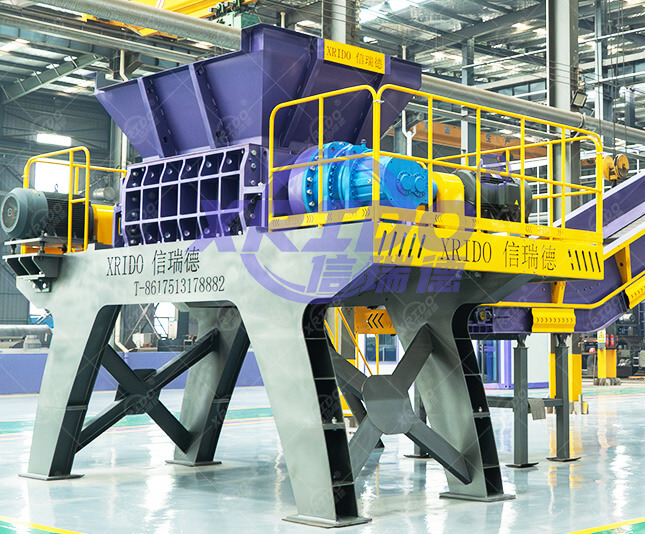
Solid Waste Shredder for MSW to RDF Recycling
Municipal Solid Waste Shredder: Core Pre-treatment Equipment for RDF Recycling Projects
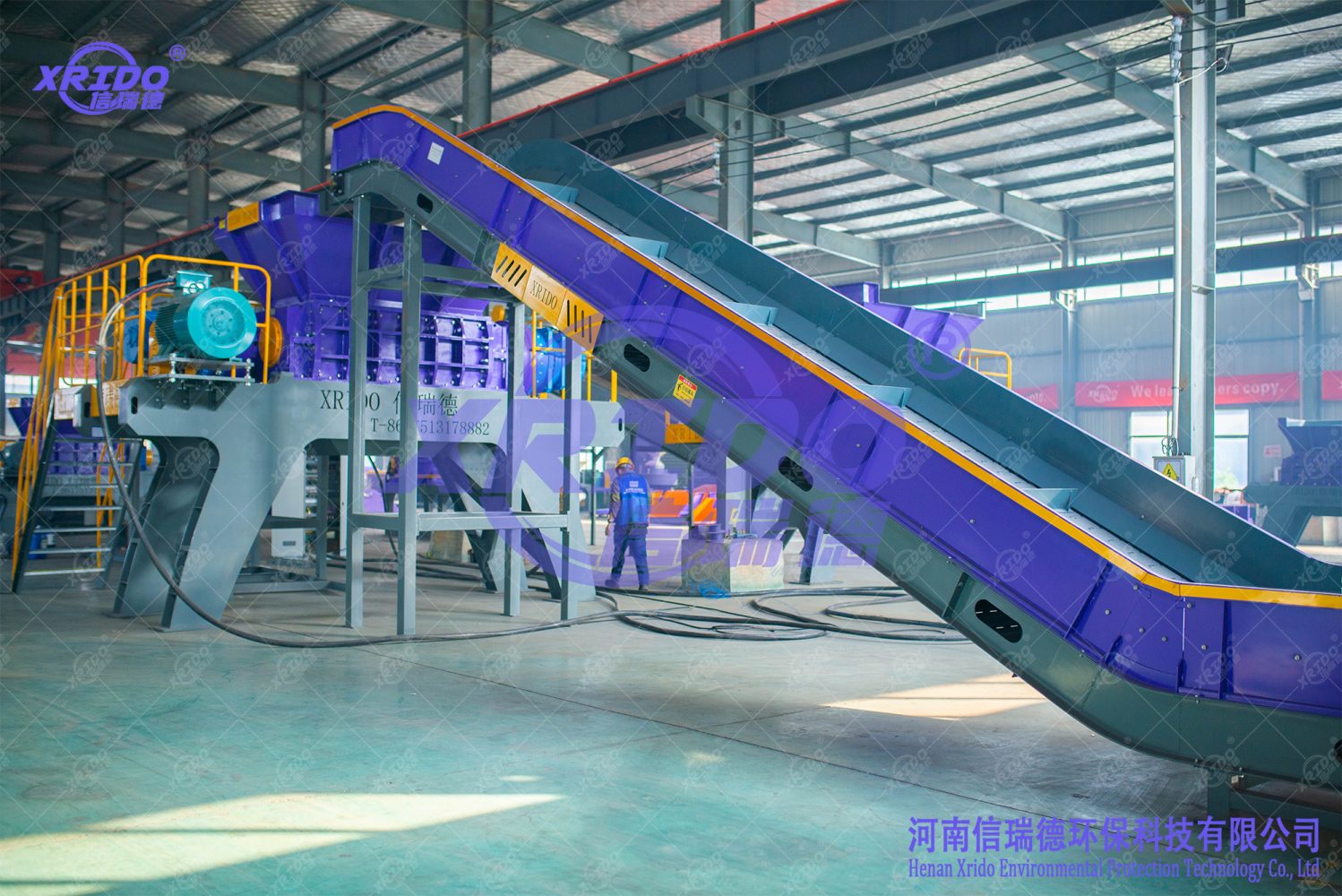
In municipal solid waste (MSW) resource utilization projects, converting mixed waste into waste-derived fuel (RDF) is a key path to achieving “reduction, harmlessness, and energy recovery.” As the core equipment for front-end pre-treatment, the municipal solid waste shredder lays the foundation for high-quality RDF production through efficient crushing and homogenization.
I. Crushing Design Adapted to Complex Components
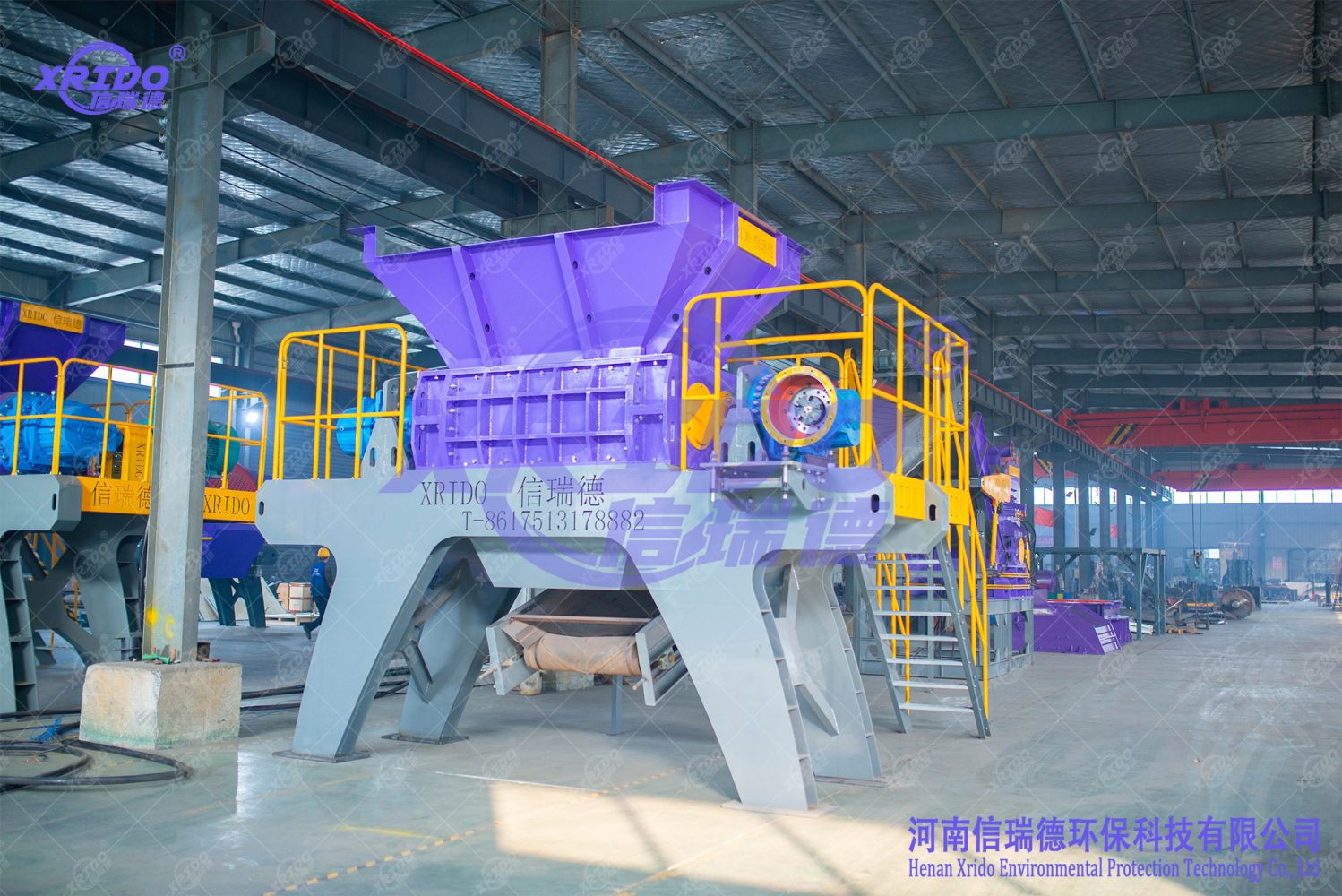
Municipal solid waste has a complex composition, including kitchen waste, plastics, paper, textiles, metals, and inorganic materials. It also contains bulky waste (such as furniture and cardboard boxes), high-toughness plastics (such as films and woven bags), and easily tangled materials (such as clothing). This specialized household waste shredder employs a dual-shaft shearing structure with a cutter roller diameter of 600-1000mm. Equipped with high-wear-resistant alloy blades (hardness HRC58-62, surface overlaid with tungsten carbide), the staggered blades generate powerful shearing force, directly shredding large-volume waste (such as sofas and plastic pipes) into uniform blocks of 50-150mm. For easily tangled soft materials (such as plastic bags and fabrics), the equipment integrates an anti-tangling guide plate and an intermittent cutter roller gap design (adjustable 10-20mm) to prevent material from tangling and jamming during the shredding process. Some models are equipped with a pre-compression feeding device, which compacts loose waste through rollers, improving feeding stability and shredding efficiency. Simultaneously, the cutter roller speed is controlled at 80-150rpm (low-speed operation) to reduce dust generation and minimize impact wear on the blades.
II. Key Supports for RDF Preparation
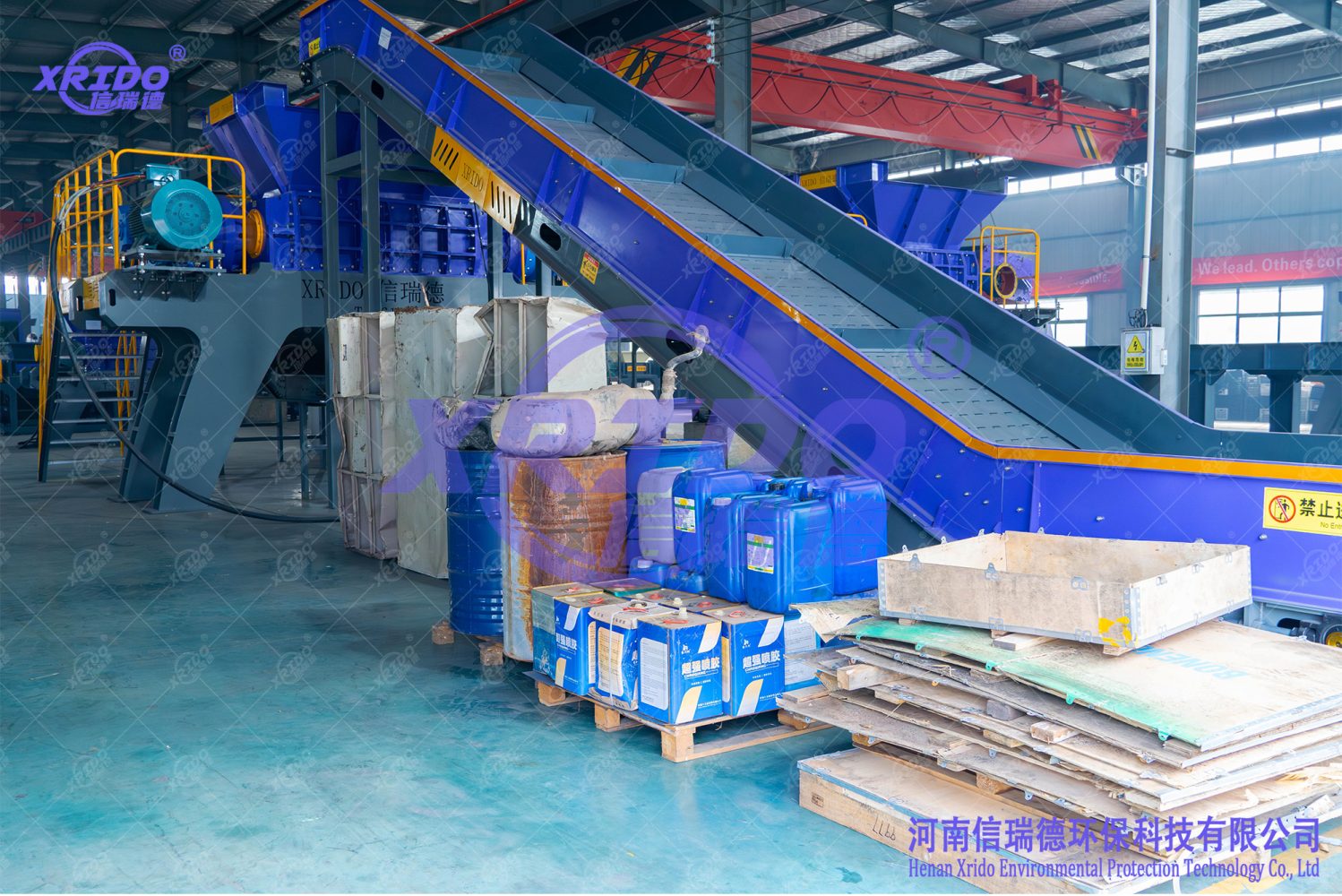
The mixed waste processed by the shredder needs further sorting and forming to become qualified RDF: First, it passes through a magnetic separator (to remove ferromagnetic metals) and an eddy current separator (to separate non-ferrous metals such as aluminum), followed by air or gravity separation to remove large inorganic materials (such as bricks and stones); the remaining combustible components (plastics, paper, textiles, etc., accounting for about 40%-60%) are dried in a drum dryer to reduce the moisture content to below 15%, and finally, it is compressed into RDF fuel rods (or 8-30mm pellets) with a diameter of 30-50mm using a compression molding machine (or directly in pellet form). The uniform block size (50-150mm) produced by the shredder is a crucial prerequisite for subsequent sorting and purification—too large a size will cause clogging of the sorting equipment, while too small a size will increase dust and reduce fuel forming density. Practical verification has shown that this shredder can improve the feed uniformity of RDF production lines by 40%, and stabilize the calorific value of fuel rods at 16-20 MJ/kg (close to 50% of standard coal), meeting the combustion requirements of industrial applications such as cement kilns and fluidized bed boilers.
III. Environmental and Economic Value
This shredder adopts a modular design, which can be flexibly configured according to the waste processing volume (5-30 tons/hour), and integrates a dust removal system (pulse bag filter, dust emission <10mg/m³) and noise reduction measures (soundproof enclosure, noise <85dB). In RDF recycling projects, for every 100 tons of municipal solid waste processed, 25-35 tons of RDF can be produced (replacing approximately 8-12 tons of standard coal), with a volume reduction rate exceeding 60% and carbon emissions reduced by more than 50%. From “mixed waste” to “high-value fuel,” the municipal solid waste shredder, through precise crushing and homogenization, becomes the “first hurdle” in RDF recycling projects, promoting the transformation of urban solid waste from “landfill incineration” to “energy regeneration.”